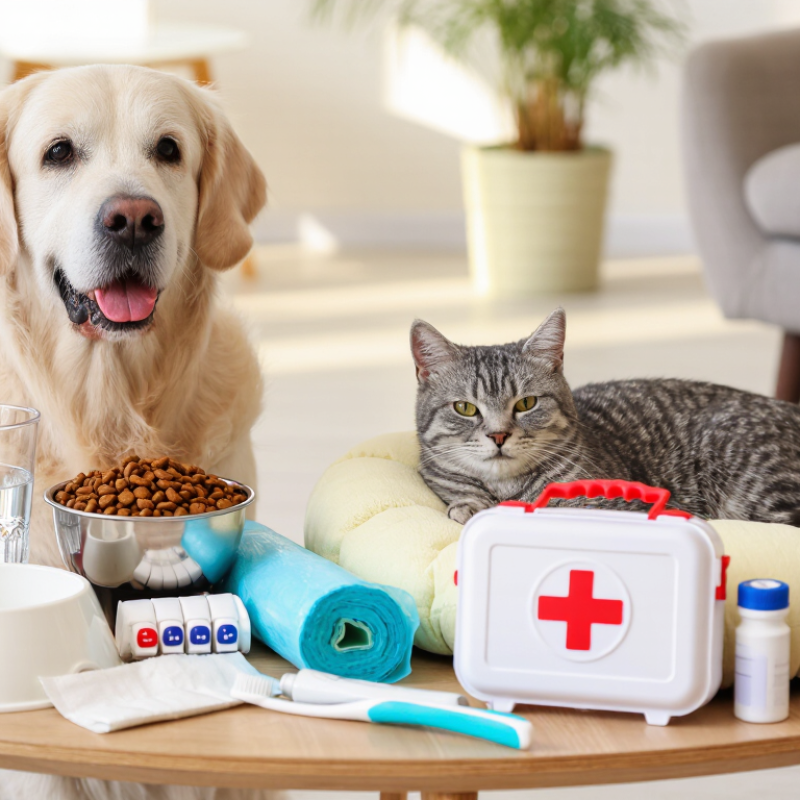
Caring for a pet is more than offering affection at the end of a busy day. Their health depends on small, repeated actions, from refreshing water to checking paws after a muddy walk. This is why the question “Why do pets need daily care supplies” deserves practical attention. Food containers, grooming tools, dental products, waste bags, bedding, and basic first-aid items can support cleaner, safer routines. They also help owners notice changes before a minor concern becomes serious.
Veterinarian Dr. Marty Becker captures the human side of this responsibility: “Pets are not our whole life, but they make our lives whole.” His words explain why daily supplies matter beyond convenience. A measured scoop can prevent overfeeding. A soft brush can reveal a new lump, irritated skin, or hidden debris. Fresh bedding can reduce odors and moisture around a pet’s resting area. Small details count.
Still, no checklist fits every animal. A senior cat may need joint-support tools, while an active dog may need paw care after rough outdoor surfaces. Some products may even be unnecessary or poorly suited. That part requires reflection. Owners should consider species, age, size, health history, and veterinary advice before buying. Daily care is not about collecting supplies. It is about using the right items consistently, then adjusting when the pet’s needs change. This introduction explores the top ten reasons these supplies support comfort, hygiene, prevention, and a more dependable bond between pets and their caregivers.
Top 10 Reasons Why Pets Need Daily Care Supplies?
Daily care supplies support pets’ basic health needs. A clean water bowl, measured food, grooming tools, and waste bags make healthy routines easier to maintain. The 2023–2024 APPA National Pet Owners Survey reports that 66% of U.S. households own a pet. That figure reflects millions of animals relying on consistent home care.
Nutrition needs daily attention. Measuring food can reduce accidental overfeeding, especially when treats are added. The Association for Pet Obesity Prevention reported in 2022 that 59% of cats and 55.8% of dogs were overweight or obese. Weight control is not only about appearance. It can affect movement, comfort, and long-term health. Dental supplies also matter. The American Veterinary Medical Association recommends regular tooth brushing because plaque can build quickly. Still, no routine is perfect. One missed brushing is not failure. Repeated neglect is the real concern.
Tips: Keep supplies together in one dry drawer. Wash bowls daily. Check water before leaving home. Brush slowly, and stop if your pet shows pain or fear. Ask a veterinarian about suitable food portions, dental products, grooming frequency, and parasite prevention. A simple checklist near the feeding area may prevent forgotten tasks. Habits need adjustment. Some pets need less grooming, while others need it every day.
Nutrition and hydration tools support everyday wellness in simple, measurable ways. The Association for Pet Obesity Prevention’s 2022 survey estimated that 59% of cats and 55.8% of dogs were overweight or obese. A measured scoop can reduce accidental overfeeding, while a food scale offers greater accuracy for small portions. These tools work best with feeding guidance from a veterinarian, because calorie needs vary with age, activity, breed, and health status.
Portion control matters.
Water access deserves equal attention. The World Small Animal Veterinary Association recommends providing clean, fresh water daily and considering each animal’s individual needs. A stable bowl, several water stations, or a quiet-flow dispenser can help pets drink comfortably.
However, a fountain is not a guaranteed solution. Some animals dislike noise, and others prefer a plain bowl. Observe the pet, not the product.
The National Research Council also recognizes dietary moisture as part of total water intake, so wet food may support hydration for some pets. Still, sudden diet changes can upset digestion.
Replace water regularly, wash bowls thoroughly, and check for changes in drinking, urination, appetite, or energy. Small details are easy to miss. That is the part worth reconsidering.
Top 10 Reasons Why Pets Need Daily Care Supplies?
Grooming Supplies Protect Skin, Coat, Teeth, and Claws
Daily grooming is more than a cosmetic routine. A brush removes loose fur, spreads natural oils, and exposes redness, flakes, fleas, or small lumps. A clean comb also reduces painful matting around the ears, legs, and tail. The American Pet Products Association’s 2023–2024 National Pet Owners Survey estimates that 66% of U.S. households own a pet. That scale makes preventive home care increasingly important. FEDIAF’s 2024 Facts and Figures report also recorded nearly 140 million European pet-owning households. More pets mean more daily health decisions.
Dental care deserves equal attention. The American Veterinary Medical Association identifies periodontal disease as one of the most common problems affecting dogs and cats. Veterinary dental guidance recommends daily toothbrushing when pets tolerate it. Nail trimming protects claws from splitting and reduces pressure on toes and joints. Still, a perfect routine is unrealistic. Some pets resist brushes. Some owners miss warning signs. I have learned that gentle, repeated handling often works better than forcing one long session.
Tips: Use a soft brush suited to the coat. Check skin under bright light. Introduce toothpaste gradually. Trim only the sharp claw tip, avoiding the quick. Stop when your pet becomes stressed, and ask a veterinary professional about bleeding, swelling, persistent odor, or severe mats.
Grooming supplies help protect skin, coat, teeth, paws, ears, eyes, and claws through consistent daily care.
The chart shows practical care intervals commonly recommended by veterinary and animal-welfare guidance. Dental brushing is ideally performed daily, while other routines may vary by species, breed, coat type, age, health, and lifestyle. Nail trimming should be performed when nails begin touching the ground or clicking on hard floors.
Exercise and enrichment supplies support more than movement. They help pets manage stress, boredom, and excess weight. The Association for Pet Obesity Prevention’s 2022 survey estimated that 59% of dogs and 61% of cats were overweight or obese. A daily routine with safe toys, climbing areas, food puzzles, or walking equipment can encourage healthier activity. However, the right item depends on age, breed, mobility, and temperament.
Veterinary behavior guidance emphasizes choice, novelty, and positive engagement. A cat may stalk a feather toy across the room, then rest on a raised platform. A dog may search for hidden treats inside a puzzle feeder. These short activities can challenge memory and problem-solving without exhausting the animal. The PDSA Animal Wellbeing Report 2024 also identifies exercise and mental stimulation as essential parts of responsible pet care. Supplies should remain clean, durable, and suitable for supervised use.
More equipment is not always better. A complicated toy may frustrate a nervous pet. An energetic dog may still need outdoor movement, not only indoor toys. Caregivers should watch breathing, posture, interest, and recovery after activity. I sometimes underestimate how quickly pets lose interest in repeated routines. Rotating items can help, but observation matters more than buying everything. Consult a veterinarian when pain, obesity, sudden fatigue, or unusual behavior appears.
Daily care supplies are not simply convenient purchases. They help control small household hazards before those hazards become expensive problems. A washable feeding mat can catch spilled water, while sealed food containers discourage pests and moisture. Grooming tools remove loose fur and dirt from coats. Waste bags and covered bins also reduce contact with animal waste, especially near children’s play areas.
The Centers for Disease Control and Prevention reports that six in ten known infectious diseases can spread from animals, and three in four new or emerging infectious diseases originate in animals. That does not mean every pet creates a serious health threat. It does show why regular handwashing, surface cleaning, and safe waste handling matter. The CDC also estimates about 4.5 million dog bites occur in the United States each year. Secure gates, non-slip mats, and calm handling supplies may reduce some preventable household risks, although no product replaces supervision.
The American Veterinary Medical Association recommends routine preventive care, including grooming, dental attention, and parasite control. Daily checks can reveal a cracked nail, irritated skin, or a damaged collar early. Small details matter. Still, a perfect checklist is unrealistic. Owners may forget a water bowl or clean a brush too late. A visible storage station, labelled containers, and a short evening routine make safer habits easier to repeat. Cleaning supplies should remain inaccessible to pets, because hygiene products can become hazards when stored carelessly.
A measuring scoop can reduce accidental overfeeding. A food scale gives better accuracy for small portions. Portion control matters.
Feeding needs vary with age, activity, breed, and health status. Follow veterinary guidance rather than guessing from the bowl. A perfect portion is not always obvious.
Provide clean, fresh water every day. Stable bowls, multiple water stations, or quiet dispensers may help. Some pets simply prefer plain bowls.
No. Some animals dislike motor noise or moving water. Observe your pet’s behavior, not just the product. That detail is easy to miss.
Dietary moisture contributes to total water intake. Wet food may help some pets drink more overall. Change diets gradually to reduce digestive upset.
Watch drinking, urination, appetite, and energy levels. Replace water regularly and wash bowls thoroughly. Small details count.
Brushing removes loose fur and spreads natural oils. It can reveal redness, flakes, parasites, or small lumps. Check under bright light.
Use a soft brush suited to the coat. Introduce dental products gradually. Trim only the sharp claw tip, avoiding the quick.
Use gentle, repeated handling instead of forcing one long session. Stop when stress increases. Some routines need patience, and some need professional help.
Seek advice for bleeding, swelling, persistent odor, severe mats, or sudden behavior changes. Do not ignore repeated warning signs. I may overlook them too.
Why do pets need daily care supplies? They rely on consistent support to stay healthy, comfortable, and active throughout every stage of life. Everyday care items help meet basic needs such as feeding, hydration, cleanliness, and routine comfort, while suitable nutrition and water tools make it easier to maintain balanced daily wellness. Regular grooming supplies also protect the skin, coat, teeth, and claws by reducing buildup, discomfort, and preventable hygiene concerns.
Daily care supplies are equally important for a pet’s physical and mental well-being. Exercise toys and enrichment items encourage movement, curiosity, and healthy engagement, helping reduce boredom and stress. Safety and hygiene products can also limit common household risks, keep living areas cleaner, and support safer routines for both pets and their caregivers. With thoughtful daily care, pets are more likely to remain comfortable, stimulated, and better prepared for a healthy, happy life.

Colourful Pet