2026 Top Pet Supplies Why Is My Pet Scared of New Supplies?

Time:2026-10-18 Author:Charlotte
0%

Buying a new pet bed, carrier, bowl, or automatic feeder should feel helpful. Yet some animals freeze, hide, bark, hiss, or refuse food when an unfamiliar item enters the home. The question “Why is my pet scared of new supplies” has a practical answer. Pets rely on familiar smells, textures, sounds, and daily patterns. A shiny metal bowl may reflect light. A new carrier may carry a strong plastic odor. Even a soft bed can seem suspicious after moving across the floor.

This reaction is usually fear, not stubbornness. In my experience, rushing an introduction often makes the problem last longer. Place the supply several feet away, then allow your pet to investigate freely. Keep familiar blankets nearby. Reward calm glances with treats, but never push the animal toward the object. Short sessions work better than dramatic introductions. Very small steps matter.

Veterinarians and qualified animal behavior professionals recommend watching body language carefully. A tucked tail, flattened ears, lip licking, pacing, or sudden withdrawal signals discomfort. Remove the item if your pet cannot relax, and try again later. Choose supplies with washable materials, stable bases, gentle colors, and minimal noise when possible. These details can improve comfort, though they cannot solve every fear. Some pets need a slower plan, especially after rescue, illness, or a frightening experience. If fear continues, affects eating, or causes aggression, consult a veterinarian for reliable guidance. Safety comes before convenience.
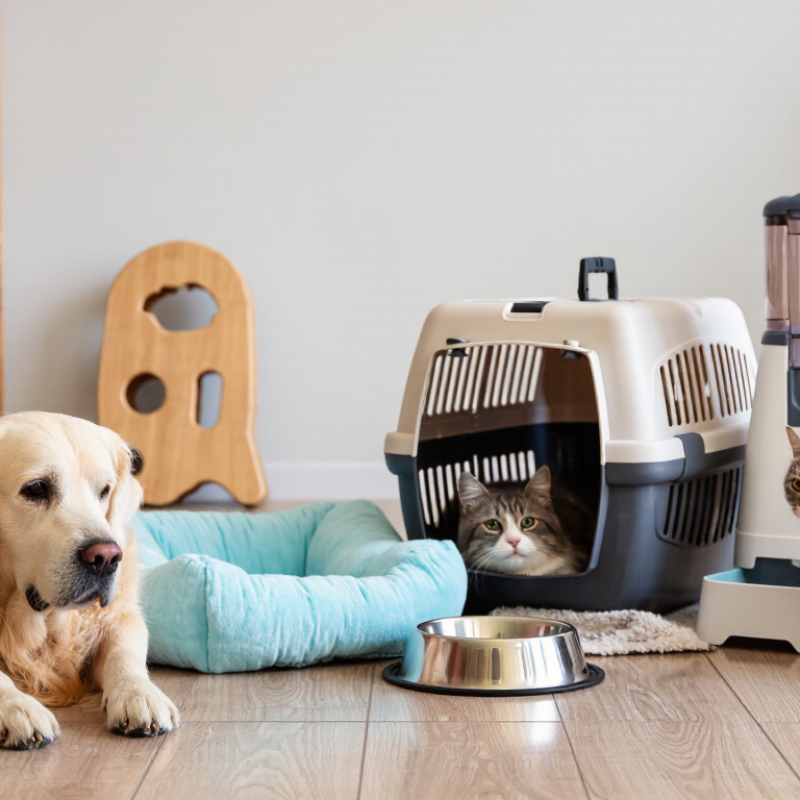
2026 Top Pet Supplies Why Is My Pet Scared of New Supplies?

Common Reasons Pets Fear New Supplies

A new bowl, harness, litter tray, or bed can look harmless to us. To a pet, it may smell unfamiliar, move differently, or change the room. The American Pet Products Association’s 2023–2024 National Pet Owners Survey reports that 66% of U.S. households own a pet. That scale matters. Fear of new supplies is not a niche shopping problem. It is a common welfare question. However, the survey measures ownership, not anxiety, so it cannot show how many animals resist unfamiliar equipment.

Common reasons include unfamiliar scents, sudden placement, noise, texture, and negative past experiences. A metal bowl may clang against tile. A covered bed may feel like a trap. A harness can press sensitive areas or restrict movement. Cats may avoid supplies near food, litter, or busy walkways. Veterinary guidance from the American Animal Hospital Association recommends gradual exposure, choice, and reward-based handling. Do not drag a pet toward the object. That mistake is easy to make.

Place the supply several feet away and allow quiet investigation. Pair brief glances with a small, familiar treat. Move it closer only when body language stays loose, with normal breathing and relaxed posture. If ears flatten, trembling starts, or eating stops, increase distance. The 2024 AAHA Behavior Management Guidelines warn that fear may worsen when signals are ignored. Persistent hiding, aggression, or appetite loss warrants veterinary advice. I once assumed a new mat was comforting; my cat avoided it because its rubber backing smelled strong. Airing it overnight helped. Not every refusal is stubbornness.

How Pets Perceive Unfamiliar Objects and Scents

A new bowl, carrier, or toy can feel threatening because pets notice details humans miss. Plastic may smell sharp. Metal may reflect light. A toy may crinkle unexpectedly under a paw. Dogs also investigate through scent, while cats often rely on scent, movement, and escape routes. The object is unfamiliar, not necessarily dangerous.

Pet ownership is widespread, so this reaction matters to many households. The APPA 2023–2024 National Pet Owners Survey estimated that 66% of U.S. households, or about 86.9 million homes, owned a pet.

FEDIAF’s 2024 European Pet Food Industry report counted about 139.7 million pet-owning households in Europe. Neither report measures fear of new supplies directly. That limitation deserves attention.

Place the new item several feet away first. Let your pet approach without pressure. Rub a familiar blanket over it, then offer a small treat nearby. Keep the room quiet. For cats, preserve a clear route behind the item. For dogs, avoid pushing a new harness over the head immediately. I once assumed refusal meant dislike. It may mean the scent changed overnight, or the object moved when touched. Watch loose posture, normal breathing, and voluntary investigation. Hiding, trembling, panting, or refusing food suggests the distance is too small. A veterinarian or qualified behavior professional can assess persistent fear.

Signs of Stress When Introducing New Supplies

When a pet fears a new supply, stress may appear before obvious panic. Watch for freezing, hiding, tucked tails, flattened ears, or sudden pacing. Some pets lick their lips, yawn repeatedly, pant, or refuse a favorite treat. Cats may avoid the room or stop using the litter area. Dogs might bark, stare, or keep their body low.

These signs matter.

In my experience, a new bed, carrier, bowl, or grooming tool should enter the home quietly. Place it several feet away and let your pet investigate without pressure. Reward calm behavior with a familiar treat or gentle praise. Keep the first session brief, perhaps two minutes. A common mistake is moving too quickly because the item seems harmless to us. I have done this myself, and the pet became more watchful instead of more comfortable.

Use familiar blankets or household scents near the new supply. Introduce one item at a time, and keep daily routines unchanged. If your pet stops eating, hides for long periods, or shows repeated defensive behavior, remove the item and slow the process. Persistent stress deserves advice from a veterinarian or qualified animal behavior professional. Take notes on body language, timing, and triggers. Small details can reveal what the pet cannot communicate.

2026 Top Pet Supplies Why Is My Pet Scared of New Supplies? - Signs of Stress When Introducing New Supplies

Supply Category Common Stress Signs Likely Reason for Fear Recommended Introduction Suggested Pace When to Pause or Seek Help
Food or Water Bowl Backing away, refusing food near the bowl, crouching, lip licking, or repeated glances at the object New smell, reflective surface, sliding movement, or noise when the bowl touches the floor Place the empty bowl several feet away; reward calm investigation, then gradually move it closer 1–3 days Pause if the pet stops eating or drinking. Contact a veterinarian if reduced intake persists or dehydration is suspected
Harness, Collar, or Leash Freezing, pawing at the equipment, shaking, hiding, rolling, or trying to escape Restriction of movement, unfamiliar pressure, fast attachment, or previous discomfort Show the item, offer a treat, touch it briefly to the body, and practice indoors before fastening it 3–14 days Stop if there is coughing, chafing, breathing difficulty, panic, or persistent escape behavior
Bed, Mat, or Carrier Avoiding the item, pacing, whining, panting, dilated pupils, or remaining close to an exit Unfamiliar texture, enclosed space, new odor, or association with travel or veterinary visits Leave it open and stationary in a familiar room; add familiar bedding and reward voluntary entry Several days to 2 weeks Do not force entry. Seek professional guidance if panic, self-injury, or severe confinement distress occurs
Toy or Enrichment Item Startling, barking, hissing, swatting, hiding, or ignoring a previously interesting activity Unexpected movement, sound, size, texture, or strong manufacturing odor Keep the item at a distance, pair it with favorite food, and allow the pet to approach at its own speed 1–7 days Remove items that splinter, shed loose parts, create intense fear, or trigger aggressive responses
Grooming Tool Turning away, scratching, biting at the tool, trembling, vocalizing, or sudden skin sensitivity Sharp sensation, vibration, noise, pulling of hair, or a painful prior grooming experience Let the pet smell the tool; touch it without grooming, then use one gentle stroke followed by a reward Several short sessions Stop for pain, skin redness, intense resistance, or signs that may indicate an underlying medical problem
Clothing, Boots, or Protective Gear Unusual walking, stiff posture, excessive licking, shaking, or attempts to remove the item Restricted movement, unfamiliar contact, poor fit, heat, or loss of normal paw sensation Begin with one item for a few seconds indoors; check movement, skin, circulation, and temperature 1–7 days Remove immediately if the item causes limping, restricted breathing, overheating, swelling, or skin irritation
Litter Box or Toilet Accessory Avoiding the area, repeated sniffing, restlessness, vocalization, or toileting elsewhere Different litter texture, odor, box shape, location, or noise around the toilet area Keep the familiar setup while placing the new option beside it; change one feature at a time 7–14 days Seek veterinary advice for straining, blood, frequent unsuccessful attempts, or sudden changes in elimination
Small-Animal Hideout or Habitat Accessory Freezing, rapid breathing, excessive hiding, reduced activity, or defensive biting Strong odor, unfamiliar shape, sudden habitat rearrangement, or reduced escape routes Air out the item when appropriate, add familiar nesting material, and preserve a quiet retreat 3–10 days Pause if eating, drinking, movement, breathing, or droppings change noticeably
General introduction rule: Use gradual exposure, positive reinforcement, and short sessions. Never force a frightened pet to approach or wear a new supply. If fear is intense, sudden, worsening, or accompanied by pain or illness, consult a qualified veterinarian or certified behavior professional.

Step-by-Step Ways to Help Pets Accept New Items

A new bed, bowl, harness, or toy can feel threatening to a pet. Fear is communication, not stubbornness. Watch for freezing, hiding, lip licking, trembling, or refusing treats. These signs mean the item feels too close or unfamiliar.

Start with distance. Place the new supply across the room, then let your pet observe it freely. Reward calm behavior with a small treat or gentle praise. Do not push the item toward your pet. After several relaxed sessions, move it slightly closer. Let your pet choose when to sniff it. This control often builds confidence faster than forced contact.

Add familiar scents when possible. Rub a clean blanket over the new bed or place a known toy beside it. Keep early sessions brief, perhaps two minutes. End while your pet remains comfortable. I have seen caregivers move too quickly because one successful sniff seemed encouraging. That can create a setback. Progress is rarely perfectly straight.

For food or water supplies, keep the old item nearby at first. Change one detail at a time. If your pet stops eating, avoids drinking, or remains distressed for several days, contact a veterinarian or qualified behavior professional. Medical discomfort can look like fear, and guessing may delay useful care.

2026 Top Pet Supplies: Helping Pets Accept New Items

This gradual exposure plan uses short, low-pressure sessions. Begin with the new item at a comfortable distance, reward calm behavior, and increase exposure only when your pet remains relaxed. If fear signals appear, pause and return to the previous step.

When Fear Requires Veterinary or Behavioral Support

A brief pause around a new bed, carrier, bowl, or grooming tool is often normal. Your pet may avoid it because of unfamiliar smells, shiny surfaces, noise, or a different texture. Place the item several feet away and let your pet investigate freely. Reward calm glances with a small treat. Never drag a frightened animal toward the supply. That can turn caution into panic.

Professional support matters when fear seems intense, persistent, or suddenly appears. Contact a veterinarian if your pet trembles, pants heavily, refuses food, hides for many hours, injures itself, or shows sudden aggression. Pain, vision changes, hearing loss, or illness can make ordinary objects seem threatening. A veterinary examination should come before assuming the problem is purely behavioral. I have also seen owners wait too long, hoping fear will disappear. Sometimes it does not.

A qualified behavior professional can create gradual exposure steps. The plan may begin with the item outside the room, then move closer over several days. Progress can be uneven. That is normal. If your pet stops eating, freezes, or rushes away, the step was too difficult. Move back and slow down. Avoid punishment, forced handling, and overwhelming introductions. Keep a simple record of distance, body language, appetite, and recovery time. These details help your veterinarian or behavior professional adjust the plan safely.

FAQS

Why might a pet fear a new bowl, bed, harness, or litter tray?

It may smell unfamiliar, feel strange, make noise, or change the room. Fear is communication.

How can I tell that a pet feels uncomfortable?

Watch for freezing, hiding, flattened ears, trembling, lip licking, or refusing treats. Normal breathing matters too.

Where should I place a new pet supply?

Start several feet away, preferably in a quiet area. Let your pet observe without pressure.

How can I build positive associations with the new item?

Reward calm glances with a small familiar treat. Gentle praise may help. Keep sessions brief.

Should I move the item closer quickly?

No. Move it slightly closer only after relaxed behavior appears repeatedly. Progress can be uneven.

What scents can make a new item easier to accept?

Place a familiar toy or clean blanket nearby. Airing out a strong rubber smell may help.

What should I do if my pet refuses food or water?

Keep the old bowl nearby and change one detail at a time. Persistent refusal needs veterinary advice.

Can forcing contact make fear worse?

Yes. Dragging a pet toward the object may increase distress. Give the pet meaningful choice.

When should I seek professional help?

Contact a veterinarian for persistent hiding, aggression, appetite loss, or distress lasting several days. Medical discomfort can resemble fear.

Does every pet accept new supplies through the same process?

No. One successful sniff does not prove readiness. I have sometimes moved too fast, and the pet regressed.

Conclusion

Why is my pet scared of new supplies? Fear often comes from unfamiliar shapes, textures, sounds, or scents, especially if an item changes the pet’s routine or reminds them of a past negative experience. Dogs, cats, and other companion animals investigate new objects through smell, sight, and touch, so even a harmless supply may feel threatening at first. Watch for signs of stress such as hiding, trembling, excessive barking or meowing, avoiding the item, flattened ears, a tucked tail, or changes in eating and bathroom habits.

Help your pet adjust gradually by placing the new supply nearby without forcing interaction. Reward calm behavior with praise, play, or a favorite treat, then slowly move the item closer over several short sessions. Keep the environment quiet and allow your pet to retreat to a safe space. Never punish fear or rush the process. If anxiety persists, worsens, causes aggression, or interferes with daily life, consult a veterinarian or qualified animal behavior professional to identify underlying health or emotional concerns and create a safe support plan.

Charlotte

Charlotte

Charlotte is a seasoned marketing professional with a deep understanding of the company's portfolio and a passion for elevating its presence in the market. With a keen eye for detail and a commitment to excellence, she ensures that our professional blog is regularly updated with insightful articles......