For global pet buyers, safety is not merely a marketing phrase. It is a daily responsibility. A bowl may touch food, while a toy may enter a puppy’s mouth. A collar may face rain, pulling, and chewing. Choosing safer supplies protects comfort, health, and trust across unfamiliar markets. Yet product descriptions often hide important details. Materials, coatings, seams, dyes, and cleaning instructions can differ widely. A low price may conceal weak testing or poor quality control. Not always, but often enough to deserve attention.
A practical question guides responsible purchasing: “How to choose safe supplies for my pet”. Start with the pet’s age, size, habits, allergies, and medical needs. Then check clear material information, durable construction, secure fasteners, and care instructions. For food-contact products, choose surfaces that clean easily and resist cracking. For toys, inspect loose parts, sharp edges, strong odors, and chew damage before every use. Independent testing, traceable manufacturing, and responsive sellers provide useful confidence. Veterinary guidance matters when a pet has allergies, dental problems, or unusual chewing behavior. Global buyers should also compare recognized safety expectations in their destination market. Rules and labels are not identical everywhere.
A certificate alone is not proof of perfect safety. It is only one piece of evidence. Photos can mislead. Real use reveals weaknesses. This guide examines how safer pet supplies support buyers, animals, and reputable businesses. It also recognizes an uncomfortable truth: no product remains safe without supervision, maintenance, and timely replacement. Careful choices reduce risk, but they cannot remove it completely.
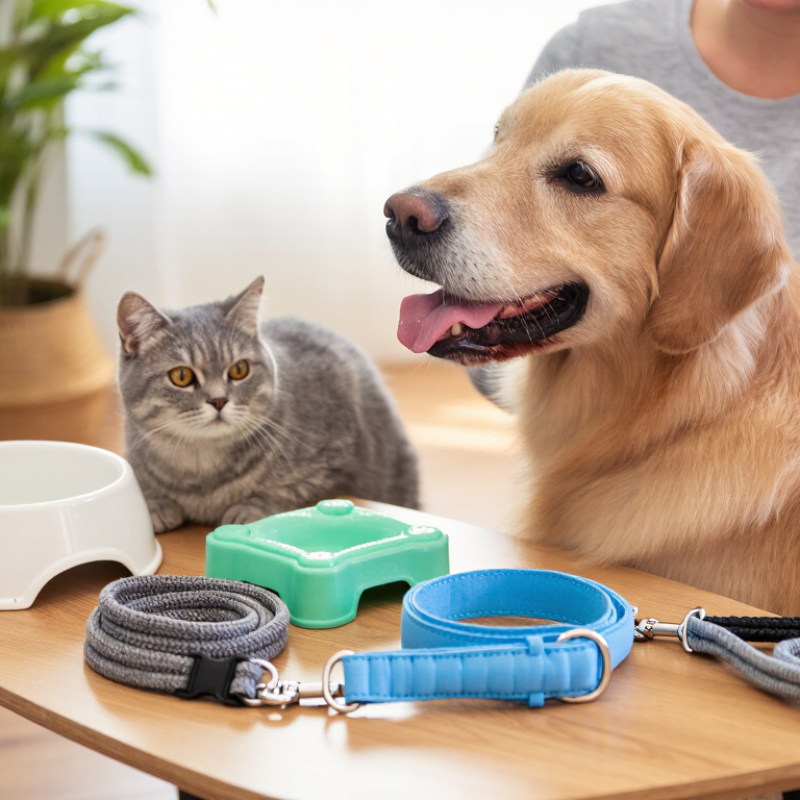
Safe pet supplies begin with evidence, not attractive packaging. The American Pet Products Association’s 2023–2024 National Pet Owners Survey reports that 66% of U.S. households own a pet. FEDIAF’s 2024 Facts and Figures report approximately 139 million pet-owning households in Europe. This scale increases the need for consistent quality across markets.
For global buyers, safe supplies use tested materials, secure construction, and clear instructions. A chew toy should resist tearing, shedding, and dangerous breakage. A bowl should have food-contact documentation and stable, washable surfaces. Products should also carry batch numbers, supplier records, and traceable testing reports. Relevant standards may include ISO, ASTM, or regional chemical and product-safety requirements. Independent laboratory testing is stronger than a supplier’s verbal promise.
Fit matters too. A collar can be well made but still unsafe if its size is wrong. Packaging should state dimensions, material composition, cleaning methods, and usage limits. The European Commission’s 2023 Safety Gate report recorded 3,412 product alerts across consumer categories. Pet products are only one part of that system, but the figure shows why buyers must verify claims carefully.
A certificate is not a magic shield. Documents can expire, cover different materials, or omit small components. Even experienced teams miss details during fast sourcing cycles. Buyers should request recent reports, compare product samples, and review failure records before ordering. Safe supply depends on repeatable controls, honest disclosure, and practical testing in real homes.
European households owned pets in 2024. A large market still needs careful purchasing. Loose stitching can injure paws or become a choking hazard. Safe supplies need suitable materials, stable construction, and consistent inspections.
Review dimensions, weight limits, ventilation, materials, and cleaning instructions. Check whether the product suits its intended animal use. Ask for samples before placing large orders. Small details matter.
Inspect durability and detachable parts carefully. Look for pieces that could break away during use. Test realistic chewing conditions with samples. A visual check alone is not enough.
Check secure seams, washable fabrics, and comfortable construction. Look closely at stitching near collars, straps, and closures. A loose thread may become a problem. That risk is easy to underestimate.
Identify plastics, rubber, textiles, coatings, dyes, and metal parts. Different materials may face different safety limits. Request current laboratory reports and supplier declarations. Keep batch numbers for traceability.
No. A strong smell may raise concern, but it proves nothing alone. Appearance can miss chemical, durability, or migration risks. Independent testing gives stronger evidence. I would not trust visual checks by themselves.
Labels should match the destination market and the actual product. They may need material details, size, care instructions, and warnings. Importer information and local-language text may also be necessary. Old label templates can create avoidable problems.
Claims such as “safe” or “natural” need clear supporting evidence. Connect claims with test results, specifications, and production records. Vague wording creates regulatory and commercial risk. The paperwork should tell the same story as the product.
No checklist catches everything. A product may pass inspection but perform differently in humid homes. Heavy daily use can expose weak clips or stitching. Review feedback from different climates and test samples honestly. Some assumptions may need correction.
Safe pet supplies are essential for global buyers who want to protect animals, meet market expectations, and reduce purchasing risks. With 66% of U.S. households owning pets in 2023–24 and 139 million European households owning pets in 2024, demand for reliable products continues to grow. Buyers should focus on safe materials, appropriate design, clear usage instructions, and transparent product claims. A practical starting question is: “How to choose safe supplies for my pet?” The answer depends on the pet’s size, age, habits, and specific needs, as well as the product’s intended use.
Regulations influence how pet products are made, labeled, tested, and marketed across different regions. Before purchasing, global buyers should request material specifications, chemical safety information, laboratory test results, production traceability, batch records, and documented recall procedures. Suppliers that provide complete and accurate data make it easier to verify quality, respond to safety concerns, and maintain compliance throughout the supply chain.

 Colourful Pet