Choosing safe pet supplies is not only about appearance, price, or a cheerful product label. Food bowls, toys, beds, collars, and grooming tools touch your pet’s body every day. The wrong material may splinter, trap bacteria, release odors, or irritate sensitive skin. What materials are safe for pet supplies depends on the product’s purpose, your pet’s habits, and the manufacturer’s quality controls.
Veterinary professionals often recommend stainless steel for bowls because it is durable, nonporous, and easy to clean. Lead-free, well-fired ceramic can also work, but chipped glaze deserves immediate attention. Food-grade silicone is flexible and useful for slow-feeder mats, travel bowls, and chew-resistant accessories, although it still needs regular washing. For bedding, tightly woven fabrics and washable covers can reduce trapped hair and moisture. Look closely at seams, coatings, dyes, and labels.
Details matter.
A puppy that chews can turn a harmless-looking toy into a choking risk within minutes. A cat with allergies may react to scented fabric, even when the material seems premium. Product testing and transparent manufacturer information offer stronger evidence than marketing language alone. Still, no material is perfect. I have seen “easy-clean” items develop cracks around edges after repeated dishwasher cycles. That reminder is useful: inspect supplies often, replace damaged pieces promptly, and follow care instructions. This guide compares common materials through durability, hygiene, comfort, and practical safety, helping pet owners make informed choices rather than trusting attractive claims.
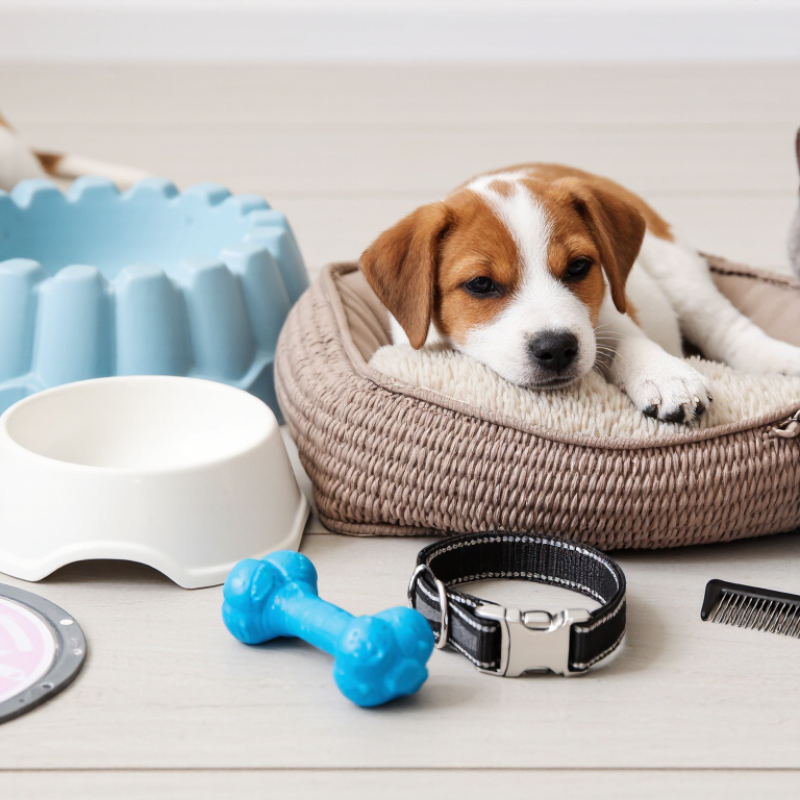
A safe pet-supply material should be non-toxic, durable, and easy to clean. It should not release harmful chemicals when exposed to saliva, water, heat, or food. The 2022 FDA Food Code identifies smooth, nonabsorbent, and easily cleanable surfaces as important hygiene features. This supports stainless steel and well-finished ceramic for bowls. Silicone can also work, but quality varies. A strong smell, sticky surface, or visible cracking deserves attention.
The American Pet Products Association’s 2023–2024 National Pet Owners Survey estimated that 66% of U.S. households owned a pet. That scale makes material choices more important than they may seem. Look for clear care instructions, food-contact suitability, and testing information from the manufacturer. “BPA-free” alone is not enough. It says little about durability, dyes, fillers, or surface damage. A product may pass one test and still perform poorly after months of chewing and washing. That is an uncomfortable but practical limitation.
Tips: Rub the surface gently and inspect seams. Replace bowls with deep scratches or chipped glaze. Wash new supplies before use. Avoid strong odors. If your pet develops mouth irritation or digestive changes, stop using the item and contact a veterinarian. Keep the packaging, because traceability matters when a material problem is suspected.
Stainless steel, ceramic, silicone, plastic, and wood all behave differently in daily pet care. Stainless steel is usually the easiest to inspect. It resists odor, staining, and repeated washing. Ceramic can work well, but chips may expose rough edges. Choose a smooth, food-contact surface. The U.S. Food and Drug Administration’s 2022 Food Code supports using durable, cleanable materials for food-contact areas, though it does not certify every pet product.
Silicone is flexible and useful for slow-feeding mats, but deep cuts can trap residue. Plastic is light and affordable. However, scratches can hold bacteria and odors. The OECD’s 2022 Global Plastics Outlook reported 460 million tonnes of plastic waste generated in 2019, with only 9% recycled. That figure makes durability part of safety, not only convenience. Untreated wood feels natural, yet it absorbs moisture and needs careful drying. Fabric supplies should be washable and fully dry before reuse.
No material is perfect. That matters. A 2023 European Chemicals Agency enforcement project found 18% of inspected products breached chemical-safety requirements, although the sample was not limited to pet supplies. Therefore, labels and testing claims deserve scrutiny. Look for clear material descriptions, smooth seams, and replacement guidance. I would replace a cracked bowl or chewed toy immediately, even if it still looks usable. My earlier assumption was that “natural” always meant safer. It does not. Cleaning, wear, and manufacturing quality can change the comparison.
For food and water bowls, stainless steel remains a practical choice. It is durable, nonporous, and easier to sanitize than scratched plastic. The 2022 FDA Food Code recommends smooth, corrosion-resistant, and nonabsorbent food-contact surfaces. Those qualities matter around wet food and saliva.
Glass can also work well. It resists odors and usually cleans easily, but it may crack or shatter on hard floors. Ceramic is acceptable when its glaze is intact and clearly made for food contact. Chips and hairline cracks can trap residue. Plastic is lightweight, yet repeated scratching creates places for bacteria to remain. NSF International’s 2011 household germ study ranked pet bowls fourth among commonly tested household items for bacteria. The finding is older, but still worth remembering. Cleanability matters more than appearance.
Tips: Choose a smooth, stable bowl with no deep seams. Wash feeding and drinking products daily with hot, soapy water, then dry them completely. Check for rust, scratches, cloudy coatings, or chipped glaze each week. Replace damaged items promptly. I prefer stainless steel for daily use, though no material is perfect. Some pets dislike metal noise, and some bowls still stay dirty when owners rush cleaning. CDC guidance on pet food safety also supports handwashing after handling food and cleaning feeding equipment.
Safe pet supplies begin with surfaces that are stable, washable, and difficult to chew apart. The American Pet Products Association’s 2023–2024 National Pet Owners Survey reports that 66% of U.S. households own a pet. That scale makes everyday material choices important. For bedding, tightly woven cotton, hemp, or untreated wool can reduce loose fibers and trapped moisture. Wash covers regularly. A damp cushion can become a hidden problem.
For toys, natural rubber, solid cotton rope, and untreated wood are practical choices when construction is simple. Avoid peeling coatings, strong odors, exposed wires, and parts small enough to swallow. The U.S. Consumer Product Safety Commission’s 2023 injury data continues to show that choking and ingestion hazards deserve attention, although its reports are not limited to pet products. Inspect toys after every intense chewing session. Replace damaged items early.
For food and water containers, stainless steel or intact glass offers a smooth, nonporous surface. Ceramic can work, but only when its glaze is intact and labeled food-safe. The FDA Food Code emphasizes cleanable, corrosion-resistant food-contact surfaces, a useful benchmark for pet bowls. “Food-grade” alone is not a complete safety guarantee. I would also question very cheap plastics, especially when scratched or heated. Material safety depends on design, cleaning, age, and the individual animal. No product stays safe forever.
| Material | Suitable Pet Supplies | Overall Safety | Key Benefits | Important Safety Considerations | Best for |
|---|---|---|---|---|---|
| Stainless Steel | Food and water bowls, feeding utensils, storage containers | Excellent | Durable, nonporous, easy to clean, and resistant to rust when properly maintained | Choose food-contact-grade steel. Replace items with deep scratches, dents, or persistent corrosion. | Dogs, cats, birds, and small animals |
| Food-Grade Silicone | Slow-feeder mats, collapsible bowls, toy components, feeding accessories | Excellent | Flexible, lightweight, water-resistant, and generally easy to wash | Use only products labeled for food contact. Inspect for tears and remove pieces that can be chewed off or swallowed. | Dogs and cats |
| Untreated Natural Rubber | Chew toys, fetch toys, enrichment toys | Good | Flexible and resilient, with useful resistance to moderate chewing | Confirm that the material is free from unsafe additives. Supervise chewing and discard toys that become damaged. | Moderate chewers |
| Hard Nylon | Chew toys and durable interactive toys | Conditional | Long-lasting and resistant to wear | If the toy is harder than the pet’s teeth, it may contribute to tooth fractures. Replace sharp, splintered, or heavily worn pieces. | Strong chewers, with supervision |
| Solid, Glazed Ceramic | Food and water bowls | Good | Stable, nonporous when properly glazed, and less likely to retain odors | Use lead-free, food-safe ceramic. Check regularly for chips and cracks, which can harbor bacteria or cause cuts. | Dogs and cats |
| Borosilicate Glass | Water containers, food-storage jars, small-animal feeding dishes | Good | Nonporous, odor-resistant, and easy to clean | Glass can break and create sharp fragments. Use only where tipping and breakage are unlikely, and inspect for chips. | Supervised indoor use |
| Organic Cotton | Bedding covers, blankets, washable toy fabric | Good | Soft, breathable, washable, and suitable for resting areas | Choose tightly woven fabric without loose threads. Wash regularly and remove bedding if the pet chews or ingests fabric. | Dogs, cats, rabbits, and small animals |
| Hemp or Linen | Bedding covers, mats, fabric toys | Good | Breathable and relatively durable natural fibers | Avoid loose weave, frayed edges, dyes with strong odors, and detachable parts. Clean according to care instructions. | Resting areas and supervised play |
| Untreated Hardwood | Perches, platforms, habitat accessories, some chew items | Conditional | Provides texture and structure for climbing or chewing | Use pet-safe, non-toxic wood without paint, preservatives, pesticides, nails, or splinters. Avoid unknown wood sources. | Birds and small animals |
| High-Density Polyethylene (HDPE) | Food-storage bins, litter-box components, habitat trays | Good | Lightweight, durable, moisture-resistant, and relatively easy to sanitize | Select food-contact-grade or pet-supply-grade material. Replace containers that become deeply scratched or brittle. | Dogs, cats, and small animals |
| Polypropylene | Food containers, feeding accessories, habitat organizers | Good | Lightweight, chemically stable for common food-storage uses, and easy to clean | Use food-contact-grade products, avoid excessive heat unless approved, and replace heavily scratched items. | General food storage |
| PVC with Unknown Additives | Chew toys, feeding items, bedding accessories | Avoid | Low-cost and widely available, but composition can vary substantially | Avoid products with unclear formulations, strong chemical odors, loose coatings, or accessible soft pieces that can be swallowed. | Not recommended for direct chewing or feeding |
| Soft Foam and Loose-Fill Materials | Beds, cushions, toys, nesting materials | High Risk if Chewed | Comfortable and lightweight, but often easy to tear apart | Ingestion may cause choking or intestinal blockage. Use only when fully enclosed, regularly inspected, and inaccessible to chewers. | Non-chewing pets under supervision |
Stainless steel, glass, and high-quality silicone are practical choices for bowls, feeders, and storage containers. They resist odors, shed fewer particles, and are easier to inspect than damaged plastic. Choose smooth surfaces with no sharp seams. Food-contact materials should be clearly identified by the manufacturer. Untreated ceramic can also work, but chipped glaze may trap bacteria. I once assumed a “natural” material was automatically safer. That was careless. Surface quality and maintenance matter more than marketing language.
Tips: Wash bowls daily with hot water and mild dish soap. Rinse thoroughly, then dry them completely. Check silicone for sticky areas, tears, or unusual smells. Inspect metal for rust and ceramic for hairline cracks. Replace damaged items promptly. Do not keep using a bowl just because it looks clean. A deep scratch can hold residue. Avoid very hot food in unknown plastic containers. Heat may increase material transfer, although the risk depends on the plastic and exposure time. Keep chew toys away from sunlight and strong cleaning chemicals. Sunlight can make some materials brittle. This is easy to overlook.
For collars, harnesses, and bedding, prioritize breathable fabrics, secure stitching, and washable surfaces. Examine buckles and seams every few days, especially after outdoor use. Wash bedding according to its care label, and dry it fully before use. Damp fabric can develop an unpleasant smell quickly. Pets chew, scratch, and spill more than we expect. That changes the safety decision.
Tightly woven cotton, hemp, and untreated wool can reduce loose fibers and trapped moisture. Choose washable covers with secure stitching. Dry bedding fully before use. Damp fabric becomes unpleasant quickly.
Stainless steel and intact glass offer smooth, nonporous surfaces. High-quality silicone can also work when it remains intact. Ceramic is suitable only with an intact, food-safe glaze. Inspect every day.
Not necessarily, but scratched or heated plastic deserves caution. Avoid very hot food in unknown plastic containers. Heat may increase material transfer. I would question very cheap plastic more carefully.
Choose simple toys made from natural rubber, solid cotton rope, or untreated wood. Avoid peeling coatings, strong odors, exposed wires, and swallowable parts. Small pieces are a serious concern.
Inspect toys after intense chewing sessions. Look for torn rope, cracked rubber, splinters, or loose pieces. Replace damaged toys early. Waiting can be a mistake.
Wash food and water bowls daily with hot water and mild dish soap. Rinse thoroughly, then dry them completely. A bowl may look clean while scratches hold residue.
Replace containers with deep scratches, rust, hairline cracks, sticky silicone, or unusual smells. Chipped ceramic glaze may trap bacteria. Do not keep using damaged items.
Choose breathable fabrics, secure stitching, and washable surfaces. Check buckles and seams every few days, especially after outdoor use. Follow care labels. I once trusted “natural” materials too quickly. Surface quality matters more.
Choosing safe materials for pet supplies starts with considering durability, non-toxicity, hygiene, and the needs of the animal using them. What materials are safe for pet supplies depends on the product: food-grade stainless steel, ceramic with a sound, smooth finish, and suitable glass are generally good choices for feeding and drinking because they are easy to clean and less likely to hold odors. Some plastics may be practical, but they should be sturdy, non-porous, and free from strong chemical smells or easily damaged surfaces.
For bedding, toys, and containers, look for washable fabrics, securely stitched parts, natural fibers, and durable materials that cannot splinter, break into sharp pieces, or be swallowed. Safe products should have appropriate sizes, good ventilation, and no loose components. Regular cleaning, careful inspection, and prompt replacement of worn or damaged items are just as important as the original material. Pet owners should select supplies according to their pet’s size, habits, age, and chewing strength.

Colourful Pet