How to Train Pets to Use New Supplies Effectively?

Time:2026-05-11 Author:Ethan
0%

Training pets to use new supplies effectively is essential for pet owners. A report from the American Pet Products Association shows that 67% of U.S. households own a pet. Proper training can help reduce stress for both pets and owners. However, many face challenges during the transition period. It’s vital to consider how to help pets use new supplies.

Using positive reinforcement techniques can significantly aid in this process. Research indicates that pets learn best when rewarded. A study published in the Journal of Veterinary Behavior suggests that pets retain new commands better with consistent training sessions. Owners often overlook the importance of patience. Rushing the process can lead to frustration for both the pet and the trainer.

Additionally, familiarity breeds comfort. Gradually introducing new supplies can ease anxiety. Not all pets will adapt at the same pace, which can lead to challenges. Some may resist new items, while others may embrace them. Reflecting on the training approach can help refine techniques and improve the experience for pets.
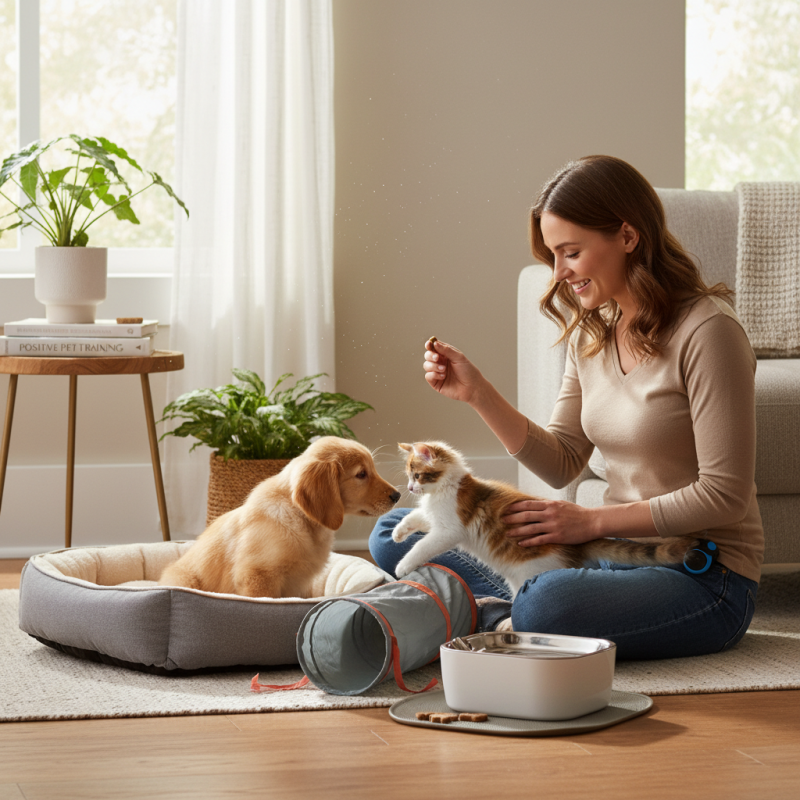
How to Train Pets to Use New Supplies Effectively?

Understanding Your Pet's Needs and Preferences

Understanding your pet's needs and preferences and is crucial when introducing new supplies. Pets thrive in environments that cater to their instincts and habits. According to The American Pet Products Association, 70% of pet owners believe that their pets have specific likes and dislikes. Observing your pet’s behavior can provide insights. For example, some dogs prefer certain textures in their bedding, while cats may show a preference for climbing or scratching materials.


When training pets to use new supplies, patience is key. A study published in the Journal of Veterinary Behavior suggests that pets may take several days to adjust to new items. This adjustment period varies by individual. Inconsistency can lead to confusion. If your pet hesitates, try to identify any changes that may influence their comfort.


Keeping track of their reactions is also beneficial. Make notes on what they engage with or ignore. This practice highlights their preferences over time. Adjusting your approach based on these observations can lead to a more seamless integration of new tools. Building a connection with your pet around their choices fosters trust and can improve their willingness to adapt.

Choosing the Right Supplies for Training

Choosing the right supplies for training your pet is crucial. The supplies should match your pet's needs and personality. Consider basic items like collars, leashes, and training pads. Each of these can significantly impact your training success. For example, a leash that is too long might make it hard to control your pet. A collar that is too tight can cause discomfort.

It’s essential to evaluate the materials used in these supplies. Some pets may have allergies or sensitivities to certain fabrics or plastics. Natural materials are often safer and more comfortable. This choice can result in a more effective training experience. Reflect on your previous training efforts. Did the supplies hinder progress? If so, it’s time for an upgrade.

Engage in trial and error with different supplies. What works for one pet may not work for another. Be open to feedback from your pet. Watch their behavior closely. Look for signs of comfort or distress. Sometimes, a small adjustment in gear can lead to significant improvements. Keep reassessing your supplies as your pet grows or their training needs change.

Gradual Introduction of New Supplies to Pets

Introducing new supplies to pets can be a challenge. An effective approach is to introduce them gradually. This means starting with small portions of the supplies. For example, if you have a new bowl, place it next to the old one. Let your pet explore it at their own pace. This helps reduce anxiety about the unfamiliar item.

Observation is key during this time. Watch how your pet interacts with the new supply. Some pets may sniff, while others might hesitate. If your pet shows signs of fear, it may be beneficial to remove the item and try again later. Always celebrate small successes with praise or a treat. This positive reinforcement encourages acceptance.

Remember, patience is essential. It's normal for pets to take time to adjust. Some may even need weeks to fully embrace new supplies. Reflect on their behavior regularly. Adapt your approach as needed. This can lead to a more comfortable transition for your furry friends. Creating a stress-free environment fosters learning and trust. Pets will appreciate your effort in making changes easier for them.

Effectiveness of Gradual Introduction of New Supplies to Pets

Positive Reinforcement Techniques for Successful Training

Training pets to use new supplies can be an enriching experience. Positive reinforcement is a powerful tool in this process. This method encourages desired behaviors through rewards, making training enjoyable. When your pet successfully uses a new litter box or a designated area, give immediate praise. This creates a clear connection between the action and the reward.

Using treats or affection works well, too. For instance, if your dog uses a new bed, offer a small treat. The goal is to make your pet associate new supplies with positive outcomes. Sometimes, pets may seem disinterested or confused initially. This could be due to the newness of the supplies. If your cat ignores a new scratching post, adjust your approach. Experiment with different rewards or vary your timing to see what resonates.

Keep training sessions short and engaging. Limit them to about five to ten minutes to maintain focus. Consistency is key; repeat the process daily. Be patient with your pet. Mistakes can happen. It’s important to recognize that some pets may take longer to adapt. Reflect on your training strategies and be open to making changes when necessary.

Monitoring Progress and Adjusting Training Methods

Monitoring your pet’s progress while adjusting training methods is crucial. Each pet learns differently. Some might catch on quickly, while others may need more time. It’s vital to observe their behavior during training sessions. Take notes on what works and what doesn’t. For example, if your dog seems distracted, consider changing the training environment. A quieter space may help them focus better.

Adjusting methods can involve trying different techniques. Maybe your cat responds better to treats than verbal praise. In contrast, your dog might thrive on encouragement and playtime. These small adjustments can lead to significant improvements. Track milestones carefully. Celebrate little victories, like successfully using a new toy. This builds positive reinforcement, making learning more enjoyable for your pet.

Reflection is also important. If progress stalls, reassess your approach. Consider whether your expectations are realistic. Each pet has its unique timeline. They may need additional support, or the training might need tweaking. Keep an open mind and be patient. Your pet's journey is a partnership that thrives on understanding and adaptability.

FAQS

: How should I introduce new supplies to my pet?

: Start slowly with small portions of the new supplies. Let your pet explore at their own pace.

What if my pet shows fear towards new items?

If your pet seems scared, remove the item and try introducing it again later.

How can I encourage my pet to accept new supplies?

Celebrate small successes with praise or treats. Positive reinforcement helps encourage acceptance.

How long does it take for pets to adjust to new supplies?

Adjustment time varies. Some pets may need weeks to embrace new supplies fully.

What should I observe during the introduction of new supplies?

Watch how your pet interacts. Notice if they sniff, hesitate, or show signs of fear.

How can I use rewards in training my pet?

Offer treats or praise immediately after they successfully use new supplies. This builds positive associations.

What if my pet ignores a new item?

Try different rewards or change your approach. Pets may need time to become familiar with new items.

How long should training sessions be?

Keep training sessions short, around five to ten minutes, to maintain your pet's focus and interest.

What if my training methods aren't working?

It’s okay to reflect on your strategies. Be open to adjustments based on your pet's responses.

What role does the environment play in pet training?

A stress-free environment helps pets feel comfortable. This fosters learning and builds trust during the process.

Conclusion

Training pets to use new supplies can be a rewarding yet challenging process. To help pets adapt effectively, it's essential to understand their specific needs and preferences. Choosing the right supplies that align with these needs is crucial for a smooth transition. Introducing new supplies gradually allows pets to acclimate without feeling overwhelmed, fostering a more positive experience.

Incorporating positive reinforcement techniques can significantly enhance the training process, encouraging pets to engage with new items willingly. Furthermore, consistently monitoring their progress and being flexible with training methods ensures that you can make necessary adjustments that cater to your pet's comfort and learning pace. Ultimately, knowing how to help pets use new supplies involves patience, understanding, and a commitment to adapting your approach as needed.

Ethan

Ethan

Ethan is a seasoned marketing professional with a deep expertise in our company's innovative product line. With a passion for sharing knowledge and insights, he takes the lead in regularly updating our corporate blog, where he explores industry trends, product features, and effective marketing......