Choosing supplies for different pets can be a daunting task. Each pet has unique needs. It’s essential to understand those needs for their well-being. Renowned pet expert, Dr. Emily Carter, emphasizes, “Choosing the right supplies is crucial for your pet's happiness.”
When considering how to choose supplies for different pets, pay attention to their specific characteristics. For instance, a dog may require sturdy toys, while a cat might prefer something lightweight. Failing to consider these differences can lead to dissatisfaction and adverse effects on your pet’s behavior.
Think about your pet’s lifestyle. Active pets may need durable, engaging toys. Meanwhile, calmer pets may enjoy cozy beds or scratching posts. Reflect on your choices. Are you prioritizing quality over cost? Quality matters for safety and long-term use. Each choice shapes your pet's everyday life.
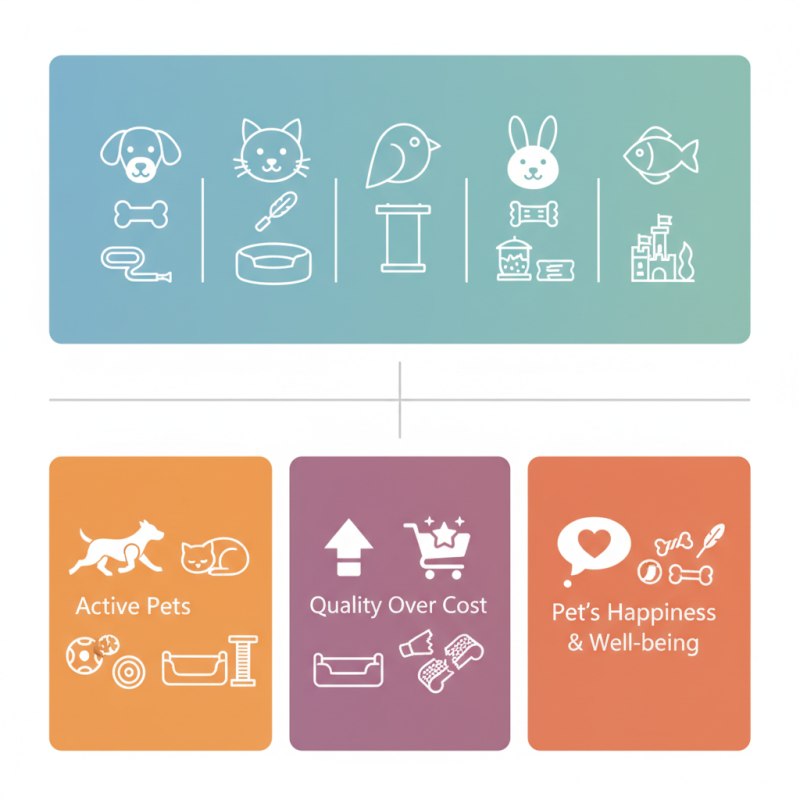
Choosing the right supplies for your pets can be overwhelming. It’s essential to consider your pet's specific needs. Size plays a crucial role. A small pet often needs different supplies than a large one. For instance, a small dog may require a lightweight harness. In contrast, a larger breed needs something sturdy. Additionally, consider their age and activity level. An active puppy has different requirements compared to a senior dog.
Another key consideration is material safety. Pets tend to chew on their toys or bedding. Ensuring that materials are non-toxic is vital for their health. Check the labels when buying supplies. Durability is another factor. Some items may seem appealing but might wear out quickly. For instance, flimsy bowls can easily tip over. Reflect on how often you’ll need to replace items in the long run. Quality often matters more than price.
Lastly, your pet’s behavior should guide your choices. Do they have a tendency to be destructive? If so, opt for tougher products. However, what works for one pet may not suit another. It’s important to observe how your pet interacts with various supplies. This can help in refining your choices over time. Always allow room for adjustments as your pet grows or changes.
Choosing supplies for pets is not a simple task. Each type of pet has unique needs that require careful consideration. For example, dogs need chew toys that promote dental health, while cats often enjoy scratching posts. Understanding these specific preferences ensures that pets stay engaged and healthy.
Fish owners should pay attention to tank size and water quality. A small tank may lead to poor living conditions. Birds, on the other hand, thrive in environments rich with toys and perches. They require space to fly and explore. Different pets also have varying dietary needs, which can be challenging for new pet owners. Nutrition greatly influences their overall well-being.
It’s easy to overlook important details when shopping. Sometimes, the most appealing products aren’t the best for pets. Regularly reassessing supplies can help identify what works and what doesn’t. Monitoring your pet’s behavior is crucial. If a pet loses interest in their toys, it may signify a need for change. Adapting to these needs makes for a happier, healthier pet.
When choosing pet supplies, safety standards are paramount. A report from the American Society for the Prevention of Cruelty to Animals (ASPCA) states that over 10,000 products failed safety tests in recent years. This alarming statistic highlights the need for every pet parent to critically evaluate safety features.
Pay attention to materials. Always check if products are made of non-toxic substances. Look for certifications that indicate compliance with safety regulations. For example, some companies voluntarily follow guidelines set by the ASTM International for pet products. Transparency about sourcing and manufacturing is crucial.
Many pet owners underestimate the potential dangers. Items like toys and bedding can harbor harmful chemicals. A study conducted by the Pet Safe Council found that 25% of pet owners do not consider safety in their purchasing decisions. This oversight can have dire consequences. Pets are curious creatures, often chewing on or ingesting items intended for play.
Always prioritize safety over price or aesthetic appeal. Your pet’s health should never be a compromise.
Choosing the right food and nutrition supplies for your pet can be overwhelming. Studies indicate that 60% of pet owners struggle to select appropriate diets. It's crucial to understand that each species requires specific nutrients. For example, dogs need balanced proteins and carbohydrates, while cats thrive on higher protein diets.
Pet food labeling can be confusing. The Association of American Feed Control Officials (AAFCO) provides definitions, but not all products follow these standards. Many pet foods claim they are "complete" or "balanced," but they might not meet your pet's needs. Regular vet check-ups can help assess your pet's dietary requirements.
Some owners might overlook the importance of life stages in nutrition. Puppies and kittens need different formulations from adults. It's also essential to consider allergies. A report showed that around 20% of pets suffer from food sensitivities. Monitoring your pet's reactions to new food is critical. Document any changes in their behavior or health, as these provide insights into their dietary needs.
| Pet Type | Food Type | Nutrition Supplies | Recommendations |
|---|---|---|---|
| Dogs | Dry kibble | Dog vitamins, joint supplements | Choose high-protein kibbles; look for grain-free options. |
| Cats | Canned wet food | Catnip, omega fatty acids | Opt for high-moisture content; avoid fillers. |
| Rabbits | Timothy hay | Calcium supplements | Provide unlimited hay; introduce fresh greens slowly. |
| Birds | Pellets and seeds | Vitamin supplements | Keep a variety of food types; avoid high-fat seeds. |
| Ferrets | High-protein cat food | Ferret vitamins | Ensure high protein with minimal carbohydrates. |
| Guinea Pigs | Fresh vegetables | Vitamin C supplements | Provide daily vitamin C; avoid high-calcium foods. |
| Reptiles | Life feeder insects | Calcium dust | Diversify with fruits and greens; supplement diets with calcium. |
| Horses | Pelleted feed | Electrolyte supplements | Monitor for weight; ensure good quality hay. |
| Fish | Flake food | Water conditioner | Keep a regular feeding schedule; avoid overfeeding. |
When selecting bedding and accessories for your pets, comfort is key. Different pets have different needs. Cats may prefer soft, plush beds, while dogs often need supportive, durable options. Choose materials that feel good against their skin. Some pets may have allergies, so opt for hypoallergenic materials when possible.
Consider the size of your pet. A small dog might feel lost in a giant bed. On the flip side, a large cat may not find a tiny bed comfortable. It’s essential to find a balance. Accessories like blankets can provide extra warmth but also need to be safe. Avoid small parts that can be chewed off.
Reflect on the functionality of your choices. For example, a washable bed can save you time. Pets can be messy. Sometimes, pets may not immediately take to a new bed. You might need to encourage them with treats or familiar toys. It's okay to make mistakes in this process. Each pet is unique, and learning what works best can take time.
: Practicing mindfulness can reduce stress. It helps improve focus and enhances emotional well-being. Many report better relationships too.
Begin with just five minutes each day. Sit quietly and focus on your breath. Allow thoughts to pass without attachment.
You may feel restless initially. Thoughts might wander often. It’s normal to get frustrated. Just recognize and return to your breath.
There is no perfect way to practice. Simply being aware of your thoughts counts. Notice how you feel after each session.
Yes, it can reduce anxiety. Focusing on the present helps quiet racing thoughts. Some may need more structured guidance though.
Most can benefit from mindfulness. Some may struggle with the practice. It’s okay to seek guidance or take breaks when needed.
Benefits vary by individual. Some notice changes within weeks. Others may take months. Patience is key to this journey.
Many studies link mindfulness to better health. It may lower blood pressure and improve sleep. Personal results can differ.
Practicing with others can enhance motivation. Group sessions might feel more supportive. Yet, individual practice is equally valid.
It's okay if you struggle with stillness. Try walking meditations. Moving while being mindful can be just as effective.
When considering how to choose supplies for different pets, it is crucial to understand their unique needs. Each pet species, whether it's a dog, cat, or small animal, has specific requirements that must be met for their health and well-being. Evaluating safety standards in pet products is also essential to ensure the items are safe for use. Moreover, selecting the right food and nutrition supplies tailored to your pet's dietary needs will support their growth and longevity.
Additionally, choosing comfortable and functional bedding and accessories not only enhances your pet's living space but also contributes to their overall comfort. By taking these essential considerations into account, pet owners can make informed decisions that promote a happy and healthy environment for their beloved companions.

Colourful Pet