As pet ownership continues to rise, finding efficient feeding solutions is crucial. According to a recent report by the American Pet Products Association, 67% of U.S. households own a pet. Within this growing market, the importance of a Timed Pet Feeder cannot be overstated. These devices not only promote regular feeding schedules but also help manage portion sizes. Dr. Emily Perkins, a leading expert in pet nutrition, states, "Timed Pet Feeders offer convenience and control, essential for busy pet owners."
The benefits of using a Timed Pet Feeder are evident. They reduce the risk of overfeeding and help maintain a pet's healthy weight. Moreover, they can alleviate anxiety in pets that are prone to mealtime stress. However, many owners still grapple with the transition to automated feeding. It’s essential to choose the right model, as not all feeders offer the same features or reliability. With the variety of options available, from simple timers to advanced smart feeders, it's vital to consider your pet’s needs. Investing in technology like a Timed Pet Feeder can transform meal times, but some pet owners may still find it challenging to adjust their routines.
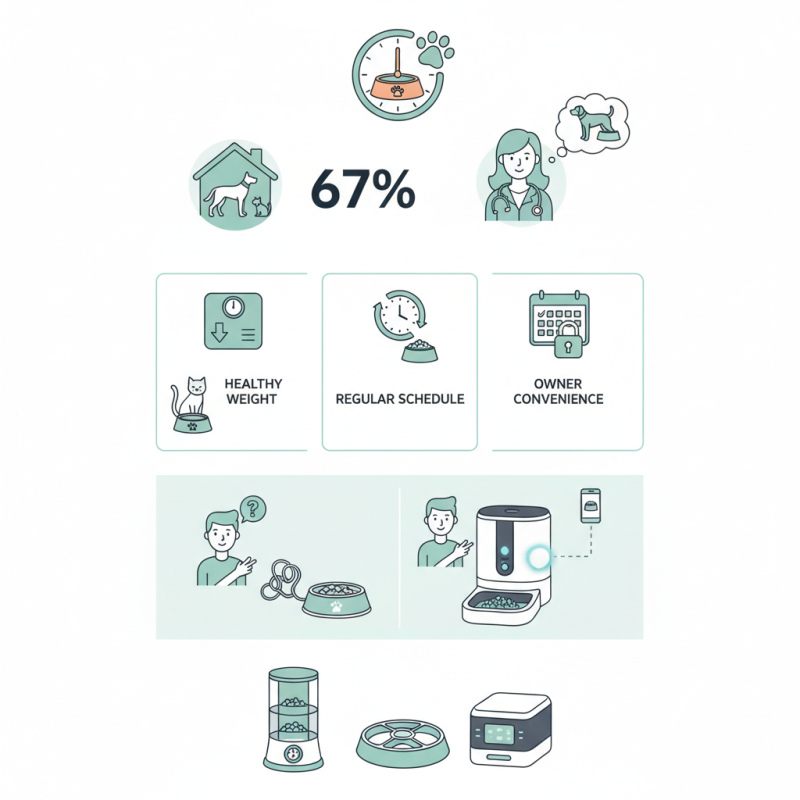
Timed pet feeders are revolutionizing how we feed our furry friends. According to a report from the American Pet Products Association, nearly 70% of pet owners are now looking for innovative feeding solutions. These devices not only regulate meal times but also control portions, benefiting pets' health and weight management.
One major advantage is convenience. Busy pet owners often struggle to maintain a feeding schedule. A timed feeder can dispense food even when you are away. This reduces anxiety for both pets and owners. Moreover, it helps develop a routine, which many pets thrive on. Interesting data from the Association for Pet Obesity Prevention indicates that 56% of dogs and 60% of cats are overweight or obese. Timed feeders can aid in tackling this issue by limiting the amount of food available at each feeding.
However, it's important to reflect on potential flaws. Some pets may learn to manipulate their feeder. They might bark or paw at it to get extra food. Others may not adapt well to automated feeding. This could lead to anxiety or unwanted behaviors. It's essential for pet owners to monitor how their pets respond after switching to a timed feeding solution.
| # | Feeder Type | Capacity | Programmable Meals | Features | Average Price |
|---|---|---|---|---|---|
| 1 | Automatic Feeder | 5 lbs | 3 | Digital Timer, Voice Recorder | $49.99 |
| 2 | Smart Feeder | 10 lbs | 4 | App Control, Camera | $139.99 |
| 3 | Gravity Feeder | 6 lbs | N/A | No Power Needed | $19.99 |
| 4 | Portion Control Feeder | 8 lbs | 6 | Control Portions, LCD Display | $69.99 |
| 5 | Wi-FI Feeder | 12 lbs | 5 | Remote Access, Alerts | $149.99 |
| 6 | Voice Feeder | 4 lbs | 2 | Record Your Voice | $39.99 |
| 7 | Multi-Pet Feeder | 10 lbs | 4 | Multiple Bowls, Share Feed | $89.99 |
| 8 | Deluxe Feeder | 15 lbs | 8 | Premium Build, Large Capacity | $179.99 |
| 9 | Travel Feeder | 3 lbs | 2 | Portable, Battery Operated | $29.99 |
| 10 | Budget Feeder | 5 lbs | 1 | Simplicity | $15.99 |
: Timed feeders automate meal times, ensuring pets get food on schedule. They reduce the owner's workload, especially for busy individuals.
Prices range from $30 for basic models to over $150 for advanced features. Quality often justifies the higher costs for many owners.
Look for programmable meals, portion control, and smartphone connectivity. These features can enhance convenience and improve your pet's eating habits.
Not all feeders function as promised. Some users struggle with setup and programming, leading to frustration with the device.
Introduce the feeder slowly and choose a quiet location. Monitor your pet's behavior to ensure they adapt comfortably to the new device.
Cleaning the feeder weekly is recommended to keep it efficient and hygienic. Regular checks can help avoid any malfunctions due to food buildup.
Some pets may hesitate or feel stressed when switching to a feeder. A gradual introduction helps to ease their anxiety effectively.
Spending more may provide features that add long-term value. However, consider if these features truly meet your needs and your pet's habits.
Start with small portions tailored to your pet's diet. You may need to adjust settings based on your pet's response and eating habits.
Regular checks of the feeder's functionality are crucial. Settings can change on their own, so monitoring ensures it dispenses the right amount of food.
A Timed Pet Feeder offers pet owners a convenient solution for managing their pets' feeding schedules. Understanding these feeders and their benefits can significantly enhance pet care, ensuring that pets receive their meals at the right times, even when owners are busy or away. Key features to consider include programmable settings, portion control, and ease of cleaning, all of which contribute to a better feeding experience.
In the detailed review section, the top 10 Timed Pet Feeders of 2023 are evaluated based on functionality, user-friendliness, and pricing. By comparing prices and overall value, pet owners can make informed decisions tailored to their needs. Additionally, effective setup and usage tips are provided to help maximize the benefits of Timed Pet Feeders, ensuring pets stay healthy and well-fed without the stress of manual feeding.

 Colourful Pet