Pet anxiety is a significant concern for many pet owners. Approximately 15% to 30% of pets experience anxiety, impacting their behavior and wellbeing. Recognizing what supplies help with pet anxiety is crucial for providing comfort. Common signs of anxiety include excessive barking, destructive behavior, and clinginess. These behaviors may stem from loud noises, separation, or changes in routine.
Research indicates that utilizing specific products can alleviate anxiety symptoms. For instance, behaviorists often recommend anxiety wraps, calming toys, and pheromone diffusers. A study found that 70% of pet owners who used calming sprays reported a decrease in their pet’s anxiety. Using these supplies can create a more secure environment for anxious pets.
While many products claim to reduce anxiety, results may vary among different pets. It's essential to assess your pet’s unique needs. Observing your pet is key. Some might respond well to calming music, while others may prefer a safe space. Exploring various supplies ensures a tailored approach to easing your pet’s anxiety effectively.
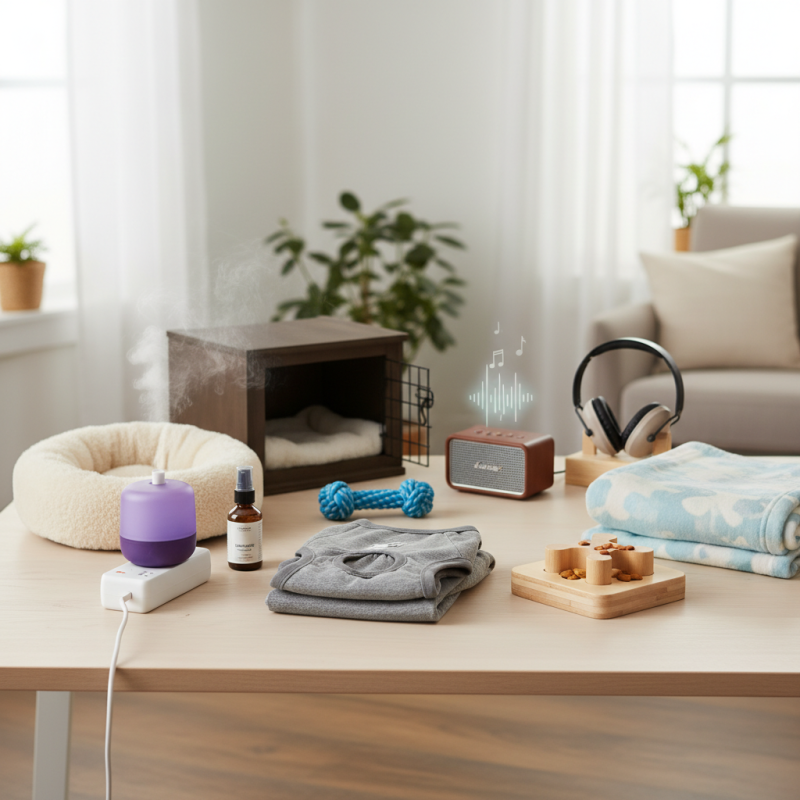
Pet anxiety is a common issue that many pet owners face. Understanding the reasons behind this anxiety can help in finding effective solutions. Pets often experience anxiety due to separation from their owners, loud noises, or new environments. Recognizing these triggers is crucial for addressing their needs.
Symptoms of pet anxiety can manifest in various ways. Some pets may become overly vocal, while others may chew on furniture or engage in repetitive behaviors. Physical signs like panting, trembling, or hiding are also common. Observing these signals helps owners respond appropriately. It's important to create a safe space for anxious pets, allowing them to feel secure when they're scared.
Owners should acknowledge that anxiety management may not be a quick fix. Each pet responds differently to various calming tools. While some pets may find comfort in soothing music or pheromone diffusers, others might benefit from more interactive solutions like puzzle toys. Reflecting on what works for each individual pet will lead to more effective outcomes. It's a process of trial and error, requiring patience and understanding from pet owners.
| Item | Type | Purpose | Effectiveness |
|---|---|---|---|
| Calming Chews | Supplement | Reduce anxiety during stressful situations | High |
| Anxiety Wrap | Wearable | Provide comfort through gentle pressure | Moderate |
| Pheromone Diffuser | Home Product | Calm pets by releasing calming pheromones | High |
| Scented Relaxation Spray | Aerosol | Create a calming environment | Moderate |
| Weighted Blanket | Bedding | Provide a sense of security | High |
| Interactive Toys | Toy | Distract and engage pets | Moderate |
| Calming Music | Audio | Soothing background sound | Moderate |
| Therapy Pet Services | Service | Provide companionship and support | High |
| Calm Balm | Topical | Alleviate stress through scent | Moderate |
| Pet Massage Tools | Grooming | Relaxation through physical touch | High |
: Pets often feel anxious due to separation, loud noises, or new environments. Identifying these triggers helps in managing anxiety.
Look for excessive vocalizing, chewing, trembling, or hiding. Observing these behaviors can help you respond appropriately.
Provide a cozy spot with familiar scents, like your old clothing. A safe space helps them feel secure when scared.
Consistent feeding times and walks give pets a sense of control. However, not every pet will react the same way.
If your pet shows excessive fear or changes in behavior, consider consulting a veterinarian or animal behaviorist.
Yes, soothing music or nature sounds can create a calming environment. Different pets may respond in unique ways, so observe closely.
Signs include persistent anxiety despite your efforts. If anxiety levels remain high, it's best to seek professional guidance.
No, managing anxiety can take time and patience. It's often a process of trial and error to find what works best.
Gentle play can distract your pet and help release their pent-up energy. It provides temporary relief from anxiety.
Each pet is unique, so approaches may vary. Stay open-minded and patient as you find the best solutions for your pet.
Pet anxiety is a common issue that can stem from various causes, including changes in environment, loud noises, or separation from their owners. Recognizing the symptoms is crucial for pet owners to provide the necessary support. There are several natural remedies available to help alleviate the stress our pets may experience. However, what supplies help with pet anxiety are essential for ensuring their comfort and security. Must-have items include calming beds, anxiety wraps, and toys that occupy their mind.
Creating a comfortable environment is also vital to reducing anxiety levels. Owners can implement practical tips for a soothing atmosphere, such as providing a safe space and using calming scents. Nonetheless, if a pet's anxiety persists, it's important to know when to consult a professional. Identifying signs that indicate your pet might need additional help can lead to better management of their anxiety and overall well-being.

 Colourful Pet