Choosing the right supplies for your pet is crucial for their health and safety. According to a recent report from the American Veterinary Medical Association, nearly 60% of pet owners have faced issues with unsafe products. It’s vital to understand how to choose safe supplies for my pet. Dr. Lisa Hartman, a leading pet safety expert, emphasizes, “Not all products are created equal; doing your research can save your pet's life.”
Pet owners often overlook the importance of quality. Not every brand delivers on safety. Many toys and supplies are made with harmful materials that can pose risks. Ingredients in food and treats can also vary significantly. A 2022 study by the Consumer Product Safety Commission revealed that 1 in 10 pet products tested contained toxic substances.
Consider reading labels and researching brands. Look for certifications from recognized organizations. Frequent recalls highlight the need for careful selection. It's disheartening when products meant for our furry friends are unsafe. Perhaps it’s time to reflect on our choices. Prioritizing safety over cost can lead to better outcomes for our beloved pets.
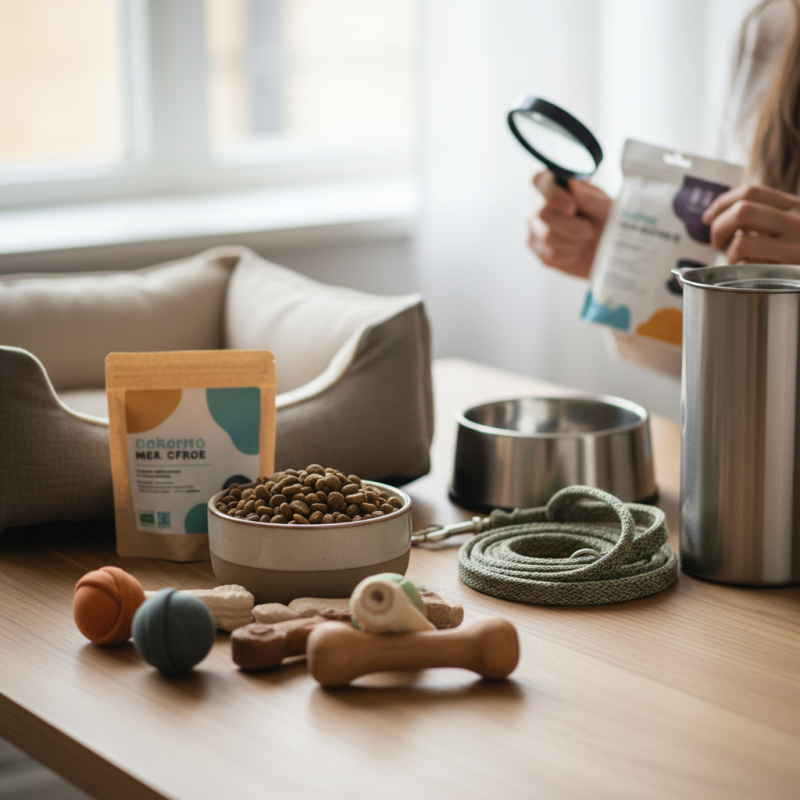
When selecting supplies for pets, safety standards play a crucial role. Understanding these standards helps ensure the well-being of pets. According to the American Veterinary Medical Association (AVMA), nearly 70% of pet-related injuries stem from hazardous supplies. Recognizing this alarming statistic can motivate pet owners to prioritize safety.
Pet supplies should comply with regulations set by the Consumer Product Safety Commission (CPSC) and other relevant bodies. These organizations provide guidelines on materials used in products. For instance, non-toxic materials are essential for toys, collars, and bedding. More importantly, manufacturers must adhere to these standards to avoid harmful substances, such as lead or phthalates.
Moreover, not all products on the market are rigorously tested. The National Animal Poison Control Center reports thousands of cases of toxicity each year linked to common pet supplies. This underscores the importance of thorough research. Engage with reviews and seek recommendations from veterinarians. Paying attention to recalls can protect your pets from dangerous items. It’s worth considering that safety doesn’t always equate to high cost. Sometimes, less expensive options adhere to safety standards just as well.
This bar chart represents the top factors to consider when selecting safe supplies for your pet. The data reflects the importance of each factor based on surveys from pet owners.
When selecting pet supplies, it’s crucial to understand the materials involved. Many products can contain harmful chemicals. A study by the American Society for the Prevention of Cruelty to Animals (ASPCA) indicates that certain plastics can leach toxins. Look for items labeled as BPA-free or made from food-grade materials. These are generally safer choices.
Natural materials often provide better safety profiles. For example, cotton, hemp, and bamboo are non-toxic and biodegradable. Research from the Center for Pet Safety has found that organic materials reduce the risk of allergies and skin irritations in pets. Additionally, ceramics can be safe alternatives to plastic bowls.
Monitoring your pet's response to new supplies is essential. Some pets may have sensitivities to certain materials, even those labeled 'safe.' Keeping a close eye can prevent future discomfort. Always choose products that prioritize transparency in their ingredient lists. This approach protects your pet while making informed choices.
When selecting supplies for your pet, evaluating brand reputation and transparency is crucial. Research indicates that around 70% of pet owners prioritize brand trustworthiness when making purchases. A company that openly shares its sourcing and manufacturing processes often indicates higher quality standards. Look for brands that provide clear information on ingredient sourcing and production practices. Transparency fosters a sense of accountability, ensuring that pets receive safe and healthy products.
Consider the materials used in the supplies. Industry reports show that about 40% of pet owners unknowingly choose products made from harmful substances. Reputable brands often conduct third-party testing. This process verifies that their products meet safety standards. Reading customer reviews can also shed light on potential issues. High ratings may suggest reliability, but even popular items can have undisclosed risks.
Ask questions about the brand’s safety policies and recall history. Information from consumer advocacy groups reveals that brands with a consistent track record of recalls often do not prioritize safety. Evaluating the transparency of a manufacturer provides insight into their commitment to your pet’s well-being. Prioritize brands that value communication, as this reflects their seriousness about accountability and quality in pet supplies.
When it comes to choosing safe supplies for your pet, understanding labels is crucial. Labels contain vital information about ingredients. Look for clear indications of natural or organic ingredients. If a product lists vague terms, such as “by-products,” reconsider your choice. Some terms can be misleading, which can impact your pet's health.
Pay attention to the nutritional information. This section reveals the essential nutrients your pet needs. Ensure the product has adequate protein, fat, and fiber. If you see excessive fillers, it may not be a healthy option. Reading the label thoroughly can save your pet from potential allergies or health issues.
Remember to check for any added preservatives or artificial flavors. These can be harmful over time. Certifications from animal health authorities give an extra layer of trustworthiness. However, not all brands will have them. It’s essential to reflect on your choices and consult with a veterinarian when in doubt. Prioritizing safety and nutrition can enhance your pet's well-being significantly.
When selecting safe supplies for your pet, consulting with veterinarians is essential. Veterinarians possess extensive training and experience in animal care. They understand the unique needs of different species and breeds. According to a survey conducted by the American Veterinary Medical Association, over 70% of pet owners value veterinary advice when making product choices for their pets.
Veterinarians can recommend safe products that suit your pet's specific health conditions. They have insights into potential allergens and harmful ingredients often overlooked by pet owners. For instance, some common household items can cause digestive issues or allergic reactions. In a recent study, 15% of pets suffered adverse reactions to common pet supplies. This emphasizes the need for professional guidance.
Being mindful of your pet’s specific needs is crucial. A product that works well for one pet might not be suitable for another. Furthermore, the safety of ingredients should always be questioned. The more informed you are, the safer your selections will be. However, even with professional advice, the market is constantly evolving, and new products come with unknown risks. Regular consultations can help navigate these changes effectively.
| Tip Number | Tip Description | Consultation Importance | Recommended Frequency |
|---|---|---|---|
| 1 | Research materials used in pet products. | High | Before purchase |
| 2 | Choose age-appropriate supplies. | Medium | For new pets |
| 3 | Avoid toys with small parts that can be swallowed. | High | Always |
| 4 | Check for recalls on pet supplies. | High | Monthly |
| 5 | Opt for non-toxic cleaning supplies for pet areas. | High | Every cleaning |
| 6 | Consult your vet about nutritional supplements. | Very High | Annually |
| 7 | Choose products specifically designed for your pet type. | High | At purchase |
| 8 | Look for third-party certifications on products. | Medium | Before purchase |
| 9 | Consider the durability of pet supplies. | Medium | Periodic checks |
| 10 | Read reviews and feedback from other pet owners. | Medium | Before purchase |
: Consider the materials used in products. Many can contain harmful chemicals.
Yes, look for natural materials like cotton, hemp, and bamboo. They are often safer and biodegradable.
Check for labels saying BPA-free or made from food-grade materials. Trustworthy products are often transparent about ingredients.
Some pets may react to materials labeled as 'safe.' Observing their behavior can prevent discomfort or health issues later.
Look for clear natural ingredients and check for protein, fat, and fiber content. Avoid vague terms like “by-products.”
Veterinarians provide tailored recommendations based on your pet's health. They also help identify common allergens and safe options.
Always question the safety of ingredients, especially preservatives and artificial flavors.
No, not all brands have certifications. Reflect on your choices and consult qualified professionals for guidance.
No, each pet has unique needs. A product that works for one may not work for another.
Regular consultations are beneficial, especially with new products emerging in the market that may carry unknown risks.
When considering how to choose safe supplies for my pet, it is crucial to understand the safety standards that govern pet products. Familiarizing yourself with these standards can help ensure that the items you select meet essential safety criteria. In addition to this, identifying non-toxic materials in pet supplies is vital. Look for products that mention safety certifications and are made from pet-safe materials to minimize health risks.
Evaluating a brand’s reputation and transparency can also guide your choices. Brands that openly share information about their manufacturing processes are often more trustworthy. Moreover, reading labels is essential; understanding key information such as ingredient lists and usage instructions helps in making informed decisions. Finally, consulting with veterinarians can provide valuable insights and personalized recommendations regarding safe supplies for your pet, ensuring their well-being and safety.

Colourful Pet