When it comes to pet supplies, choosing the right items can be overwhelming. According to Dr. Emily Johnson, a renowned veterinarian, "Pet owners often overlook critical details." This highlights the importance of knowing what to avoid when buying pet supplies.
Many pet owners focus on brand names or trendy products. However, not everything marketed as "best" is suitable for your pet. Watching for cheap materials can save you from harmful purchases. Quality is paramount, yet it's easy to get distracted by flashy advertisements.
In addition, convenience can lead to mistakes. Buying supplies in a rush often results in poor choices. Many think they're saving money, but they end up buying twice. Understanding what to avoid when buying pet supplies is essential for your pet's well-being. Remember, informed choices lead to happier and healthier pets.
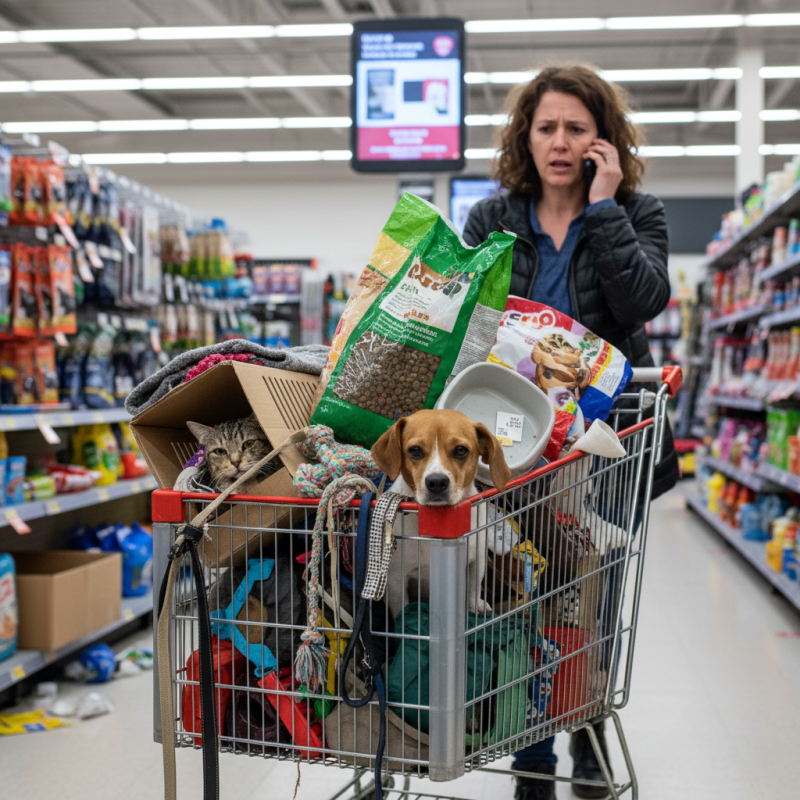
When preparing to buy pet supplies, understanding your pet’s unique needs is crucial.
For instance, every pet requires specific nutrition based on their age and activity level.
According to the American Pet Products Association, over 68% of pets in the U.S. are overweight.
This statistic emphasizes the importance of tailored dietary choices. Not all foods are created equal,
and knowing what works for your pet can make a significant difference in their health.
Tip: Evaluate your pet’s dietary needs. Consult with a vet if unsure.
Proper nutrition is tied to long-term health.
Your pet's lifestyle affects their supply needs too. A high-energy dog may benefit from durable toys that withstand vigorous play.
Conversely, older pets may need calming products to ease anxiety. According to a survey by the Pet Food Institute,
many pet owners purchase supplies impulsively. These decisions often overlook specific needs.
Tip: Make a checklist of your pet's necessities before shopping.
This helps reduce impulse buys. Understand your pet’s habits for better choices.
Remember, observant pet owners can notice patterns in their animals’ behavior and needs.
For example, does your cat scratch frequently? This could indicate a preference for certain textures or
an unfulfilled need for play. Always reflect on your pet’s lifestyle and preferences before making a purchase.
This foresight not only enhances their well-being but also contributes to lasting happiness.
When it comes to buying pet supplies, researching brands is crucial. Not every brand is created equal. Some companies prioritize profits over quality. Others might use misleading marketing tactics. Therefore, always dig deeper than flashy advertisements.
Look for information on ingredient sourcing and production processes. This can reveal a lot about a brand's reliability.
Another important aspect is customer reviews. Often, shoppers share their experiences with products. These insights can reveal common issues. A product may look fine on the surface but could be harmful. Be cautious if you see consistent negative feedback.
A lack of transparency from a brand raises red flags. Lastly, consider longevity and recall history. Newer companies often have less track record. Past recalls can indicate potential problems. A brand with a history of issues may not be worth the risk. Trust your instincts and seek out reliable information.
Buying pet supplies should be a thoughtful process. Always be your pet’s advocate.
When purchasing pet supplies, it’s easy to fall into the trap of buying in bulk. This can seem economical at first glance. However, it’s crucial to consider your pet’s actual usage rates. For instance, if your pet only eats a certain brand of food, bulk buying can lead to waste. You might end up with expired products thrown away.
Examining usage patterns is essential. Track how much of each item your pet consumes weekly. This helps in making informed decisions. For example, if you notice your dog consumes a specific toy quickly, buy it in smaller quantities. It might feel tempting to stock up during sales, but you risk accumulating unused items.
Think about storage and freshness too. Some supplies, like treats, can lose their appeal over time. Buying them in bulk may lead to stale products that your pet won't enjoy. Reflect on your buying habits, and you can save both money and resources. Avoid the clutter of unused supplies; it’s not just about saving money. It’s about making thoughtful choices for your pet's happiness and health.
| Things to Avoid | Reason | Alternative Approach |
|---|---|---|
| Buying in Bulk | Overestimating usage leads to wasted products. | Purchase in smaller quantities first. |
| Ignoring Expiration Dates | Older products can be harmful to pets. | Check expiration before buying. |
| Purchasing Unverified Products | Counterfeit or low-quality supplies can be dangerous. | Research products and read reviews. |
| Overbuying Food | It's easy to miscalculate food consumption. | Use a feeding schedule to determine needs. |
| Buying Non-Specific Supplies | Generic items may not meet pet’s needs. | Select products tailored to your pet’s breed/type. |
| Ignoring Storage Conditions | Improper storage can spoil pet supplies. | Ensure proper storage space and conditions. |
| Not Considering Allergies | Certain materials can cause reactions. | Identify allergens and choose hypoallergenic products. |
| Neglecting to Budget | Costs can accumulate quickly without a plan. | Create a budget specifically for pet supplies. |
| Failure to Understand Quality | Cheap products may not perform as expected. | Invest in high-quality supplies for better results. |
| Skipping Pet Consultations | Experts can guide proper supply choices. | Regularly consult with a veterinarian. |
When buying pet supplies online, many face the risks of unverified sellers. These sellers may offer attractive prices but can be misleading. A shiny website doesn't guarantee quality products. Paying attention to customer reviews can be a challenge. Sometimes, the ratings look good, but they may be fake. Always look for verified purchases to ensure authenticity.
Marketplace risks are prevalent. Even large platforms harbor untrustworthy sellers. A product may seem perfect in descriptions, but it could be subpar. Examine the return policies carefully. Poor policies can complicate returns if the product doesn't meet expectations. A clear communication channel with the seller is also crucial. If they cannot respond promptly, that's a red flag.
Trust your instincts. If something feels off, step back. Your pet's health depends on the supplies you choose. There are always safer options available. Take the time to research and read about potential sellers. You may avoid unpleasant surprises later on. Remember, your pet deserves the best care possible.
When shopping for pet supplies, it's crucial to consider the safety standards of the products you choose. Many generic brands save money on quality, putting your pet at risk. These products often lack the necessary safety certifications, leaving you in a blind spot. You might think you're saving a few dollars, but the potential risks outweigh any savings.
Quality materials matter. Some generic toys can break apart easily, posing a choking hazard. Pet food without clear ingredient sourcing could lead to health issues. When selecting supplies, a closer inspection is essential. Look for products that clearly state their safety protocols. Asking questions about the materials used can also guide your choices.
Keep this in mind: cheap doesn’t always mean good. You may find yourself returning items often. It's frustrating but worth the effort. Instead, invest in quality supplies that ensure your pet's safety. If you're unsure, consider reaching out to fellow pet owners for recommendations. In the end, being cautious with your choices can lead to a happier and healthier pet.
: The article aims to inform readers about specific practices and trends in the industry.
Individuals, businesses, and professionals can gain insights to improve their understanding and practices.
Yes, the article discusses possible risks associated with certain actions or decisions in the industry.
Regular updates are important. Staying current can help avoid outdated strategies.
It’s okay to feel stuck. Seek advice or reflect on what might be going wrong.
Not all tips will suit everyone. It requires personal judgment and flexibility.
Yes, there are examples, but results can vary greatly. Consider your own situation.
Track your progress over time. Use data and feedback to assess changes.
It’s important to reevaluate your approach. Trial and error is part of the learning process.
Yes, the article lists some pitfalls, but recognizing them requires honest self-reflection.
When it comes to purchasing pet supplies, it's essential to understand what to avoid when buying pet supplies to ensure the well-being of your furry friend. First, identify your pet's specific needs before shopping, as different animals have varying requirements. Researching reliable and high-quality pet supply brands is crucial to ensure you make informed choices. Additionally, avoid buying in bulk without considering how quickly your pet will use the products, as this can lead to waste.
Another significant area of caution is steering clear of unverified online sellers, which can pose risks such as subpar products or scams. Lastly, be wary of generic products that may lack essential pet safety standards, as these can compromise your pet's health. By keeping these factors in mind, you can ensure a safer and more effective shopping experience for pet supplies.

Colourful Pet