Properly storing pet supplies is crucial for maintaining their freshness and quality. Many pet owners often overlook this essential task. However, understanding "how to store pet supplies correctly" can lead to healthier pets and better products. Freshness can directly affect your pet’s well-being.
Consider the environment where you keep food. Avoid damp areas that can lead to spoilage. Use airtight containers for dry food; they prevent pests and retain flavor. For treats, reseal packages tightly after opening. It ensures maximum freshness.
Cleanliness plays a significant role in storage. Dust and dirt can compromise the quality of your supplies. Regularly check for expired items or any signs of spoilage. This process may feel tedious, but regular reflection on your storage habits can improve your methods. Ultimately, correct storage is a proactive step toward your pet's health.
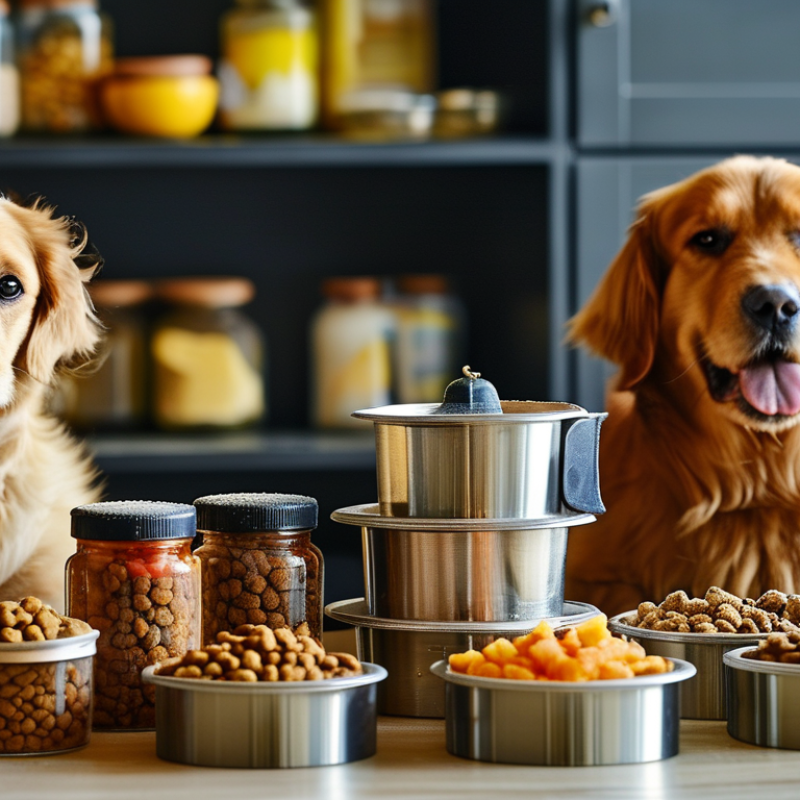
Proper storage of pet supplies is crucial for maintaining their freshness and effectiveness. According to the American Pet Products Association, poorly stored food can lead to spoilage and nutrient loss, impacting your pet's health significantly. For example, dry kibble should be kept in an airtight container, away from humidity and heat. These conditions help to retain essential vitamins and minerals, ensuring that your pet receives the optimal nutrition it needs.
Many pet owners overlook the importance of storage. Some people leave pet food in its original packaging, which can be easily damaged. Research indicates that up to 30% of pet food can become stale or contaminated due to improper storage methods. The type of container used can make a difference. A study from the Journal of Animal Science suggests that specific materials, like glass or food-grade plastic, can prevent off-flavors and odors from developing.
Additionally, treats and medications require special attention. Keeping them in warm, humid areas can lead to spoilage. According to the Pet Food Institute, freshness affects palatability for pets. For instance, a dog may refuse stale treats, impacting training and bonding. Thoughtful organization and proper storage are not just about convenience; they're essential for your pet's well-being.
Choosing the right storage containers for your pet supplies is crucial for maintaining their freshness. Airtight bins are highly recommended for dry food. They prevent moisture and pests from ruining the quality. Consider clear containers to easily monitor supply levels. This transparency helps you avoid running out unexpectedly.
Tips: Always check the seals on your containers regularly. A worn-out seal can compromise freshness. If you notice any signs of spoilage, dispose of the contents immediately. It’s better to be safe than sorry. Invest in a label maker for clear identification of your pet’s supplies.
Plastic bins are a popular choice, but glass containers offer another option. Glass does not absorb odors and can be cleaned thoroughly. However, they are heavier and more fragile. Reflect on your lifestyle and choose what’s practical. Keep in mind the space you have available, as well. Containers should fit comfortably in your designated storage area.
When it comes to storing pet supplies, choosing the right location in your home is crucial for maintaining freshness. A survey by the American Pet Products Association reveals that nearly 70% of pet owners underestimate the importance of proper storage. This oversight can compromise pet food quality and safety.
Ideal storage locations should be cool, dry, and away from direct sunlight. For instance, a pantry or dedicated shelf can be perfect for bagged kibble. Avoid placing pet food near hot appliances, like stoves or radiators. These areas can elevate temperatures, leading to spoilage. Research shows that exposure to heat can decrease the nutritional value of pet food over time.
On the other hand, some pet supplies need different considerations. Items like medications must be stored in a bathroom cabinet away from moisture. Yet, not all storage solutions meet this standard. Many owners leave these products in original packaging, which may not be airtight or moisture-resistant. Pet owners must regularly check expiration dates to ensure the safety of their furry companions. Proper storage not only helps in keeping supplies fresh but also prevents the potential for health hazards.
Keeping your pet food and treats fresh is essential for their health. Proper storage can prevent spoilage and maintain nutritional value. Store dry pet food in a cool, dry place. Use airtight containers to keep out moisture and pests. Keep the original packaging to check expiration dates. If the food has been opened, consider transferring it to a container that will seal tightly.
Treats also require careful storage. They should be kept in a dark and dry environment. Many treats lose their flavor or texture when exposed to air. Ideal storage would be in a sealable bag or container. If your pet has a favorite treat, buying in bulk might tempt you. Just remember, once opened, use them up within a reasonable timeframe to ensure freshness.
Reflect on your current storage habits. Are you using proper containers? Do you have a system to track expiration dates? Small changes can make a big difference in maintaining the quality of your pet supplies. Balancing convenience with freshness will encourage better feeding routines for your beloved pet.
| Supply Type | Storage Method | Optimal Temperature (°F) | Shelf Life |
|---|---|---|---|
| Dry Dog Food | Cool, dry place in an airtight container | 50-70 | 12-18 months |
| Wet Dog Food | Refrigerate after opening in a sealed container | 40-45 | 3-5 days |
| Cat Treats | Store in a cool, dry pantry in a resealable bag | 50-70 | 6-12 months |
| Raw Pet Food | Freeze or refrigerate immediately after purchase | 30-40 (Refrigerate) | 1-2 days (Refrigerated), Up to 1 year (Frozen) |
| Pet Treats (Biscuits) | Store in an airtight container at room temperature | 50-70 | 8-12 months |
Keeping your pet supplies well-organized makes life easier. Start by designating a specific area for all pet items. This can be a corner of a room or a closet. Use transparent bins to store food, toys, and grooming tools. Label each bin clearly. This helps you find what you need quickly.
Consider the frequency of use. Place the essentials, like food and leashes, at eye level. Store seasonal items higher up or in less accessible spots. This way, you won't have to dig through bins when your dog needs a walk or your cat wants to play.
Even with organization, it’s important to reassess your setup periodically. Supplies can pile up or become disorganized again. It’s easy to forget what you have. Take time to sort through items every few months. Discard anything expired or that your pet no longer uses. Keeping things fresh is key to maintaining a happy pet and an efficient space.
: Proper storage maintains freshness and prevents spoilage. It ensures the quality and safety of pet food.
Ideal locations are cool, dry areas, away from direct sunlight. Pantries or dedicated shelves work best.
No, medications should be kept in a bathroom cabinet away from moisture, not with pet food.
Airtight containers keep out moisture and pests. They help maintain nutritional value and prevent spoilage.
Keep treats in a dark, dry place. Store them in sealable bags or containers after opening.
Designate a specific area for supplies. Use transparent bins and label them for easy access.
Regularly check expiration dates and discard expired items. This maintains a healthy environment for your pet.
It's wise to sort through your supplies every few months to prevent clutter and disorganization.
Storing food near heat can spoil it and decrease its nutritional value over time.
Yes, it's important to keep it for expiration dates. However, consider transferring opened food to airtight containers.
When it comes to how to store pet supplies correctly, understanding the importance of proper storage practices is crucial for maintaining freshness and quality. This involves selecting appropriate storage containers that protect pet food and treats from moisture and pests, while also ensuring they are easy to clean. The optimal storage locations in your home, such as cool and dry areas away from direct sunlight, can significantly enhance the lifespan of your supplies.
Additionally, incorporating tips for maintaining freshness—like sealing items tightly and checking expiration dates—helps in preventing spoilage. Finally, organizing pet supplies in a manner that allows for easy access and use not only makes mealtime more efficient but also fosters a more enjoyable experience for both you and your pet. By adopting these strategies, pet owners can ensure their supplies remain fresh and readily available.

Colourful Pet