In the quest for a happy life, pet owners often ponder: "What supplies do pets really need?" It’s more than just food and water. Pets thrive on love, engagement, and a safe environment. They require essentials that foster their physical and emotional well-being.
Basic supplies might include high-quality food, comfortable bedding, and proper toys. Yet, what if these items aren't enough? Many pets need social interaction too. Neglecting this can lead to anxiety or behavioral issues. Pet owners might sometimes overlook the mental stimulation their pets desire.
Moreover, each pet has unique needs. A small dog differs from a large cat. Can we genuinely understand what they require? It's often a reflection of our knowledge and commitment. Providing the right supplies is crucial, but so is being mindful of our pets' individual personalities and preferences.
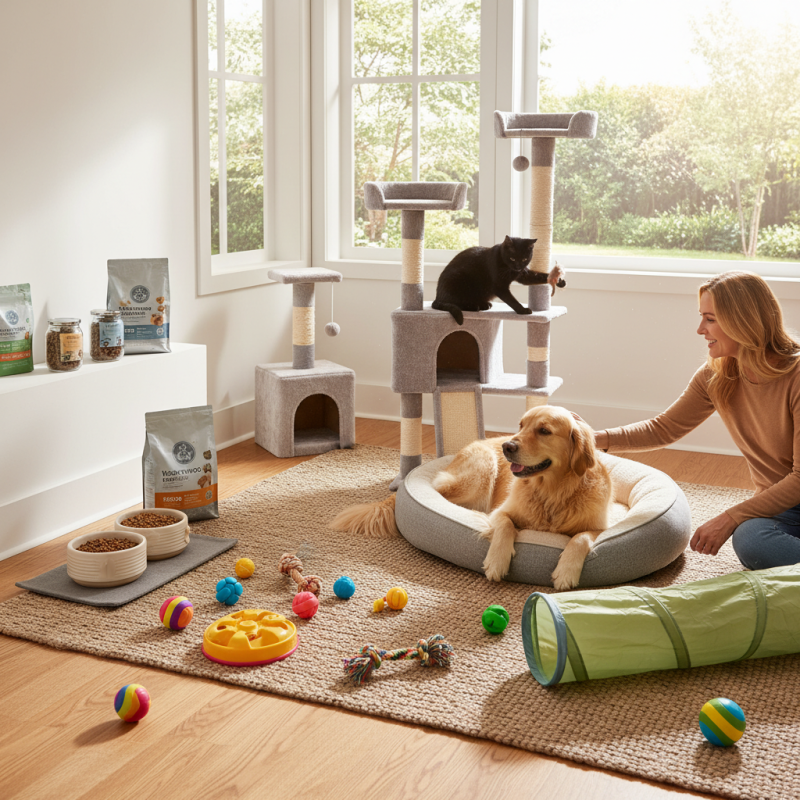
Ensuring your pet's well-being starts with their nutritional needs.
Pets require balanced diets rich in vitamins and minerals. Fresh water should always be available.
Without it, pets can become dehydrated and lethargic.
Quality protein is vital for growth and energy.
Meat, fish, and plant sources all provide necessary nutrients.
Some pets have specific dietary needs. It’s crucial to be aware of allergies or sensitivities.
A lack of attention here can lead to health issues.
Incorporating fruits and vegetables can enhance a pet's diet.
Certain produce offers antioxidants and fiber. Yet, not all foods are safe.
Research which ones are beneficial and which are harmful.
Striking the right balance in diet is sometimes challenging.
Monitoring your pet’s response to food changes can reveal a lot.
Choosing the right bedding and housing for pets is crucial for their comfort. Pets need a safe space that feels like home. A cozy bed can make a dog or cat feel secure. It should be the right size. Too small or too large may leave them uncomfortable.
Material matters too. Soft fabrics can provide warmth. Some pets prefer cooler surfaces. Always observe your pet’s behavior. A bed they ignore may need replacing. Housing options also vary. Cats often enjoy elevated spaces, while dogs may need more ground space.
Reflect on your pet's habits. Do they like to burrow or sprawl out? Noticing these preferences helps in choosing the right setup. Many pet owners overlook the importance of an appealing area. Adding blankets or toys can enhance the environment. A little thought can go a long way toward making your pet happy.
| Pet Type | Recommended Bedding Material | Ideal Housing Type | Safety Features |
|---|---|---|---|
| Dogs | Memory Foam | Dog Crate | Non-Tip Design |
| Cats | Cotton and Fleece | Cat Condo | Secure Perches |
| Rabbits | Hay and Cloth | Rabbit Hutch | Ventilation Grilles |
| Guinea Pigs | Fleece Liner | Cage with Multiple Levels | Secure Latches |
| Birds | Soft Nesting Material | Bird Cage | Safe Perches |
Grooming is essential for pet health and happiness. A well-groomed pet feels more comfortable and confident. Regular brushing removes loose fur, dirt, and dander. This helps prevent matting and skin issues. Nail trimming is also vital. Overgrown nails can lead to pain for pets. When nails are too long, they can interfere with walking.
Tips: Establish a grooming routine. Start with short sessions to build trust. Use gentle tools that suit your pet's coat type. For cats and some small dogs, a fine-toothed comb works wonders. Some pets may resist grooming, so patience is key. Understand their signals. If they growl or try to escape, take a break.
Baths are another crucial aspect. However, not all pets require frequent baths. Over-bathing can strip natural oils from their skin. Use lukewarm water and pet-approved shampoo. Rinse thoroughly to avoid irritation. After bathing, check for any unusual lumps or bumps during towel drying. Regular grooming helps catch potential health issues early, leading to a happier, healthier life for your beloved pet.
Interactive toys are essential for your pet’s well-being. Studies show that regular physical and mental stimulation can reduce anxiety in pets by up to 50%. These toys encourage playful interactions and keep pets engaged. Cats and dogs, in particular, thrive on challenges that stimulate their instincts.
Effective interactive toys can help strengthen your bond with your pet. Simple activities like puzzle toys or treat dispensers can be very rewarding for them. They make pets think and problem-solve. This is crucial for their mental health. A bored pet may develop destructive habits. It’s often a sign they need more stimulation.
Tips: Rotate toys weekly to keep things fresh. Introduce new challenges gradually. Observe your pet’s reaction. Some toys may not capture their interest. That’s okay — it takes time to find what they enjoy. Engaging with your pet using these toys can foster a happier, healthier life.
Routine veterinary care is crucial for your pet's well-being.
Regular check-ups help catch health issues early. A quick visit can reveal hidden problems. Your vet can recommend vaccinations,
dental care, and diet adjustments. Each pet has unique needs, so tailor their care accordingly.
Pay attention to your pet's diet and exercise. Many pets struggle with obesity, affecting their quality of life. Choose appropriate food
and encourage playtime. Regular exercise keeps them happy and healthy.
However, not all owners recognize signs of inactivity. This is an area for improvement in pet care.
Owner education is vital. Many pet owners overlook important aspects of care. Perhaps you haven't considered flea prevention or dental hygiene in depth. Understanding these needs can make a difference. Reflect on your pet's health and happiness regularly.
: Think about your goals. Define your audience. Assess available resources. Plan for unexpected issues as well.
Use a calendar for scheduling tasks. Break tasks into smaller steps. Assess how long each task will take.
Miscommunication often occurs. Different work styles can clash. It's critical to find common ground to move forward.
Set small, achievable goals. Remember your past successes. Surround yourself with supportive people. Reflect on your reasons.
Analyze what went wrong. Identify lessons learned. Adjust future plans accordingly. Acknowledge that failure is part of growth.
Listen actively to understand the perspective. Reflect on the feedback given. Determine if changes are beneficial. Don't take it personally.
In the pursuit of ensuring a happy life for our pets, it is essential to consider what supplies do pets really need. Fundamental nutritional requirements stand at the forefront, emphasizing a balanced diet tailored to each pet's specific health needs. Alongside food, providing comfortable bedding and secure housing is crucial for creating a safe environment where pets can relax and feel at home.
Additionally, maintaining pet health requires essential grooming tools that help keep coats clean and skin healthy. To engage pets both physically and mentally, interactive toys are vital, promoting play and stimulating their minds. Finally, routine veterinary care plays a significant role in preserving pet health, ensuring they remain happy and well-cared for throughout their lives. Each of these supplies contributes to the overall well-being of pets, making them essential for any responsible pet owner.

Colourful Pet