Pets can often show fear or anxiety towards new supplies. This raises the question, "Why is my pet scared of new supplies?" Dr. Emily Turner, a renowned animal behaviorist, highlights this issue by stating, "Pets thrive on routine, and new items can disrupt their sense of security."
When faced with unfamiliar objects, pets may react with fear. The unfamiliar scent, sight, or texture can trigger their instinct to be cautious. For instance, a simple cardboard box can seem like a monstrous entity to a timid dog. Understanding this behavior is crucial for pet owners.
Creating a safe introduction to new supplies is vital. Gradual exposure can help buildup trust. However, it is essential to recognize that not every pet will respond the same way. Sometimes, despite our best efforts, we may not fully understand their feelings. This reflection encourages us to stay patient as we support our pets through their fears.
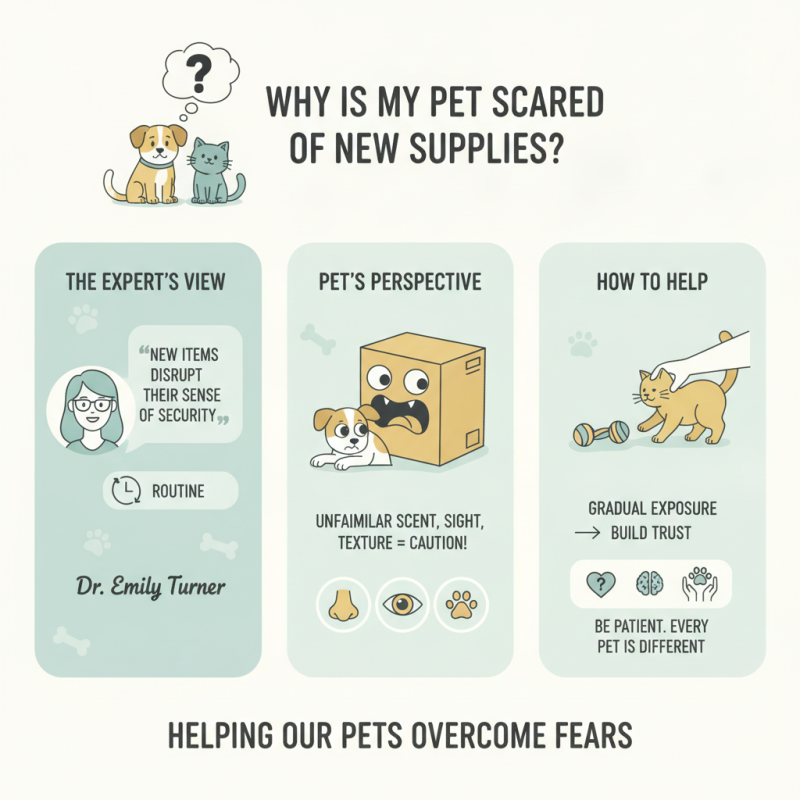
Understanding why pets fear new supplies can be crucial for their well-being. Pets often rely on familiarity for comfort. New objects in their environment can evoke anxiety. This reaction may stem from instinctual behaviors. In the wild, unfamiliar items can represent danger or threats.
When introducing new supplies, observe your pet's reactions. Some may freeze, while others might hide. These behaviors indicate fear and uncertainty. It's essential to approach the situation with patience and empathy. Gradual exposure can help. Allow your pet to sniff or explore the new items at their own pace. This helps build trust and familiarity.
Creating a positive association is important. Use treats or playtime when they engage with the new supplies. Avoid pushing them too hard. This could worsen their anxiety. Over time, with careful guidance, your pet may learn that new items are not threatening. Understanding and patience can transform their fear into curiosity.
This bar chart represents the percentage of pets, such as dogs and cats, that exhibit fear toward different types of new supplies. According to observations, the highest fear level is associated with litter boxes and furniture, indicating that some pets may require extra time and positive reinforcement to acclimate to new items in their environment.
Pets can react fearfully to new supplies for several reasons. They might find unfamiliar scents overwhelming. A new toy or bed can carry smells from the factory or previous owners. These scents confuse pets, making them anxious. Additionally, the object’s appearance can also cause alarm. Sometimes, bright colors or unusual shapes might startle them.
Another common reason is the noise that new items can generate. A box being opened or plastic wrappers crinkling may unsettle a sensitive pet. Movement and sudden changes in their environment can trigger a flight response. Pets are creatures of habit. Anything new disrupts their sense of safety and routine.
To help your pet feel more comfortable with new supplies, introduce them slowly. Allow your pet to investigate the item at their own pace. Encourage exploration with calm and soothing words. Patience is crucial. Some may take longer to accept new items than others. Recognizing these reactions is a step towards building trust and easing their fears.
Pets can be sensitive to new supplies, and this fear can manifest in various ways. You might notice your pet hiding or avoiding the area where new items are placed. If your dog or cat suddenly becomes less playful or more withdrawn, these changes could indicate fear. Signs of stress can also include excessive barking or meowing, pacing, or even destructive behavior.
Physical signs are also common. Look for flattened ears or a tucked tail in dogs. Cats may crouch low, leap away, or try to escape. If your pet is licking their lips frequently or shaking, those are clear signals of anxiety. Understanding these signs helps you respond effectively.
Introduce new supplies gradually. Allow your pet to explore at their own pace. Offer treats or toys nearby to create a positive association. With patience and empathy, you can help your pet feel more comfortable. Noticing these signs is crucial in providing the right support for your furry friend.
New supplies can be intimidating for pets. They might see new toys, beds, or even food and feel anxious. This reaction often stems from their instinct to be cautious. Pets are creatures of habit. Sudden changes in their environment can trigger fear. A loud noise or unfamiliar smell may also make them uneasy.
To help your pet adjust, create a gradual introduction process. Start by letting your pet explore new items at their own pace. Allow them to sniff and investigate without pressure. If they seem hesitant, give them space. It’s important to observe their reactions. Some pets may warm up quickly, while others take time. Be patient.
Consider using positive reinforcement. Encourage your pet with treats or praise when they interact with new supplies. Create a positive vibe around the item. This approach may help build a positive association. Sometimes, a familiar blanket or toy can ease their anxiety. It offers comfort and security. As you implement these strategies, monitor your pet’s behavior and adjust as needed. Communicating with your pet can be challenging. It requires attention and understanding of their needs.
If your pet shows signs of anxiety around new supplies, it's crucial to understand when to seek professional help. Pets are sensitive creatures. They often respond to changes in their environment with fear or stress. For instance, a new crate or grooming tools may create anxiety. It can lead to behaviors such as hiding, excessive barking, or destructive actions. These signs indicate that your pet is overwhelmed.
If you notice persistent anxiety, consider contacting a veterinarian or an animal behaviorist. They can assess your pet’s behavior and offer guidance specific to their needs. You might also evaluate the stressors in your pet's life. Changes in routine or environment can contribute to stress levels. Professional guidance can offer insights on whether these changes are temporary or require deeper intervention.
Behavior modification techniques can help. However, if your pet is unresponsive to these methods, professional support becomes essential. Seeing a specialist can provide you with effective strategies tailored to your pet. Remember, seeking help is a sign of responsible pet ownership. Your pet depends on you to ensure their well-being in every situation.
: Pets often rely on familiarity. New items can trigger anxiety, representing danger or threats.
Pets may freeze or hide when encountering new supplies. These behaviors show fear and uncertainty.
Gradual exposure is key. Let your pet sniff or explore new supplies at their own pace.
Be patient and empathetic. Pushing them too hard could increase anxiety and worsen the situation.
Unfamiliar scents from toys or beds can confuse pets, making them feel anxious or scared.
Yes, bright colors or unusual shapes might startle them and trigger fear.
Noises, like crinkling or opening boxes, may unsettle sensitive pets and provoke anxiety.
Use treats or play when your pet engages with the items. This can help lessen their fears.
No, some pets may accept new supplies quickly while others take more time. Individual reactions vary.
Yes, recognizing that some pets may need more time is essential. Each pet has their pace in adapting.
In addressing the question, "Why is my pet scared of new supplies?", it's important to understand the various factors contributing to their anxiety. Pets often react to new items due to their instinctual nature; unfamiliar objects can be perceived as threats. Common reasons for this fear include lack of socialization, negative past experiences, or simply the surprise element of new scents and appearances.
Signs that indicate your pet is afraid can range from hiding and trembling to excessive barking or growling. To help your pet adjust, implementing gradual introductions, positive reinforcement, and creating a safe space can be effective strategies. However, if your pet's anxiety persists or worsens, it may be time to seek professional help to ensure their emotional well-being. Building trust and patience is key in helping your furry friend feel secure with their environment.

Colourful Pet