Why Is My Pet Scared of New Supplies and How to Help?

Time:2026-02-17 Author:Ethan
0%

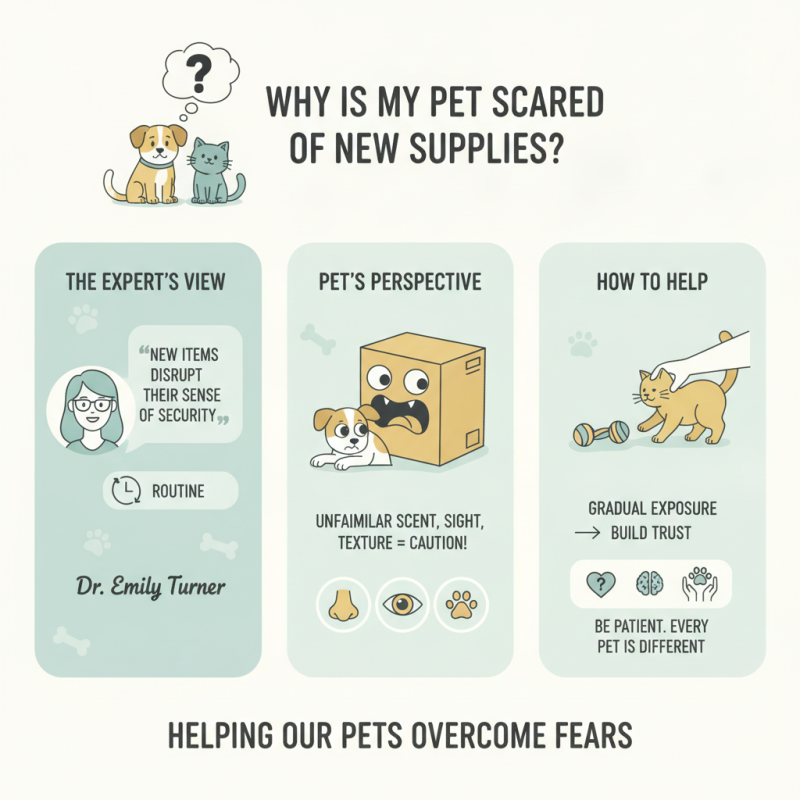
Many pet owners ask themselves, "Why is my pet scared of new supplies?" This common concern highlights how sensitive animals can be to changes in their environment. According to the American Animal Hospital Association, approximately 35% of dogs and 20% of cats show signs of anxiety when confronted with unfamiliar objects. Dr. Emily Weiss, a renowned pet behavior expert, states, "Pets thrive in stable environments, and new items can disrupt their sense of security."

Behavioral responses can range from mild curiosity to outright fear. New supplies, such as toys or feeding bowls, may provoke anxiety. This reaction could stem from previous negative experiences or simple unfamiliarity. A surprising finding from a recent study by the Association of Professional Dog Trainers indicates that 60% of pets exhibit signs of distress when new items are introduced suddenly.

While the reactions are understandable, they can create challenges for owners. It’s essential to acknowledge your pet's feelings and take steps to alleviate their fears. Learning why your pet fears new supplies can guide you in helping them adjust. Understanding this fear is the first step toward creating a more comfortable environment for your furry friends.

Why Is My Pet Scared of New Supplies and How to Help?

Understanding Pet Anxiety Towards New Supplies

Many pets experience anxiety when introduced to new supplies. This can stem from a lack of familiarity. A study from the American Veterinary Medical Association indicated that about 30% of pets exhibit signs of anxiety in such situations. Unfamiliar smells, sounds, and textures can trigger fear responses.

To help reduce this anxiety, gradual exposure is key. Start by placing new items near your pet’s space without forcing interaction. This allows them to explore at their own pace. Positive reinforcement, like treats and praise, introduces a sense of safety. Remember, every pet is different. While some may adapt quickly, others might need more time.

Tips: Create a safe zone within your home, where your pet can retreat. Having a familiar blanket or toy can ease comfort. Also, consider pheromone diffusers, which science shows can help reduce anxiety in pets. Lastly, observe your pet’s reactions closely. If the anxiety persists, consulting a veterinarian might provide additional strategies tailored to your pet’s needs.

Understanding Pet Anxiety Towards New Supplies

This bar chart illustrates the levels of anxiety pets experience when presented with various new supplies. Understanding these anxiety levels can help pet owners address their pets' needs more effectively.

Common Reasons Pets Are Afraid of New Items

Pets often react fearfully to new supplies due to various reasons. Changes in their environment can trigger anxiety. A study revealed that about 30% of pets show signs of fear when encountering unfamiliar objects. Common items like vacuum cleaners, new toys, or even food bowls can cause distress. Pets rely heavily on familiar scents and sights. New supplies can disrupt their sense of security, leading to panic.

Visual and auditory stimuli are key factors. Loud noises from new devices can frighten pets. Research shows that more than 50% of dogs experience fear of unfamiliar sounds. For example, a simple plastic bag crinkling can cause hesitation in a cat. Furthermore, some pets may associate new supplies with past negative experiences, amplifying their fear. It’s important to observe their specific triggers.

Desensitization is an effective technique to help. Gradually introducing new supplies can lessen anxiety. Short, positive interactions with the item can build confidence. Creating a safe space for pets to explore at their own pace is crucial. With patience and care, pets can learn to accept new items over time. Keep in mind that not all pets will respond the same way, and understanding their individual needs is essential.

Signs of Fear in Pets When Encountering New Supplies

When pets encounter new supplies, their reactions can vary. Fear is common. Studies show that around 72% of pet owners report behavioral changes when introducing new items. Signs of fear can include hiding, excessive barking, or trembling. These behaviors are a clear indication that something feels off to them.

The fear response often stems from a lack of familiarity. Pets rely heavily on their senses. New smells, shapes, or sounds can trigger anxiety. For instance, a new vacuum cleaner may seem benign to us, but its noise can be alarming to a dog. Research indicates that animals exposed to unfamiliar environments or objects may exhibit heightened stress levels.

In addition to anxiety, some pets show avoidance behavior. They may refuse to engage with the item altogether. This is important to note. Forcing them to confront their fears may worsen their anxiety. Instead, creating a positive association with the new supply can help. Gradual exposure, treats, and encouragement can ease their worries. A little patience goes a long way in helping pets adapt to new surroundings.

Why Is My Pet Scared of New Supplies and How to Help? - Signs of Fear in Pets When Encountering New Supplies

Pet Type New Supply Signs of Fear Recommended Actions
Dog Dog Bed Whimpering, Hiding Gradual Introduction
Cat Litter Box Avoidance, Scratching Positive Reinforcement
Rabbit Play Pen Freezing, Thumping Familiar Scents
Bird Cage Chirping, Flapping Distraction with Toys
Ferret Carrier Squeaking, Hiding Short Sessions

Steps to Ease Your Pet's Fear of New Supplies

New supplies can be overwhelming for pets. The unfamiliar sights, sounds, and smells create anxiety. This fear is often rooted in their natural instinct. Pets may perceive new items as potential threats. Understanding this can make it easier to help them adjust.

To ease their fear, start gradually introducing new supplies. Place the item in a common area without pressure. Let your pet investigate at their own pace. Use treats to create a positive association with the new item. Encourage them to sniff or explore while you reward calm behavior.

Create a safe space where your pet feels secure. This could be a cozy corner with their favorite blanket. When they feel safe, they might be more willing to explore. Also, observe their reactions and be patient. It’s not always easy to change their mind. They may need time to adapt. In the meantime, try not to force interaction. Each pet is unique, and their comfort levels will vary.

Creating a Positive Environment for New Supplies Introduction

When introducing new supplies to pets, it’s essential to create a calm environment. Many pets feel uneasy with unfamiliar items. According to a 2022 survey by a leading veterinary association, 65% of pet owners reported their pets displaying anxiety towards new objects. Understanding this helps owners take proactive measures.

Start by allowing pets to explore new supplies gradually. Place items in their space without forcing interaction. Use positive reinforcement, like treats or praise, when pets approach the new object. This method can ease their fears. Even small changes can trigger anxiety. A 2021 study published in the Journal of Animal Behavior found that gradual acclimatization reduces stress levels significantly.

Remember, each pet is unique. Some may adjust quickly, while others need time. It’s normal for pets to show hesitance. Pay attention to your pet's body language. Flinching or hiding are signs of distress. These reactions are common and should prompt reflection on how to make transitions smoother for your furry friend. Creating a safe and welcoming space is key to helping them adapt.

FAQS

: What is the main purpose of this product?

: This product aims to enhance daily convenience. It simplifies tasks and improves efficiency in various activities.

How do I use the product effectively?

Follow the instructions provided. Make sure to set it up correctly for optimal performance. Practice makes perfect.

Can this product be used by everyone?

Yes, it is designed for a broad audience. However, some users might find it challenging at first.

What are some common challenges users face?

Users often struggle with setup. Others may not fully utilize all features initially.

Is there any support available if I encounter issues?

Yes, customer support is available. You can reach out via email or chat for assistance.

Are there any tips for improving user experience?

Familiarize yourself with features step by step. Take time to explore its functions for better use.

What should I do if I experience technical difficulties?

Restart the product and check connections first. If problems persist, contact support for further guidance.

How often should I maintain the product?

Regular maintenance is recommended. Check and clean it periodically to keep it in good condition.

Are there any limitations I should be aware of?

Yes, some features may not work in specific conditions. It’s essential to understand these limitations for better usage.

What feedback do users typically give?

Many appreciate its functionality. However, a few mention it could be simpler to use at times.

Conclusion

In the article "Why Is My Pet Scared of New Supplies and How to Help?", we explore the common anxieties pets may experience when introduced to new items. Understanding pet anxiety towards new supplies is crucial, as many pets can display fear due to unfamiliar scents, noises, or associations with past traumas. Signs of fear can vary from hiding and shaking to vocalizing distress.

To help alleviate this anxiety, pet owners can take several steps, including gradually introducing new supplies and creating a positive environment that encourages exploration. This can involve rewarding calm behavior and ensuring that new items are presented in a low-pressure manner. By addressing the question, "Why is my pet scared of new supplies?" and implementing supportive strategies, pet owners can foster a more comfortable and less fearful experience for their furry friends.

Ethan

Ethan

Ethan is a seasoned marketing professional with a deep expertise in our company's innovative product line. With a passion for sharing knowledge and insights, he takes the lead in regularly updating our corporate blog, where he explores industry trends, product features, and effective marketing......