Pet supplies should feel clean before buyers ever use them. A faint odor from bedding, collars, toys, or storage bins can suggest poor material quality. It may also reduce trust in an otherwise reliable brand. Learning how to keep pet supplies odor-free begins with identifying the real source, not covering it with perfume.
Veterinarian and pet-care expert Dr. Marty Becker has emphasized a practical principle: “The best way to deal with pet odors is to find and treat the source, not simply cover it.” This advice matters for manufacturers, retailers, and buyers. Odor can come from trapped moisture, skin oils, food residue, packaging, or poorly dried fabric. A sealed box may hide the smell temporarily. It will not remove it.
Small details make a difference. Wash fabric products according to their care instructions, then dry them completely. Inspect rubber toys for saliva trapped inside seams. Store unused supplies in a cool, ventilated area. Keep litter tools, feeding mats, and bedding away from damp floors. Choose mild, pet-safe cleaning products, and avoid strong fragrances that may irritate sensitive animals.
The process is not perfect. Some materials absorb odor faster than others. A product may appear clean while its inner padding remains damp. Buyers should check seams, labels, and storage conditions instead of trusting appearance alone. Sellers should explain cleaning limits clearly and avoid promising permanent freshness. Honest care guidance builds stronger confidence than exaggerated claims. That is the foundation of lasting product quality.
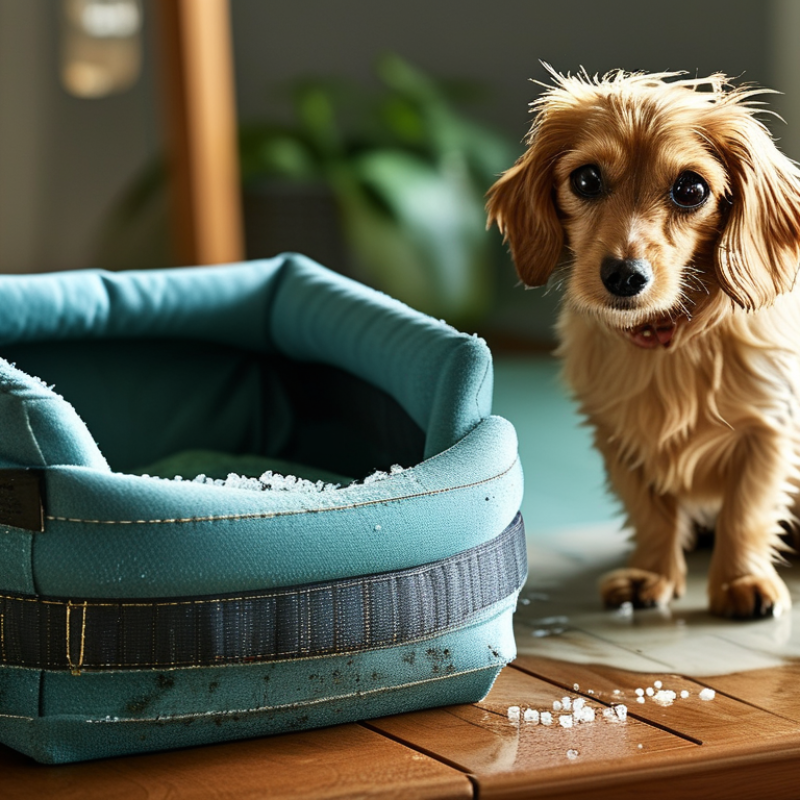
Pet supplies rarely smell without a reason. In my cleaning work, odor usually starts with residue, moisture, or poor airflow. Food bowls may hold a thin film of oils and proteins after rinsing. That film can smell sour by the next morning. Chew toys collect saliva, food particles, and skin oils in small grooves. Fabric beds are more difficult. Fur, dander, and spilled water sink below the surface, where drying takes longer. Damp fibers create conditions for odor-producing microorganisms. A warm room makes this process faster. Even a clean-looking item can hide a problem. Look closely.
Urine is another frequent cause, especially in mats, carriers, and fabric liners. Its smell can return when humidity rises because trapped compounds become noticeable again. Plastic can also retain odors if scratches hold residue. Closed storage adds another issue. Supplies packed away before complete drying may develop a stale, musty smell. Detergent buildup sometimes worsens the problem; fragrance can cover odor without removing its source. I learned this after storing a washed blanket too soon. It felt dry outside, but the inner padding was still cool and damp. That mistake changed my routine. I now check seams, corners, zippers, and undersides before storage. Manufacturers and quality teams should examine material porosity, drainage, and ventilation during product testing. Odor control begins by identifying what entered the item, where moisture stayed, and how long residue remained.
Odor control starts with the material, not the cleaning routine. In my experience, stainless steel bowls resist lingering smells better than scratched plastic. Smooth silicone can also work well when it has no deep grooves. Choose washable fabrics with tight weaves for beds and travel mats. Loose fibers trap saliva, damp fur, and food particles. Smell travels fast.
Before buying, inspect seams, corners, and removable covers. These small areas often stay wet after washing. A product may look clean but still hold odor inside its padding. I once overlooked a zipper lining, and the bed smelled again within days. That mistake changed my checking routine. Materials matter, but construction matters too.
Use a mild, unscented cleaner designed for surfaces that pets contact. Follow the product directions carefully, and rinse bowls, toys, and mats completely. Avoid mixing cleaning products, especially those containing strong acids or bleach. Residue can irritate paws, mouths, or sensitive noses. Test a small hidden area first. Never assume “natural” means harmless. Some essential oils can be unsafe for pets. After washing, dry every item fully in moving air. Dampness invites bacteria and stale odors. Hot sunlight helps fabrics dry, but excessive heat may damage coatings or weaken seams. I still check each item by touch before returning it to the pet’s space.
Pet supplies can smell stale when moisture, fur, and food residue stay trapped in small spaces. A regular cleaning routine protects product quality and gives buyers a better first impression. I inspect bowls, beds, toys, leashes, and storage bins before cleaning. Cracked plastic or torn fabric may hold odor beyond safe cleaning.
I remove loose hair and debris, then wash each item with warm water and a mild cleaner suitable for its material. Fabric items need careful washing around seams and padding. Hard surfaces require attention to corners, handles, and chew marks.
Disinfect only after visible dirt is gone. I follow the product label’s contact time and never mix cleaning chemicals. Test a small area first.
Drying matters more than many sellers expect. I place supplies on clean racks with space between each item, allowing air to reach both sides. Fans can help, but I avoid packing anything while it feels cool or damp. Sunlight may help some materials, yet strong heat can damage rubber, foam, or dyed fabric.
I once stored a set too early, and the odor returned within days. That mistake changed my routine.
After drying, I check each item by smell and touch, then store it in a clean, dry area away from litter, food, and damp floors. Fresh air helps.
Pet supplies develop odor when moisture stays trapped around fabric, rubber, or food residue. The U.S. Environmental Protection Agency recommends indoor relative humidity between 30% and 50%. Above that range, mold risk increases. A storage room can feel dry while a damp leash or wet toy remains sealed inside a bin.
The CDC’s Healthy Pets guidance recommends cleaning food and water bowls daily and washing pet bedding regularly. Follow that rhythm for washable accessories, too. Rinse collars, harnesses, mats, and toys before storage. Dry every seam completely. I once stored a slightly damp rope toy overnight. The smell returned within days. That small mistake changed my process.
Tips: Use ventilated containers for dry items. Keep bedding off concrete floors. Add a washable moisture indicator near the supplies. Inspect corners weekly, especially during humid weather. Do not mask odor with fragrance. It may hide bacterial buildup rather than remove it. The 2023–2024 APPA National Pet Owners Survey estimates that 66% of U.S. households own a pet, so storage systems must handle frequent use. Still, a perfect routine is unrealistic. Some materials hold odor longer than expected. Replace cracked rubber or permanently sour fabric instead of storing it again.
Persistent odor needs more than another wash. Inspect each item after cleaning and complete drying. Check fabric beds, rubber mats, collars, and scratching posts closely. A sour, ammonia-like, or damp smell may return when the material becomes warm. That often indicates odor has entered the padding, seams, or porous surface.
I once approved a washable pet bed because it looked clean. The smell returned the next morning. That decision was too optimistic. Now, I press the padding, inspect hidden stitching, and place supplies in a clean, ventilated room for several hours.
If the odor returns after proper washing and drying, replacement is usually more reliable than repeated treatment. Keep records of recurring defects, especially in soft products with thick fillings. Buyers deserve supplies that remain neutral-smelling during normal use.
Tips: Use unscented cleaning products and follow the care label. Avoid covering odors with strong fragrances. Compare the item’s smell before and after drying. Replace cracked rubber, swollen foam, or permanently musty fabric. Store clean supplies away from litter, damp floors, and poorly ventilated corners. Test a small area first, because some materials react badly to heat or harsh cleaners.
: Keep indoor relative humidity near 30% to 50%. Higher humidity increases mold risk.
No. Rinse them first, then dry every seam completely. A sealed damp rope toy can smell within days.
Use ventilated containers for clean, dry items. Airflow helps prevent trapped moisture and stale odors.
Wash it regularly and dry the padding fully. Keep bedding raised above concrete floors and away from damp corners.
Check corners and seams weekly, especially during humid weather. A washable moisture indicator can reveal hidden dampness.
No. Fragrance may hide bacterial buildup without removing it. Unscented cleaners are usually a better choice.
Replace cracked rubber, swollen foam, or permanently musty fabric. Repeated washing may not fix porous materials.
Clean and dry the item, then leave it in a ventilated room for several hours. Press thick padding and inspect hidden stitching. If the smell returns, replacement is more reliable. Not always pleasant, but more honest.
Keeping pet products fresh is essential for customer satisfaction, product quality, and a healthier environment for animals and their owners. This guide explains how to keep pet supplies odor-free by first identifying common odor sources, such as trapped moisture, food residue, saliva, urine, bacteria, and poor ventilation. Selecting nonporous, odor-resistant materials can reduce absorption, while mild, pet-safe cleaning products help remove smells without leaving harmful residues.
A consistent care routine is equally important. Supplies should be cleaned, disinfected appropriately, rinsed thoroughly, and dried completely before storage. Keeping items in dry, well-ventilated areas and separating clean products from used or damp ones can prevent bacteria and odor buildup. Finally, regular inspections help identify items with cracks, stains, mold, or persistent smells. When an odor remains after proper cleaning, replacing the affected supply is often the safest and most practical solution.
Colourful Pet