Training a pet in 2026 is less about buying a crowded box of gadgets and more about choosing tools that support clear, humane communication. What supplies help with pet training depends on the animal’s age, temperament, health, living space, and learning history. A puppy may need soft treats and a lightweight harness. A nervous rescue dog may need distance, patience, and a quiet mat before any advanced equipment.
The most useful foundation usually includes small, healthy rewards, a treat pouch, a clicker or consistent marker word, and a comfortable leash. A washable bed can teach calm settling. Baby gates can create safe boundaries without frightening the pet. For cats, food puzzles, target sticks, and sturdy scratching surfaces can turn training into a natural daily activity. Toys should match the animal’s size and chewing habits. Inspect them often.
Safety matters more than speed. Veterinary professionals and certified, reward-based trainers generally recommend equipment that avoids pain, fear, choking, or unnecessary pressure. Punishment-based tools can damage trust and may hide warning signals instead of improving behavior. That concern deserves attention. Even well-intended owners sometimes reward too late, give unclear cues, or expect progress after one session.
Real training is rarely perfectly tidy. Treats fall under the sofa. The clicker gets forgotten. A dog may respond indoors but ignore the same cue beside a busy road. Progress should be measured through small, repeatable improvements, not dramatic tricks. This guide examines practical supplies, responsible buying choices, and simple ways to use each item safely. It also recognizes when equipment cannot solve the problem and professional behavioral support is the wiser choice.
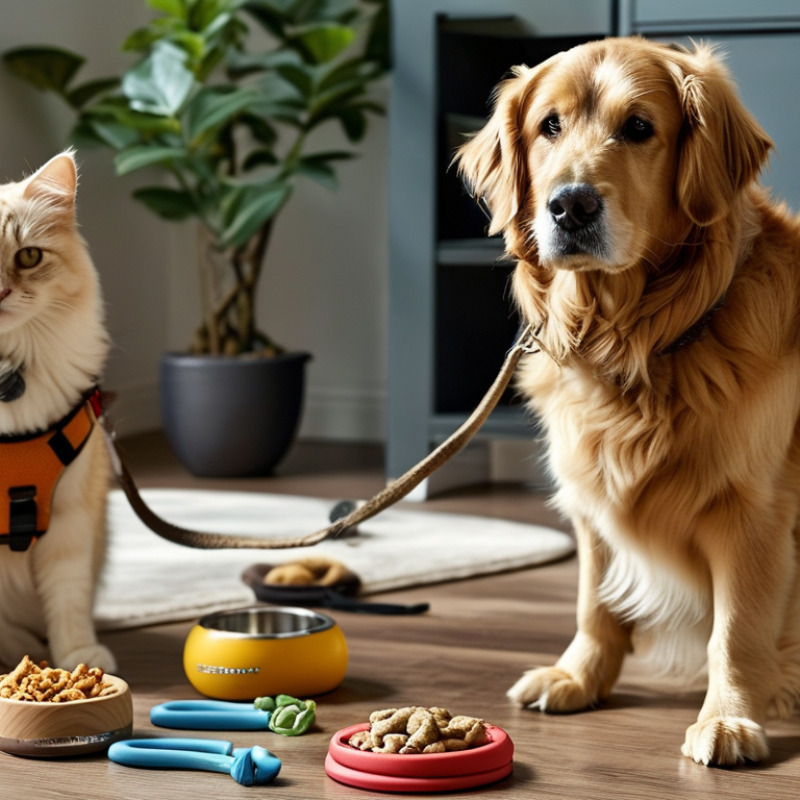
What Supplies Help With Pet Training in 2026?
APPA’s 86.9 million-household pet market shows how widely training has entered everyday home life. That figure also suggests varied needs, from apartment puppies to senior rescue dogs. Effective supplies remain simple: soft treats, a clicker, a washable mat, and a lightweight leash. Choose small rewards that your pet can eat quickly. Training should not become a long chewing break.
A secure harness can improve control during outdoor practice, especially near traffic or crowded sidewalks. A treat pouch keeps rewards accessible and reduces interruptions. For indoor work, a non-slip mat gives the animal a clear place to settle. I have found that expensive equipment rarely fixes unclear timing. Some pets dislike clickers, and some ignore treats after stressful events. A quiet voice may work better. Results can be uneven.
Tips: Train for three to five minutes. Reward the exact behavior you want. Keep water nearby. Inspect leashes, clips, and toys regularly for damage. Avoid forcing contact or using painful equipment. Record one detail after each session, such as “settled faster” or “lost focus near the door.” This small record exposes patterns, although it can also reveal inconsistent handling by people. That part deserves honest reflection.
| Supply | Primary Training Use | Suitable Pets | Important Features | Safety Guidance | Typical Replacement Cycle | Estimated U.S. Price Range |
|---|---|---|---|---|---|---|
| Small soft treats | Reward-based training, recall, focus, and basic cues | Dogs, cats, and some small mammals | Small pieces, easy to chew, appropriate calorie content | Count treats as part of the daily diet; avoid toxic ingredients such as xylitol | Use before the package expiration date | $5–$25 per package |
| Treat pouch | Keeps rewards accessible during walks and practice sessions | Primarily dogs | Secure closure, washable lining, belt clip, and easy access | Clean regularly and avoid overfilling with food | 1–3 years, depending on wear | $10–$30 |
| Clicker | Marks the exact moment of a desired behavior | Dogs, cats, birds, and other trainable animals | Consistent sound, comfortable button, wrist strap | Introduce the sound gradually for noise-sensitive pets | 2–5 years or until the sound becomes inconsistent | $3–$15 |
| Leash and flat collar | Loose-leash walking, attention, and controlled outdoor practice | Dogs | Correct fit, durable clips, comfortable material, identification attachment | Check fit and hardware regularly; allow room for two fingers under the collar | 6–24 months, or sooner if frayed or damaged | $15–$60 per set |
| Front-clip harness | Helps manage pulling while supporting loose-leash training | Dogs, when properly fitted | Adjustable straps, padded contact areas, secure stitching | It should not restrict shoulder movement or cause rubbing | 6–24 months, depending on fit and use | $20–$70 |
| Long line | Recall practice and distance control in open areas | Dogs | Lightweight line, secure swivel, visible color, comfortable handle | Use in a clear area; never wrap it around hands, people, or animals | Replace when webbing, stitching, or clip shows damage | $15–$40 |
| Interactive food puzzle | Mental enrichment, problem-solving, and slower feeding | Dogs and cats | Multiple difficulty levels, stable base, washable construction | Supervise first use and remove damaged parts | 1–5 years, depending on material and chewing | $10–$40 |
| Mat or portable bed | Place training, settling, calm behavior, and relaxation | Dogs and cats | Non-slip base, washable cover, clear visual boundary | Choose a size that allows the pet to lie down comfortably | 1–3 years, or when padding loses support | $20–$80 |
| Training gate or pen | Management, safe confinement, and gradual household access | Dogs, puppies, and some small mammals | Stable frame, secure latch, appropriate height and spacing | Never use confinement as punishment; provide water and sufficient space | 3–10 years, subject to structural condition | $30–$150 |
| Waste bags and dispenser | Supports outdoor toileting routines and responsible cleanup | Dogs | Leak-resistant bags, easy-tear rolls, portable dispenser | Dispose of waste according to local requirements; keep bags away from children | Disposable; replenish as needed | $5–$20 per multipack |
Market context: The 86.9 million-household figure refers to U.S. pet-owning households reported in the referenced 2026 market context. Prices are approximate U.S. retail ranges and vary by size, material, and product design. Positive-reinforcement training and appropriate supervision are recommended.
Useful basics include soft treats, a clicker, a washable mat, and a lightweight leash. Choose rewards your pet can eat quickly. Keep water nearby. Simple tools often improve timing.
Aim for three to five minutes per session. End while your pet remains interested. Keep it brief. Longer sessions may cause distraction or frustration.
A non-slip mat creates a clear resting place. It also improves stability on smooth tile floors. Reward calm settling on the mat. Some pets need repeated practice.
A secure harness can improve control near traffic or crowded sidewalks. Match it to your pet’s size and body shape. Check clips before every session. Poor fit can reduce comfort.
Use small, fresh rewards that your pet can swallow quickly. A treat pouch keeps rewards within reach. Avoid long chewing breaks during practice. Watch the response.
Check leash fibers, toy surfaces, seams, and clips before each session. Replace cracked, frayed, or loose items immediately. Wash supplies according to their care instructions. Small damage can become a real problem.
No, durability is not universal. A strong toy may overwhelm a puppy or smaller animal. Match each item to size, age, mouth strength, and training goals. I sometimes overestimate “heavy-duty” products.
Stop forcing contact and remove painful equipment. A quiet voice may work better than a clicker. Consider veterinary or qualified training guidance when fear persists. Supplies cannot repair confusing cues. Not always.
What supplies help with pet training in 2026? Effective training begins with practical, humane tools that support clear communication, safety, and consistency. Reward items such as small treats, treat pouches, and clickers can reinforce desired behaviors in line with evidence-based training principles. Comfortable leashes, properly fitted harnesses, and identification accessories also help pets develop walking skills without unnecessary pressure or discomfort.
For home training, crates, gates, and enrichment toys can create structured spaces while reducing stress and preventing unwanted behaviors. Durable materials are especially valuable as the pet-care market continues to grow and households seek supplies that provide lasting use. Owners should choose products based on their pet’s size, age, temperament, and training goals, while avoiding equipment that relies on fear, pain, or excessive restraint. With thoughtful selection and consistent positive guidance, these supplies can make training safer, more effective, and more enjoyable for both pets and their caregivers.

 Colourful Pet