Essential Supplies for Effective Pet Training Tips?

Time:2026-05-22 Author:Charlotte
0%

Effective pet training relies heavily on the right supplies. According to Dr. Emily Wilson, a renowned veterinary behaviorist, “The right tools can transform training into a positive experience.” Understanding what supplies help with pet training can significantly enhance your approach.

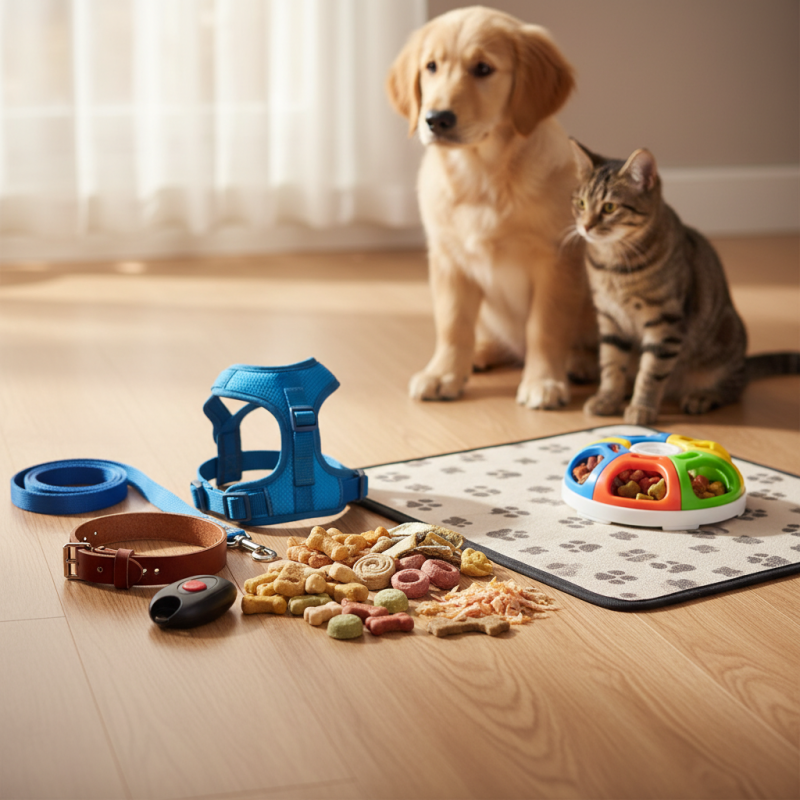
Basic supplies often include leashes, collars, and harnesses. Each of these items plays a vital role in managing your pet’s behavior. Treats are essential; they should be tasty and suitable for your pet’s dietary needs. Treats must motivate your pet to learn new commands or behaviors.

Many owners overlook the importance of clickers and training mats. Clickers provide a consistent way to communicate praise. Training mats create a dedicated space for your pet to focus. Reflecting on your supplies can lead to better results. If something isn’t working, consider what might be missing. What supplies help with pet training can often be discovered through trial and error.
Essential Supplies for Effective Pet Training Tips?

Essential Tools for Successful Pet Training Sessions

When it comes to pet training, the right tools can make a significant difference. Studies show that 75% of pet trainers agree that effective training equipment enhances learning experiences. The most essential tools include leashes, clickers, and treat bags. These items not only facilitate communication but also create a bond between pets and their owners.

Using a clicker can significantly improve your training sessions. According to the APDT (Association of Professional Dog Trainers), positivity encourages responsiveness. This approach engages pets mentally, leading to better retention of commands. Remember to be consistent with your clicks. Timing matters—click immediately when your pet performs the desired action.

Moreover, treat bags are vital for rewarding good behavior. It’s important to choose healthy treats to ensure your pet remains fit. Simple practices, like having treats readily accessible, streamline the training process. However, avoid over-rewarding, as this can diminish interest. Reflect on what works well and adjust your methods accordingly to maintain effectiveness.

Understanding Your Pet's Behavior and Learning Style

Understanding your pet's behavior is key to effective training. Each animal has a distinct learning style, influenced by its breed and personality. Research shows that dogs, for instance, respond well to positive reinforcement. A study published in the Journal of Veterinary Behavior found that 80% of dogs learned new commands more quickly when rewarded with treats or praise. Observing your pet’s reactions can reveal their preferences.

Cats, on the other hand, often exhibit different learning patterns. They may require patience and creativity to engage. A survey by the American Association of Animal Behavior Consultants indicated that only 60% of cat owners successfully trained their pets to follow simple commands. This shows the importance of adjusting training tactics to fit each animal's unique traits. Consider your pet's energy levels and attention span when developing a training plan.

Mistakes in training are common. Many pet owners expect instant results, which can lead to frustration for both parties. Sometimes, understanding your pet may mean recognizing when to change strategies. For example, if your dog seems disinterested, it might be time to shorten training sessions or try different rewards. Reflecting on what works and what doesn’t is essential for progress. Adjust your methods based on your observations to create a more effective training environment.

Recommended Treats and Rewards for Effective Training

When training pets, rewards play a crucial role. The right treats can motivate your animal and enhance learning. According to the American Kennel Club, 90% of pet owners use treats for training. Choosing the right type is essential. Soft, small treats are best for quick training sessions. They are easier for pets to consume without losing focus.

Consider using high-value rewards. Meats or cheese can be irresistible for many animals. However, not all dogs react positively. Some may have allergies or digestive issues. Keeping a mix of treats can help gauge what your pet prefers. In a 2022 study, 65% of trainers reported that varying rewards kept their pets engaged longer. This reflects the importance of adaptability in training.

It’s also important to evaluate your approach regularly. What works today may not work tomorrow. Pets, like humans, have changing preferences. Keeping track of what rewards resonate can significantly affect training outcomes. Pet training is a continuous journey, and flexibility is key to progress.

Creating a Positive Training Environment for Pets

Creating a positive training environment is crucial for effective pet training. A welcoming atmosphere encourages pets to engage and learn. Start by choosing a quiet space, free of distractions. This helps your pet focus on training sessions. Ensure the area is safe and comfortable. A cozy mat or bed can make a significant difference.

Tips: Use positive reinforcement. Reward your pet with treats or praise. This builds trust and motivation. Avoid harsh corrections. They can lead to fear and anxiety. Instead, redirect unwanted behaviors in a calm manner. Remember, training takes time. Celebrate small victories and stay patient.

Another aspect is consistency. Keep commands simple and clear. Use the same word for each command. Consistency helps your pet understand what you expect. Sometimes, your pet might not respond as you wish. Reflect on your techniques and adjust as needed. Each pet learns at their own pace. Embrace the journey, and you’ll both grow together.

Safety Gear and Accessories for Training Your Pet

When training your pet, the right safety gear and accessories are crucial. A well-fitted harness can prevent potential escape during training sessions. Look for designs that distribute pressure evenly. A reflective vest can help keep your pet visible during outdoor training, especially at dawn or dusk.

Using a long training leash allows your pet to explore while still under your control. This balance can build their confidence. Don't forget about protective gear for both you and your pet. Gloves can shield your hands during handling, while knee pads can safeguard you from accidental scrapes or slips.

Conversations about training often focus on techniques, but safety is key. Sometimes, materials fail or equipment breaks. Regularly checking these items for wear is essential. Reflect on how much gear impacts your training routine. Choosing the right accessories can enhance the experience, but over-relying on them might hinder your pet's natural instincts.

Essential Supplies for Effective Pet Training

FAQS

: What tools are essential for pet training?

: Leashes, clickers, and treat bags are key tools that enhance communication and bonding.

How does using a clicker benefit pet training?

A clicker improves training by encouraging responsiveness and mental engagement in pets.

Why is timing important when using a clicker?

Click immediately when your pet shows the desired behavior to reinforce their action effectively.

What should be considered when choosing treats for training?

Opt for healthy treats and ensure they are easily accessible, but avoid over-rewarding.

How does a pet's breed affect its learning style?

Different breeds have distinct learning preferences, requiring tailored approaches for effective training.

What challenges do cat owners face in training?

Cats often need patience and creativity; only 60% of owners successfully teach simple commands.

How can mistakes in training be managed?

Reflect on training experiences and be willing to change strategies if instant results are not achieved.

What factors influence a training plan's effectiveness?

Consider your pet's energy levels and attention span when developing a training strategy.

What should I do if my pet seems uninterested?

If disinterest occurs, try shorter sessions or different rewards to re-engage your pet.

Why is it important to adjust training methods?

Regularly reflecting on what works allows you to create a more effective training environment.

Conclusion

When considering "What supplies help with pet training," it's essential to equip yourself with the right tools to ensure successful training sessions. This includes having various essential tools such as leashes, collars, and clickers that facilitate effective communication between you and your pet. Additionally, understanding your pet's individual behavior and learning style plays a crucial role in tailoring your training approach, making it more efficient and enjoyable.

Moreover, using recommended treats and rewards can significantly motivate your pet during training. Creating a positive training environment is equally important, as it encourages learning and fosters a strong bond between you and your pet. Lastly, ensuring you have safety gear and accessories not only protects your pet but also enhances the overall training experience. Together, these elements contribute to a productive and rewarding pet training journey.

Charlotte

Charlotte

Charlotte is a seasoned marketing professional with a deep understanding of the company's portfolio and a passion for elevating its presence in the market. With a keen eye for detail and a commitment to excellence, she ensures that our professional blog is regularly updated with insightful articles......