How to Clean Pet Supplies Effectively and Safely?

Time:2026-03-02 Author:Sienna
0%

Cleaning pet supplies is essential for the health of our furry friends. Dr. Emily Carter, a veterinarian and pet hygiene expert, emphasizes, “A clean environment significantly reduces the risk of illness.” This highlights the importance of understanding how to clean pet supplies properly.

Many pet owners overlook the potential buildup of dirt and bacteria in pet items. Toys, bowls, and bedding require regular cleaning to maintain hygiene. A simple wash may not suffice. For instance, pet bowls should be cleaned daily, and toys should be disinfected weekly. It's vital to use safe, non-toxic cleaners to avoid harming your pets.

Yet, many still hesitate. They may find cleaning tedious or unnecessary. However, reflecting on their pet’s health can motivate better practices. By incorporating effective cleaning habits, we create a safe space for our beloved animals. Remember, the question is not just about how to clean pet supplies properly, but also about ensuring the comfort and well-being of our pets each day.
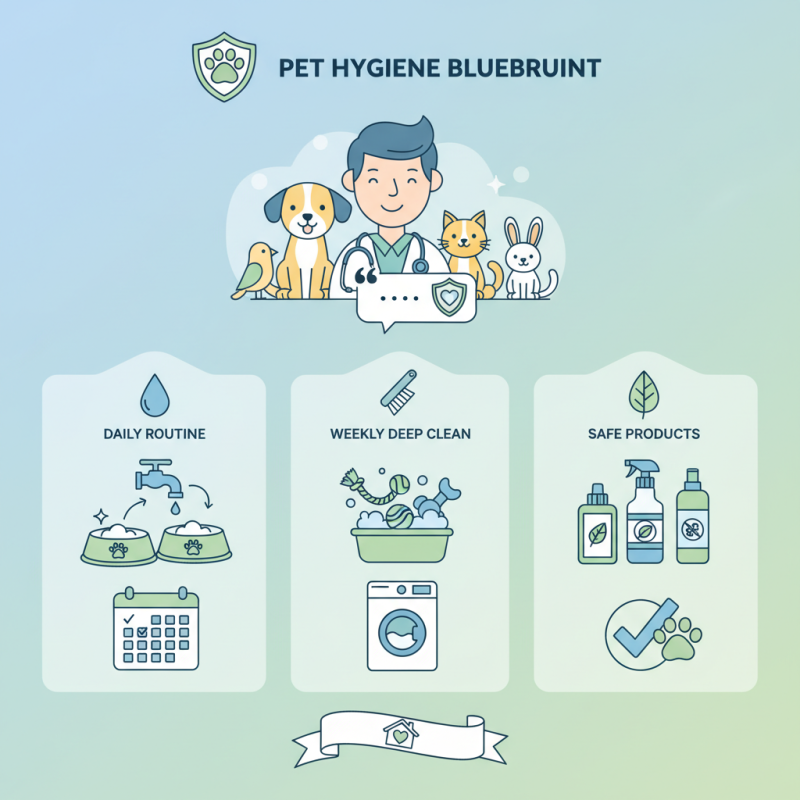
How to Clean Pet Supplies Effectively and Safely?

Understanding the Importance of Cleaning Pet Supplies for Health

Cleaning pet supplies is essential for maintaining a healthy environment for both pets and humans. Pet supplies, such as bowls, toys, and bedding, can harbor bacteria and allergens. Regular cleaning can significantly reduce these health risks. Dirty dishes can lead to gastrointestinal issues in pets. Toys can collect dirt and germs, posing further health threats.

When cleaning, use safe, non-toxic products. Harsh chemicals can be harmful to pets. Sometimes, a simple vinegar and water solution works well. Soaking bowls in a mix can eliminate stubborn stains. Scrubbing toys with warm, soapy water can also help. Ensure everything dries completely to prevent mold growth.

It's easy to overlook the importance of this routine. Sometimes, we may forget to clean an item or skip a week. This negligence can lead to a buildup of harmful residues. Reflection on cleaning habits is crucial. Everyone must remember that, in pet care, cleanliness directly impacts health. A proactive approach to cleaning pet supplies will benefit everyone in the household.

Identifying Safe Cleaning Agents for Pet Supplies and Their Efficacy

Cleaning pet supplies is essential for a healthy environment. Choosing safe cleaning agents can make a significant difference. Look for natural solutions, like vinegar and baking soda. These options are non-toxic and effective against pet odors.

Tips: Mix equal parts of vinegar and water. Use it to clean pet toys. It disinfects without harming your furry friends. For tougher stains, sprinkle baking soda before wiping. It helps to lift dirt effectively.

Not all cleaning products are pet-friendly. Some contain harsh chemicals. Read labels carefully. Avoid anything with bleach or ammonia. Such ingredients can irritate your pet’s skin and lungs.

Homemade cleaners can be safer and just as effective. However, be cautious. Always conduct a spot test on fabric or surfaces before full application.

Step-by-Step Guide to Cleaning Different Types of Pet Supplies

Cleaning pet supplies can be daunting. Start with your pet's bed. Shake off loose fur and debris outside. Next, wash it with warm water and mild detergent. Rinse thoroughly and air dry. This helps eliminate odor and bacteria. Don’t forget to check for any tears or damage during this process.

For toys, use a simple solution of water and vinegar. Soak the toys for a few minutes, then scrub with a soft brush. Rinse well to avoid any residue. Some toys might not hold up well to cleaning. Reflect on whether they are worth keeping or if it's time to replace them.

Bowls need attention too. Wash with hot, soapy water. Scrub well to remove any stubborn stains. Be sure to rinse thoroughly, as soap can be harmful. Look for scratches or chips where bacteria could hide. Maintaining a clean environment is essential for your pet’s health. Consider creating a cleaning schedule that fits your routine.

Best Practices for Sanitizing Shared Pet Items to Reduce Germs

Cleaning pet supplies is crucial to reduce germs, especially shared items. Many pet owners overlook this routine. A dirty bowl or toy can harbor harmful bacteria. It’s essential to establish a regular cleaning schedule.

Using warm soapy water is effective. Scrub thoroughly, especially in hard-to-reach areas. Rinse well to remove soap residue. Some items may tolerate a vinegar solution, which can disinfect effectively. This method is better for items sensitive to heat or chemicals.

Don’t forget to dry items completely before using them again. Dampness can encourage mold growth. Check items regularly for wear and tear. Cleaning is vital, but it’s not foolproof. Always stay alert for unusual odors or signs of infection in pets. Cleanliness involves constant reflection and adjustment in methods.

Pet Supplies Cleaning Effectiveness

Frequency Recommendations for Cleaning Pet Supplies to Ensure Safety

Cleaning pet supplies is essential for maintaining a healthy environment for your furry friends. Different items require varying cleaning frequencies. Here are some tips to guide you.

Feeding bowls should be cleaned daily. Rinse them well with hot water. For stubborn stains, use mild soap. Frequent cleaning prevents bacteria buildup. If your pet makes a mess, clean immediately. Toys, on the other hand, can be cleaned weekly. Soak them in a solution of water and vinegar. Rinse thoroughly afterward.

Don’t forget about bedding. Launder pet blankets and beds every two weeks. This frequency helps eliminate odors and allergens. A vacuum can efficiently remove fur from carpets or furniture. Regular vacuuming is crucial. Additionally, check your pet supplies regularly for wear and tear. Replace items that show significant signs of use.

Cleaning often appears time-consuming. But ignoring it can lead to health issues. Finding time for cleaning may be challenging. Ensure you integrate it into your routine. Every little effort helps keep your pets safe and happy.

FAQS

: What is the main purpose of the article?

: The article aims to provide insightful information on a specific topic. It highlights key aspects to understand better.

Who can benefit from reading the article?

Anyone interested in the topic can benefit. This includes students, professionals, and general readers alike.

Are there any specific tools mentioned in the article?

The article does mention several tools. These tools can help enhance understanding and application of the topic discussed.

Does the article provide examples?

Yes, the article includes practical examples. These examples illustrate concepts effectively and make them relatable.

What type of audience is targeted?

The article targets both beginners and experienced individuals. It contains information for all levels of knowledge.

Is there a section on common mistakes?

Yes, the article discusses common mistakes to avoid. This aids in fostering a better understanding of the subject.

How can someone apply the information in daily life?

Readers can incorporate the advice into daily routines. It can lead to practical improvements and enhanced skills.

Are there any visual aids suggested?

The article suggests using visual aids for better comprehension. They can reinforce learning and facilitate retention of information.

Does the article include any personal anecdotes?

Yes, some personal anecdotes are shared. They illustrate the learnings and reflect real-life applications.

What should readers reflect on after reading?

Readers should think about their approach to the topic. Reflection can lead to deeper understanding and growth.

Conclusion

Cleaning pet supplies is essential for maintaining the health and well-being of both pets and their owners. Understanding the importance of this task allows pet owners to take proactive measures in ensuring a safe environment. When considering how to clean pet supplies properly, it is crucial to identify safe cleaning agents that are effective yet non-toxic for animals. This article provides a step-by-step guide tailored to various types of pet supplies, ensuring thorough and delicate cleaning methods are applied.

Additionally, best practices for sanitizing shared pet items are discussed, emphasizing the reduction of germs and the promotion of overall hygiene. Regular cleaning frequency recommendations are also provided, helping pet owners establish a routine that guarantees safety and health for their furry companions.

Sienna

Sienna

Sienna is a skilled marketing professional with a deep expertise in our company’s core products and services. With a passion for innovation and detail, she plays a pivotal role in crafting insightful blog posts that not only highlight the unique features of our offerings but also provide valuable......