Keeping a clean home is essential, especially when you have pets. They bring joy and companionship, yet they also introduce various challenges. One such challenge is maintaining their supplies. How to clean pet supplies properly is vital for your family's safety and your pet's well-being. Dirty bowls, toys, and bedding can harbor germs that may lead to health issues.
Regular cleaning of pet supplies not only promotes hygiene but also extends the life of these items. Many pet owners overlook this task, thinking soap and water is sufficient. However, proper cleaning techniques ensure that you eliminate harmful bacteria effectively. Understanding the right methods is crucial.
It’s easy to get overwhelmed by the notion of thorough cleaning. You may feel you lack time or energy. But with some basic tips, you can make this task efficient and manageable. Small changes in your cleaning routine can lead to a healthier environment. Let’s explore effective strategies to keep your pet’s supplies clean and safe!
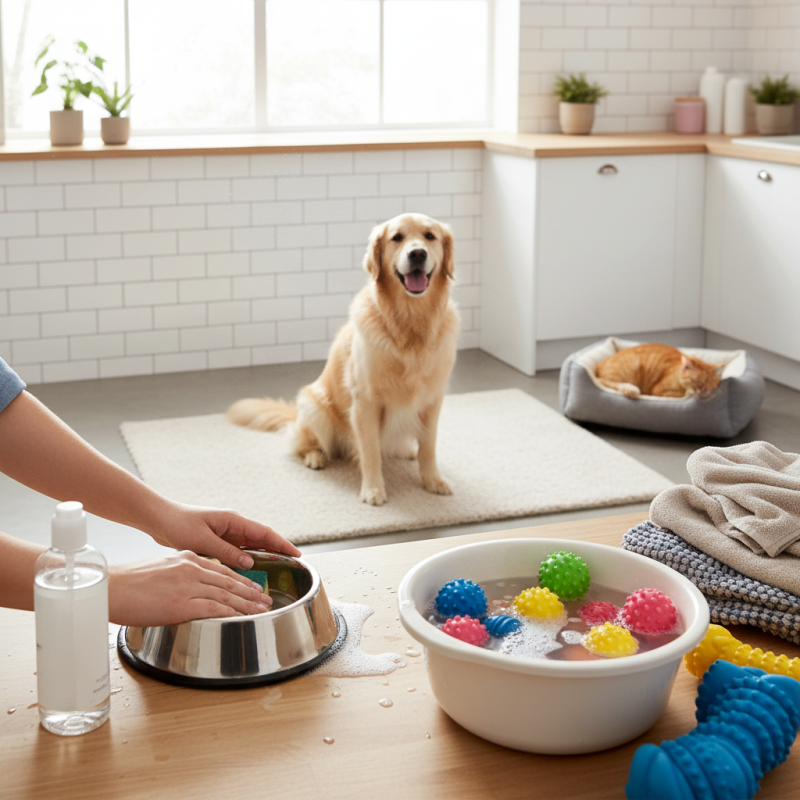
Understanding the Importance of Cleaning Pet Supplies for Household Safety
Cleaning pet supplies is essential for a safe and healthy home environment. It’s easy to overlook the bacteria and allergens that can accumulate on your pet’s belongings. Toys, beds, and feeding bowls can harbor germs. Regular cleaning minimizes health risks for both pets and humans.
Tips:
Clean toys with mild soap. Rinse thoroughly to remove residue. Washing beds in hot water can eliminate pests. Don’t forget the feeding area; disinfecting bowls after each meal is crucial.
Many pet owners may forget about hidden areas. Consider the storage space for pet items. It can collect dust and mold, impacting air quality. Reflecting on your cleaning routine can help improve your home environment.
Cleaning pet supplies isn’t a one-time task. It requires consistency for optimal safety and comfort.
Common Types of Pet Supplies That Require Regular Cleaning
Pet supplies play a crucial role in maintaining a healthy environment for your pets and your home. Regular cleaning of these items is essential to minimize health risks. According to the Centers for Disease Control and Prevention (CDC), pet owners are 6 times more likely to harbor harmful bacteria if they neglect proper hygiene for pet supplies.
Common types of pet supplies that need regular attention include food and water dishes. These can easily collect residues and bacteria. A study from the National Pet Owners Survey found that 80% of pet owners clean their pet’s food dishes less than once a week. This infrequency can lead to gastrointestinal issues for pets. It’s best to wash these dishes daily, using hot, soapy water to eliminate harmful pathogens.
Collars, leashes, and bedding are also crucial. A report by the American Veterinary Medical Association highlighted that pet beds harbor various allergens and bacteria. Cleaning these items at least once a month can significantly reduce the risk of allergies or infections. Neglecting to clean leashes might expose pets to street bacteria. Simple, routine cleaning can mitigate many of these risks and create a safer home.
Step-by-Step Guide to Effectively Clean Pet Food Bowls
Cleaning pet food bowls is essential for your pet's health. Bacteria and mold can thrive in dirty dishes. Follow these simple steps to ensure a safe feeding environment.
Start by emptying the bowls. Rinse them with hot water to remove food residue. Then, use a mild detergent suitable for pet items. Scrub the bowls with a soft brush, focusing on any crevices. Rinse thoroughly to eliminate all soap.
Tips: A scrub brush is great for reaching tough spots. Avoid using strong chemicals. They can leave harmful residues.
Consider regular cleaning schedules. Daily rinsing and weekly deep cleaning can prevent buildup. Dog bowls often attract more grime.
Tips: Keep a cleaning caddy nearby. This makes it easier to stay organized.
Always inspect bowls for signs of wear. Replace old or damaged bowls. This helps maintain a safe feeding area for your pet.
Best Practices for Sanitizing Pet Bedding and Toys
Pet bedding and toys can harbor bacteria, dirt, and allergens. Regular sanitizing is crucial for your pet's health. According to a study by the Centers for Disease Control, pet bedding can contain up to 67 different types of bacteria. Cleaning pet supplies effectively minimizes these risks.
To clean pet bedding, wash it in hot water with a pet-safe detergent. This temperature helps kill harmful organisms. Consider using a washing machine that allows for deep cleaning cycles, ensuring every inch is sanitized. For toys, especially those made of rubber or plastic, you can submerge them in a solution of vinegar and water. This natural disinfectant can neutralize odors and bacteria.
Tip: Always air dry pet bedding. This method prevents shrinkage and allows for proper drying, eliminating moisture. For plush toys, inspect for wear and tear. Discard any items that show signs of wear, as they could pose a choking hazard.
Cleaning schedules should be routine. Experts recommend sanitizing pet items at least once a week. Reflect on your current practices. Are you cleaning frequently enough? Don't overlook the importance of maintaining a clean environment. A small effort can lead to a healthier home for both you and your pet.
Using Pet-Safe Cleaning Products: What You Need to Know
When cleaning pet supplies, it’s crucial to prioritize safety. Many cleaning products contain harsh chemicals, posing risks to pets. Choosing pet-safe cleaning solutions is essential for a clean and secure environment. These products often include natural ingredients. They can effectively eliminate dirt without harmful residues.
Understand the importance of reading labels. Some products may seem safe but can contain hidden dangers. Look for those specifically marked as non-toxic and pet-friendly. Ingredients like vinegar and baking soda can work wonders when deodorizing pet beds or toys. A simple mixture of these elements can clean surfaces effectively.
It's vital to test cleaning methods on a small area first. Pets can react differently to various substances. Monitor your pet's behavior after cleaning. Are they sneezing or showing signs of discomfort? This awareness is key in maintaining their safety. Cleaning pet supplies isn’t just about appearance; it’s about creating a healthy home.
How to Clean Pet Supplies Properly for a Safe Home? - Using Pet-Safe Cleaning Products: What You Need to Know
| Cleaning Product |
Safe for Pets? |
Usage Instructions |
Recommended Surfaces |
| Vinegar and Water Solution |
Yes |
Mix equal parts vinegar and water. Spray and wipe surface. |
Floors, kennels, and non-porous surfaces |
| Baking Soda |
Yes |
Sprinkle on area, let sit for 15 minutes, then vacuum. |
Carpets, cushions, and bedding |
| Castile Soap |
Yes |
Dilute with water and scrub surfaces. Rinse well. |
Toys, cages, and feeding dishes |
| Lemon Juice |
Yes |
Mix with water and use as a cleaner. Rinse after use. |
General surfaces and fabric |
| Soap and Water |
Yes |
Use gentle dish soap mixed with water. Wipe and rinse. |
General pet supplies and surfaces |
Conclusion
Cleaning pet supplies is essential for maintaining a safe and healthy home environment. Understanding the importance of cleaning pet supplies for household safety is the first step, as it helps prevent the spread of germs and allergens. Common items that require regular cleaning include pet food bowls, bedding, and toys.
To effectively clean these items, one should follow a step-by-step guide, starting with the pet food bowls, ensuring they are thoroughly sanitized and dried before the next use. Best practices for sanitizing pet bedding and toys involve using warm water and pet-safe cleaning products, which are crucial for avoiding harmful chemicals. Knowing how to clean pet supplies properly not only benefits the pets but also contributes to the overall cleanliness of the home.

 Colourful Pet