Pet ownership often brings joy, but it can also lead to challenges. One common issue is allergies that stem from pet supplies. But what causes allergies from pet supplies? Various materials and chemicals found in pet items can trigger allergic reactions. Common culprits include fabrics, plastics, and cleaning agents.
Many pet owners are unaware of these potential allergens. They may not connect symptoms with the products they use. This lack of awareness often leads to frustrating experiences. Symptoms can range from mild irritation to severe respiratory issues. It’s crucial to identify and manage these reactions.
Understanding the root causes can empower pet owners. By recognizing which supplies may cause allergies, they can make informed choices. Simple changes can significantly reduce symptoms. However, self-diagnosis is not always reliable. Seeking professional advice is often needed to address these concerns effectively.
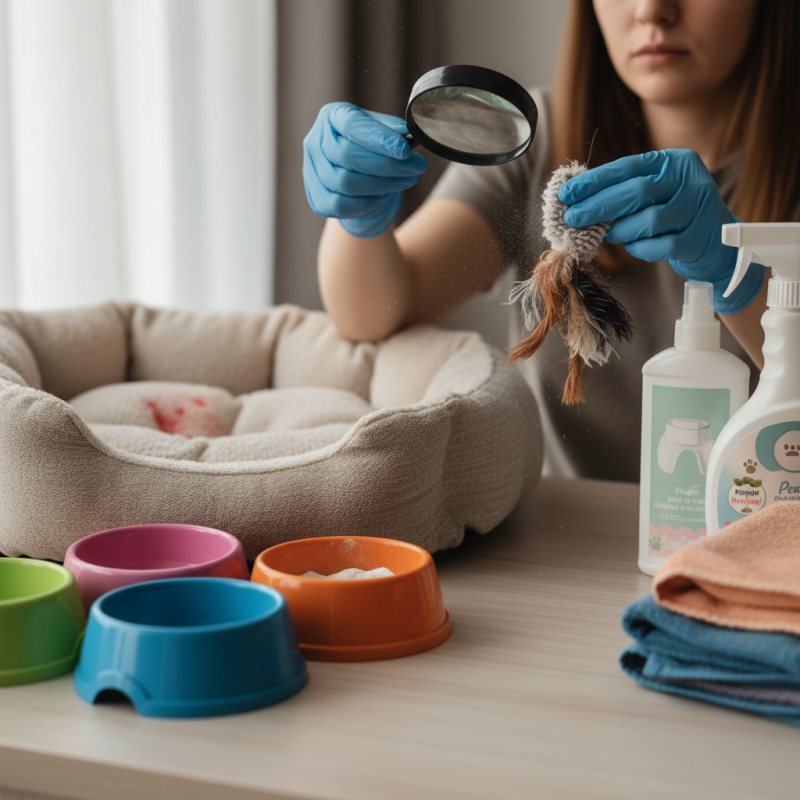
Pet supply allergies affect many households. These allergies often stem from materials used in pet products, such as bedding, toys, and grooming tools. According to a report by the American College of Allergy, Asthma, and Immunology, nearly 15% of households own pets with allergy sensitivities. Common symptoms include sneezing, itching, and skin irritations.
Many pet owners do not realize the source of their allergic reactions. Common allergens include synthetic fibers, harsh chemicals, and even certain foods. Some pets can also carry allergens from the outdoors, like pollen and mold. This complicates management efforts. Reports indicate that 30% of pet-owning allergy sufferers face challenges finding hypoallergenic products.
Effective symptom management is vital. Regular vacuuming and using air purifiers help reduce airborne allergens. Frequent cleaning of pet bedding is also crucial. Despite these efforts, some people still experience reactions. Mistakes in choosing pet supplies can happen. Educating oneself about materials and conducting patch tests can improve outcomes. Awareness and proactive steps may lead to better living conditions for both pets and their owners.
Common allergens in pet supplies can cause discomfort for both pets and their owners. Many items used in pet care contain ingredients that trigger allergic reactions. Common sources include certain types of bedding, food, and grooming products. A study by the American College of Allergy, Asthma & Immunology noted that over 15% of pet owners experience allergies related to these supplies.
For bedding, look for hypoallergenic materials that minimize dust mites and mold. Foam and synthetic options can be better than traditional cotton. Grooming products often include fragrances and dyes that can irritate sensitive skin. Choosing unscented or natural alternatives may help reduce potential allergic reactions.
When it comes to pet food, certain proteins like beef and chicken are among the top allergens. It’s wise to observe any changes in your pet’s behavior or health after introducing new products. Regularly cleaning your pet's environment can also help by reducing allergen accumulation. Simple actions can make a significant difference in their well-being.
Pet supply allergies can affect both pets and their owners. Identifying symptoms is crucial. Common signs include sneezing, itching, or skin rashes. Around 10% of pet owners report allergic reactions due to pet supplies. These reactions are often caused by materials in toys, beds, or cleaning products.
It’s essential to pay attention to these symptoms. If you notice excessive scratching or watery eyes, consult a vet. They might suggest allergy testing. In some cases, pets may require medication to alleviate their symptoms.
Here are a few tips to manage symptoms effectively:
Remember, monitoring your pet's reaction to new supplies is key. This awareness can help in selecting safer products in the future.
Allergies to pet supplies can trigger uncomfortable symptoms. Many people experience sneezing, itching, or skin rashes due to materials in pet products. According to a recent study, around 30% of pet owners report allergic reactions from their animals or the supplies used for them. This statistic highlights a potential issue many face in their homes.
Managing these symptoms can be challenging. One effective strategy is to carefully select hypoallergenic pet supplies. Look for products labeled as “allergen-free” or “hypoallergenic.” Removing or cleaning pet bedding regularly can also help reduce allergens. A survey indicated that regular cleaning routines can decrease symptoms by 40%. It’s important to wash pet beds weekly.
Air quality is another factor. Using air purifiers can drastically lower allergy triggers. In fact, over 50% of allergy sufferers noticed improvement in their symptoms with cleaner air. However, not all air purifiers are created equal. Research confirms that HEPA filters are most effective in capturing small airborne allergens. Overall, being proactive about allergy management leads to a more comfortable living environment.
| Allergy Cause | Symptoms | Management Tips |
|---|---|---|
| Pet Dander | Sneezing, itchy eyes, coughing | Regular cleaning, air purifiers, limit pet access to certain areas |
| Pet Food Ingredients | Skin irritations, digestive issues | Consult a vet for hypoallergenic diets, check ingredient labels |
| Fleas and Ticks | Red spots, itching, hair loss | Regular treatments, clean pet bedding, yard maintenance |
| Environment (dust, pollen) | Runny nose, asthma attacks | Keep windows closed, use dehumidifiers, regular cleaning |
| Pet Care Products (shampoo, sprays) | Skin rashes, respiratory issues | Opt for natural products, patch test new products |
Pet allergies can stem from various sources, including pet dander, bedding, and even food. Managing symptoms involves several practical steps. Regular cleaning is crucial. Vacuum carpets and furniture often. This helps remove allergens that accumulate in the home. Wash pet bedding weekly to reduce any irritants.
Consider air purifiers for your space. They can filter out allergens effectively. Keeping windows closed during high pollen seasons can also help. Routine grooming is essential too. Brush pets outside to minimize dander indoors. Regular baths may alleviate skin flakes.
Monitor your pet’s diet. Some pets develop allergies to certain ingredients. Consult with a vet if you notice symptoms. Reflection is key in this journey. Are the current measures effective? Adjust strategies based on what works best for you and your pet.
: Mindfulness can reduce stress. It helps improve focus and emotional regulation. Many find it enhances overall well-being.
Even five minutes can be effective. Ideally, aim for 10-20 minutes daily. Consistency is more important than duration.
Yes, many practice it for anxiety relief. Mindfulness encourages living in the moment, reducing anxious thoughts.
It's normal. Acknowledge the thought, then gently return to your breath. This is part of the process.
No special tools are required. A quiet space is helpful. Just find a comfortable position to sit or lie down.
Try mindful eating or walking. Focus on sensations and surroundings. Even daily tasks can become mindfulness practice.
Pet supply allergies can significantly affect both pets and their owners, leading to discomfort and health issues. What causes allergies from pet supplies often includes common allergen sources such as certain materials in toys, bedding, grooming products, and even food items. Many individuals may not realize that their pets can react to these allergens, which can manifest through a variety of symptoms, including itching, irritation, and respiratory issues.
To effectively manage allergy symptoms, pet owners should identify the sources of allergens and consider implementing strategies such as switching to hypoallergenic products, maintaining a clean living environment, and monitoring their pets' reactions to new supplies. Additionally, preventive measures like regular cleaning and minimizing exposure to known allergens can significantly reduce the likelihood of allergic reactions, leading to a healthier and more comfortable life for both pets and their owners.

Colourful Pet