10 Best Tips to Make Pet Supplies Last Longer

Time:2026-07-10 Author:Henry
0%

In the pet supply industry, maintaining the durability and usability of products is crucial. Reports indicate that pet owners often waste up to 30% of their supplies due to improper storage and usage. Understanding how to make pet supplies last longer is essential for both cost efficiency and environmental sustainability. Dr. Emily Foster, a renowned pet care expert, emphasizes that “Proper care can extend the lifespan of pet products significantly.”

Pet food, toys, and accessories all require different methods of maintenance. For example, keeping pet food in airtight containers can prevent spoilage and contamination. Toys should be regularly cleaned to eliminate bacteria that may develop over time. It’s surprising how neglecting these simple tasks leads to more frequent purchases and waste.

Moreover, pet owners must reflect on their buying habits. Buying in bulk is tempting, but without proper storage, supplies may go to waste. Learning how to make pet supplies last longer not only saves money but also reduces the environmental footprint of frequent replacements. By adopting these practices, pet owners contribute to a more sustainable future for their furry friends.
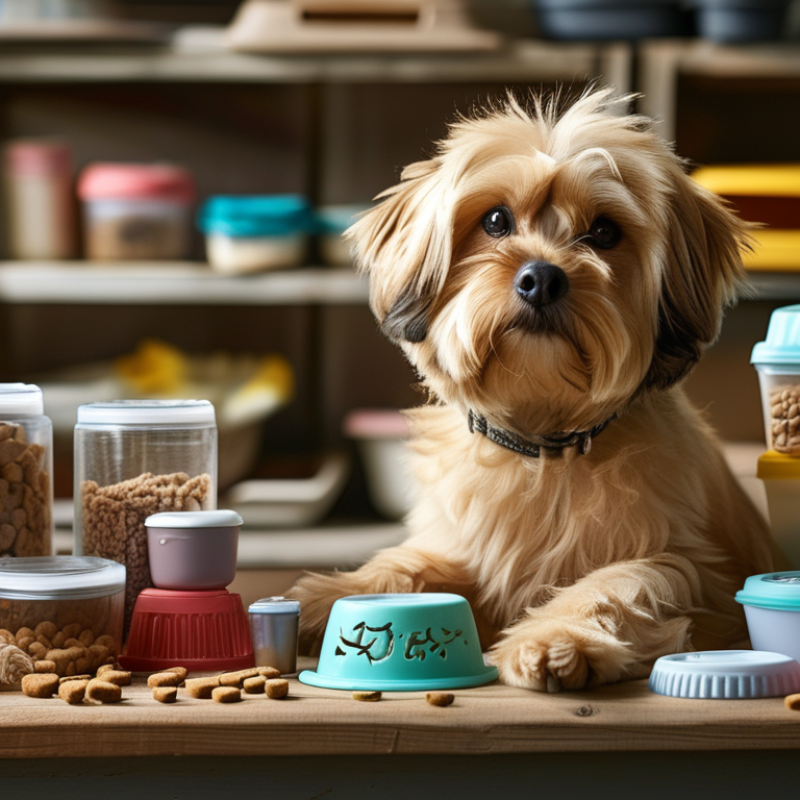
10 Best Tips to Make Pet Supplies Last Longer

Understanding the Lifespan of Common Pet Supplies: Key Statistics and Facts

When it comes to pet supplies, understanding their lifespan is crucial for every pet owner. Many common items, like collars and leashes, typically last about one to two years. Frequent outdoor use can degrade materials quickly. Regularly inspect these items for signs of wear. You'll avoid risks and keep your pet safe.

Food items also have a shelf life. Dry kibble lasts around six months to a year once opened. Canned food can last up to two years if unopened. Always check expiration dates. Storing these supplies correctly will help maintain their quality and nutrition.

Toys tend to suffer as well. Chew toys, for example, may last only a few weeks under heavy use. Look for any cracks or missing pieces. Rotate toys regularly to keep your pet engaged. This practice extends the life of toys while providing mental stimulation. Each item needs your attention to ensure safety and longevity.

10 Best Tips to Make Pet Supplies Last Longer

This bar chart illustrates the average lifespan in months of common pet supplies. Understanding these lifespans can help pet owners manage their supplies effectively and ensure they are always providing the best care for their pets.

Tips for Proper Storage: Maximizing the Shelf Life of Pet Food

Proper storage of pet food is vital for maintaining its freshness and nutritional value. Studies indicate that pet food can lose up to 50% of its vitamins and nutrients within just three months if not stored correctly. To maximize the shelf life of your pet’s supplies, airtight containers are essential. They prevent air and moisture from spoiling the food and protect against pests.

Additionally, keeping pet food in a cool, dry place can extend its lifespan. High temperatures and humidity can accelerate spoilage, diminishing quality and taste. The American Kennel Club suggests checking the expiration dates and storing foods in their original packaging or a designated container with proper seals. Regularly inspecting for signs of spoilage, like unusual odors or discoloration, is crucial.

We often overlook the importance of cleaning storage areas. A dirty environment can introduce bacteria and contaminants to pet food. Maintaining cleanliness is as important as selecting the right storage methods. Reflecting on these practices can help ensure your pet enjoys fresh and nutritious meals every day.

Cleaning and Maintenance: Essential Practices for Durable Pet Accessories

Maintaining your pet supplies is essential for durability. Regular cleaning can significantly extend their lifespan. For example, wash pet beds weekly. Use mild detergent to avoid harmful residues. This not only keeps them fresh but also prevents bacteria buildup.

Another tip is to inspect accessories often. Check for wear and tear, especially on collars and leashes. These are crucial for your pet's safety. If you notice fraying or damage, replace them promptly to avoid accidents.

Consider how you store toys and supplies. Keep them dry and away from direct sunlight. Moisture can lead to mold, ruining your favorite items. You may want to sanitize toys occasionally. Use warm, soapy water for a thorough cleanse, but be careful with electronic items. Reflect on your routine. Are you diligent about maintenance, or do you forget until it’s too late? Building better habits will lead to lasting benefits for you and your pet.

Monitoring Expiration Dates: How to Avoid Waste and Save Money

Monitoring expiration dates for pet supplies is crucial for pet owners. Many items, such as food and medications, have limited shelf lives. Regularly checking these dates can help reduce waste and save money. It's easy to lose track of what we have, especially when items get pushed to the back of shelves. A quick glance can reveal which products need to be used soon.

Implementing a tracking system can enhance awareness. Create a simple calendar or use apps designed for inventory management. This allows you to record expiration dates and receive reminders. However, it’s not foolproof. Sometimes we forget to check or misplace items. This creates unnecessary waste. Being mindful and regularly reviewing supplies can address this issue.

Storing items properly is another point to consider. Keeping supplies in a cool, dry place may extend their shelf life. Yet, we often overlook storage methods. How often do we consider temperature variations? A jar might seem sealed, but if it’s exposed to heat, the quality can degrade. Assessing both expiration dates and storage conditions can greatly help in better managing pet supplies.

Choosing Quality Products: Importance of Investing in Long-lasting Pet Supplies

Choosing quality pet supplies can significantly reduce overall costs. When selecting products, prioritize durability over price. Cheaper items may save money initially but often lead to frequent replacements. A well-made toy or food container can last years, providing better value in the long run.

Consider the materials used in pet supplies. Non-toxic, sturdy materials will withstand daily use. Look for items that are easy to clean and maintain. For example, a washable pet bed is more hygienic than one that cannot be cleaned easily. Investing in these products often means fewer health issues and more satisfaction for both pets and owners.

Reflecting on personal experiences, it’s easy to get swayed by flashy designs. But, those do not guarantee lasting quality. Sometimes, products can disappoint. Choosing wisely requires research and patience. Observe how your pet interacts with the supplies. Listen to feedback from other pet owners. This approach ensures you make informed decisions, ultimately leading to more sustainable choices for your beloved companion.

FAQS

: How long do common pet supplies generally last?

: Many items like collars and leashes last about one to two years.

What should I check on my pet supplies?

Regularly inspect items for signs of wear, especially collars and leashes.

How long can dry pet food last?

Once opened, dry kibble lasts around six months to one year.

What is the best way to store pet food?

Keep pet food in a cool, dry place to extend its shelf life.

How can I maintain my pet accessories?

Regular cleaning significantly extends their lifespan; wash beds weekly.

What should I do if my pet's toys show damage?

Replace damaged toys promptly to avoid safety issues for your pet.

How often should I monitor expiration dates?

Regularly check expiration dates on food and medications to avoid waste.

Is there a way to track expiration dates easily?

Use a calendar or apps to record expiration dates and set reminders.

What happens if I store items improperly?

Improper storage can degrade pet supplies, leading to waste and loss.

Why is routine maintenance important for pet accessories?

Being diligent helps ensure safety and longevity, benefiting both you and your pet.

Conclusion

In the quest to learn how to make pet supplies last longer, understanding the lifespan of common pet items is critical. Key statistics highlight that many pet supplies have set expiration dates, which can significantly affect their usability and safety. Proper storage techniques can maximize the shelf life of pet food—keeping it in a cool, dry place and using airtight containers can prevent spoilage. Regular cleaning and maintenance of pet accessories also play a vital role in ensuring durability, as dirt and wear can lead to premature replacement.

Additionally, keeping a close eye on expiration dates is essential to avoid waste and save money. By monitoring these dates, pet owners can use supplies more efficiently and minimize disposal of unused products. Lastly, investing in quality pet supplies not only ensures longevity but can also positively impact your pet's health and well-being. By following these practical tips, pet owners can significantly extend the life of their supplies.

Henry

Henry

Henry is a dedicated marketing professional with a profound expertise in the company's offerings. With years of experience in the industry, he possesses an impressive understanding of the market dynamics and consumer behaviors that drive success. Henry is committed to sharing his insights through......