What Are the Best Supplies for New Pets?

Time:2026-09-28 Author:Liam
0%

Bringing home a pet feels joyful, but the first shopping trip can become surprisingly confusing. What are the best supplies for new pets? The answer depends on the animal’s age, size, health, and daily routine. A kitten needs a low-sided litter box and a sturdy carrier. A puppy may need a comfortable harness, washable bedding, and safe chew toys. Small animals and birds have different needs, too. One list cannot suit every home.

Animal advocate Roger Caras wrote, “Dogs are not our whole life, but they make our lives whole.” His words are a useful reminder: supplies should support an animal’s comfort and wellbeing, not just look appealing on a shelf. Start with essentials: appropriate food and water bowls, species-specific food, a secure resting area, cleaning products made for pet spaces, and safe identification. Check labels and sizing carefully. A collar that slips off or a carrier with a weak latch can create avoidable stress. Ask a veterinarian about food, preventive care, and any special equipment, especially for young or newly adopted pets.

It is easy to buy too much before learning a pet’s habits. That is worth reconsidering. A cat may ignore an expensive bed but love a folded blanket beside a sunny window. Choose a few reliable basics first, then observe what your pet actually uses. This guide will help new owners compare practical supplies, spot common oversights, and build a safer, calmer home—one thoughtful choice at a time.
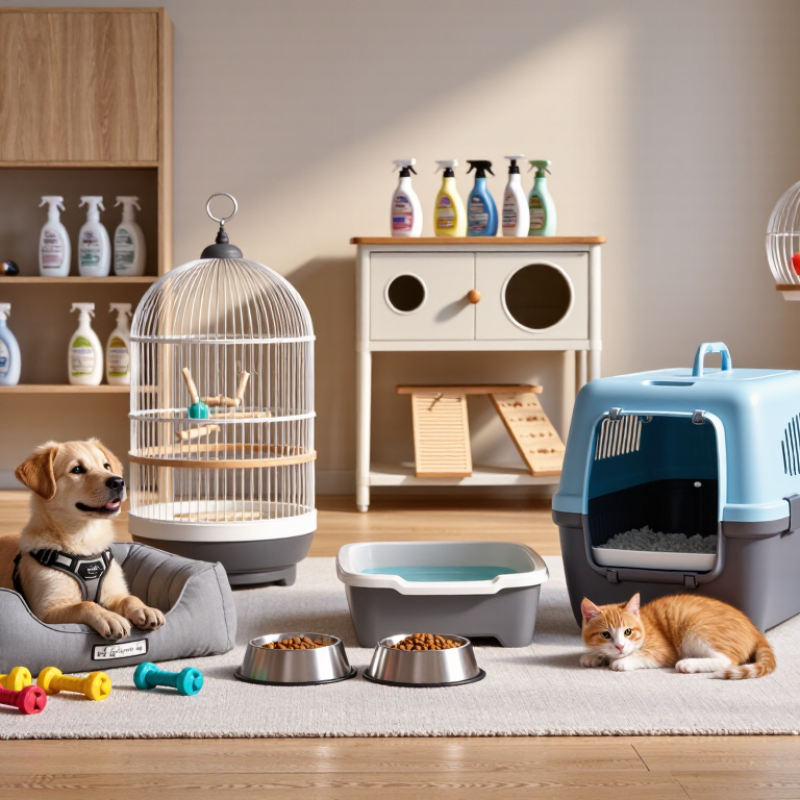
What Are the Best Supplies for New Pets?

Assessing a New Pet’s Species, Age, Size, and Daily Needs

A new pet’s species should shape the basic shopping list. The American Pet Products Association’s 2023–2024 National Pet Owners Survey estimated that 65.1 million U.S. households had dogs and 46.5 million had cats. Those different routines call for different setups: a dog may need a secure walking harness, while a cat needs a correctly sized litter tray and a sturdy scratching surface. Small mammals and birds have their own needs, including species-appropriate housing, safe flooring, and enrichment. The survey describes ownership, not ideal equipment, so treat it as context—not a shopping checklist.

Age and size matter just as much. A growing puppy may outgrow a bed or harness within months; measure the pet and check fit often. For a senior animal, low-entry bedding, non-slip mats, or easily reached food and water may help. Ask a veterinarian about diet, grooming tools, and any age-related needs before buying specialized supplies. Daily habits count, too: note where the pet sleeps, how long it is left alone, and whether it chews or scratches. Fit matters. I would resist buying a complete matching set; it is easy to get this wrong. Start with safe essentials, observe the pet for a week, then adjust.

Choosing Essential Supplies for Feeding, Rest, Hygiene, and Enrichment

For feeding, choose bowls that suit the pet’s size and eating style. Stainless steel or sturdy ceramic is easy to clean, while a nonslip base helps prevent spills. Keep fresh water available and place bowls away from litter or toileting areas. Ask a veterinarian about age-appropriate food and portions, especially during a pet’s first weeks at home. Keep it simple.

A comfortable resting spot should feel quiet and protected, with enough room for the animal to stretch and turn. Washable bedding makes accidents easier to manage. Cats may need a clean litter tray in a calm, accessible place; dogs benefit from a consistent outdoor toileting routine. Use pet-safe cleaning products and follow their directions. Small details matter.

Hygiene supplies can include a brush suited to the coat, nail trimmers, and a gentle cleaner, but not every pet needs the same routine. Enrichment matters, too. Offer safe chew toys, puzzle feeders, scratching surfaces, or climbing options according to the species and age. Rotate a few items rather than filling the floor with toys. It is easy to overbuy before learning what a new pet actually enjoys. Check toys for loose parts or damage, and supervise unfamiliar activities. A veterinarian or qualified animal-care professional can help tailor supplies to health needs.

Essential Starter Supplies for a New Cat

This practical starter checklist is for one cat: two bowls (one for food and one for water), one bed, one carrier, and three toys to rotate. Two litter boxes follow the common recommendation of one box per cat, plus one. Adjust quantities to your pet’s needs and home.

Selecting Pet-Specific Equipment and Habitat Supplies

A new pet’s supplies should fit its species, age, and adult size—not just look convenient on a shelf. Dogs need a well-fitting collar or harness, a leash, washable bedding, and separate food and water bowls. Cats benefit from a sturdy carrier, a stable scratching surface, and a litter tray with room to turn around. Small mammals need an enclosure with secure flooring, hiding places, and bedding suited to that animal; wire floors can injure sensitive feet. Details matter.

Build the habitat before bringing your pet home. Check the required temperature, humidity, ventilation, lighting, and space for its species, then choose a thermometer or other equipment to monitor conditions. For fish, prepare an appropriately sized, filtered aquarium and establish stable water conditions before adding animals. Reptile heating and lighting needs vary widely, so confirm them with an experienced exotic-animal veterinarian or a reputable care guide. A lamp that seems warm to us may still be wrong for the animal.

Choose washable, durable materials, and keep cleaning tools separate from household supplies. Avoid loose items that can be chewed or swallowed, and inspect toys, fasteners, and enclosure edges regularly. I would rather buy fewer essentials and observe what the pet actually uses than fill a habitat with guesswork. Adjustments are normal. Watch appetite, movement, and hiding behavior, and ask a veterinarian when a change persists.

Checking Supplies for Safety, Fit, Durability, and Ease of Cleaning

A new pet’s supplies should be judged by safety, fit, durability, and cleaning—not appearance alone. The American Pet Products Association’s 2025 State of the Industry report estimates U.S. pet spending reached $152 billion in 2024. That scale does not guarantee a well-made item. Check seams, edges, fasteners, and small parts before use, especially on toys and bedding. For collars and harnesses, test the fit with your pet standing and moving; a gap that seems fine at rest may rub during a walk. Fit matters. A carrier should allow comfortable movement without letting a pet slide around during transport.

Cleaning deserves equal attention. The CDC says 6 in 10 known human infectious diseases can spread from animals, and 3 in 4 emerging infectious diseases in people originate from animals. This makes washable surfaces and bowls that dry fully practical choices. Look for smooth seams and removable covers, where residue is less likely to linger. Check care instructions before washing; heat or harsh scrubbing can weaken some materials. Reinspect items after the first week, then regularly. A quick first check is not enough, and even careful shopping cannot predict every chew mark or loose stitch.

Preparing and Maintaining Supplies Before and After Bringing a Pet Home

Before bringing a pet home, match supplies to its age, size, species, and daily routine. Set up food and water bowls, a comfortable resting place, and a secure carrier before arrival. For cats, prepare a litter tray in a quiet, reachable spot. For dogs, check that a leash and well-fitted harness are ready. Small pets may need suitable bedding and enough room to move. Ask the shelter or veterinarian what food the pet currently eats; sudden changes can upset digestion. Measure spaces before buying. It is tempting to buy every cute accessory, but many pets need time to settle before their preferences are clear.

Keep essential supplies easy to reach. Store food in a dry, sealed container, and wash bowls regularly with hot, soapy water. Check collars, harnesses, carriers, and toys for loose parts or damage. Replace worn items. Not everything needs replacing at once. A simple checklist can help track food, waste bags, cleaning supplies, and any prescribed care items without overstocking.

After the pet arrives, watch how it uses each item. A bed placed beside a busy doorway may go untouched; move it to a calmer corner and observe. Clean accidents promptly with a pet-safe cleaner, following its label. Keep fresh water available, and note changes in appetite, bathroom habits, or behavior. Small details matter. If a supply seems unsuitable, adjust it gradually and ask a veterinarian when health or safety is uncertain.

FAQS

How should a pet’s species affect the first supplies I buy?

Choose items for the animal’s daily routine. Dogs may need a secure walking harness; cats need a fitted litter tray and scratching surface. Birds and small mammals need suitable housing and safe flooring.

Should I buy a complete matching set before my pet arrives?

Probably not. Start with safe essentials, then observe your pet for a week. Sleeping spots, chewing, and scratching habits can change what you actually need.

How often should I check whether supplies still fit?

Check often, especially for growing pets. A puppy may outgrow a bed or harness within months. Test harness fit while your dog stands and moves.

What supplies may help an older pet?

Low-entry bedding, non-slip mats, and food and water placed within easy reach may help. Ask a veterinarian before choosing specialized diets or grooming tools.

What should I inspect before giving my pet a toy or bed?

Check seams, edges, fasteners, and small parts. Loose stitching or a sharp edge can become a problem. Recheck items after the first week.

How can I tell if a carrier is a good fit?

Your pet should move comfortably without sliding around during transport. Check the fit with your pet inside, not just by judging the carrier’s size.

What makes pet supplies easier to keep clean?

Choose washable surfaces, removable covers, and bowls that dry fully. Smooth seams can trap less residue. Follow care instructions; heat or harsh scrubbing may weaken materials.

Is one careful inspection enough to keep supplies safe?

No. Inspect items regularly for chew marks, loose stitches, or worn fasteners. A good first check helps, but it cannot predict every problem.

Conclusion

What are the best supplies for new pets depends on the animal’s species, age, size, and everyday routine. Start with essentials for feeding, comfortable rest, hygiene, and play or enrichment, then add equipment and habitat items suited to that pet’s particular needs. A young pet, for example, may need different sizes and levels of support than a fully grown animal, while different species require distinct living spaces and activity options.

Before bringing a pet home, check that each item fits properly, is sturdy, easy to clean, and made with the pet’s safety in mind. Prepare the supplies in advance so the new arrival has a calm, ready space, and establish a routine for cleaning, inspecting, and replacing worn items. Thoughtful choices can make daily care easier and help a new pet settle in comfortably.

Liam

Liam

Liam is a dedicated marketing professional with a profound expertise in the industry, where he excels at highlighting the unique advantages of our core products. With a keen understanding of market trends and consumer needs, Liam frequently updates our company’s professional blog, providing......