As pet ownership continues to rise, understanding "what materials are safe for pet supplies" becomes crucial for pet owners. According to a report from the American Pet Products Association (APPA), pet industry spending reached a staggering $109.6 billion in 2021, emphasizing the need for quality and safety in pet products. Experts, like Dr. Jane Goodwin, a leading veterinarian in animal safety, state, “Choosing the right materials can protect your pet's health.”
This statement underscores the importance of selecting non-toxic, durable, and environmentally-friendly materials for pet supplies. Common materials, such as certain plastics, can leach harmful chemicals. On the contrary, natural fibers like cotton and hemp provide safer alternatives. Many consumers still face confusion regarding which products are genuinely safe, highlighting the need for clear and transparent information in the market.
In a study conducted by the Pet Care Industry Association, 40% of pet owners expressed concern about pet product safety. These figures reveal a significant gap in awareness and education about safe materials. As we delve into the best materials available for pet supplies in 2026, it’s essential to reflect on how informed choices can lead to healthier pets and responsible ownership.
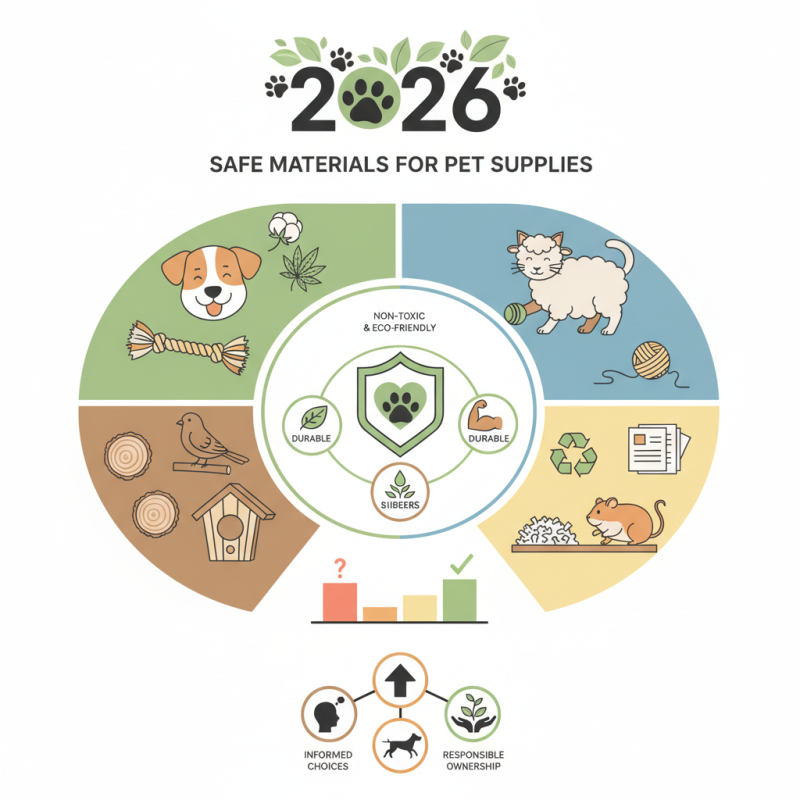
When it comes to pet supplies, the safety of materials should always be a priority. Many pet owners may overlook this aspect, but choosing products made from safe materials is crucial for your pet's well-being. Pets often chew on toys and bedding, which can lead to ingesting harmful substances. It's essential to be cautious about the materials used in these products.
Natural and non-toxic options are becoming increasingly popular. Biodegradable toys and organic bedding are not just environmentally friendly; they also pose fewer risks to pets. These materials are often free from harmful chemicals found in traditional products. However, even well-intentioned choices can have hidden dangers. Always research thoroughly before selecting products, as safety regulations can vary.
Consider the sourcing and production of these materials. Transparency in the supply chain is vital for ensuring safety. Some manufacturers may claim their products are safe, yet lack proper certifications. Reflecting on the choices available can help pet owners make informed decisions. Regularly evaluate the items you have at home. It's easy to accumulate products that may not meet safety standards. Prioritizing safe materials will ensure a happier and healthier life for your furry friends.
| Material Type | Safety Rating | Common Uses | Biodegradable |
|---|---|---|---|
| Bamboo | High | Pet toys, feeding bowls | Yes |
| Natural Rubber | Moderate | Chew toys, collars | Yes |
| Organic Cotton | High | Bedding, clothing | Yes |
| Recycled Plastic | Moderate | Toys, bowls | No |
| Stainless Steel | High | Feeding bowls, water dishes | No |
: Safe materials are crucial for pets' well-being. Harmful substances can be ingested through toys or bedding.
Look for natural, non-toxic materials. Biodegradable options reduce risks while protecting the environment.
Not necessarily. Some natural materials may also be processed with harmful chemicals. Always check for certifications.
Avoid PVC and BPA. These can cause serious health issues, including respiratory problems and hormonal disruptions.
Research materials and sourcing practices. Transparency in supply chains is vital for confirming product safety.
Natural cotton, linen, and food-grade silicone are safe options. They minimize irritation and are durable.
Yes, synthetic dyes can cause allergic reactions. Opt for products with natural colors to reduce these risks.
Regular evaluation is key. Products can accumulate that may not meet current safety standards.
Many believe labeled "safe" products are always safe. Research and certifications are essential for true safety.
Bamboo and untreated wood are good choices. Treated wood can release harmful chemicals, so avoid those.
When considering pet supplies, it's crucial to prioritize the safety of the materials used. Understanding "what materials are safe for pet supplies" is essential for pet owners to ensure their furry friends are protected from harmful substances. Common unsafe materials often include certain plastics and chemicals that can pose risks to pets' health.
To safeguard your pets, it’s recommended to choose materials that are non-toxic and durable, such as natural rubber, stainless steel, and organic fabrics. Identifying safe versus unsafe materials involves being aware of certifications and safety standards that verify the quality of pet products. By educating themselves on these aspects, pet owners can make informed decisions and create a safe environment for their beloved animals.

 Colourful Pet