Choosing the right pet food scoop can make a notable difference in a pet owner’s daily routine. A study by the American Pet Products Association indicates that over 67% of households own a pet. With the rise of pet ownership, the market for pet supplies, including food scoops, is expanding rapidly. Reliable pet food scoops can help owners measure portions accurately and maintain freshness in their pets' diets.
Many pet owners overlook the importance of quality tools. An inadequate scoop can lead to overfeeding or waste. The Pet Food Manufacturers Association reports that 60% of pets in the U.S. are overweight or obese, emphasizing the need for precise measuring tools. Investing in a suitable pet food scoop not only supports pet health but also simplifies feeding routines.
Pet food scoops come in various sizes and shapes, catering to different pet needs. While some scoops offer ergonomic designs for ease of use, others boast features like integrated measuring systems. Reflecting on these options can ensure that pet owners choose a scoop that truly fits their lifestyle and their pets' dietary requirements.
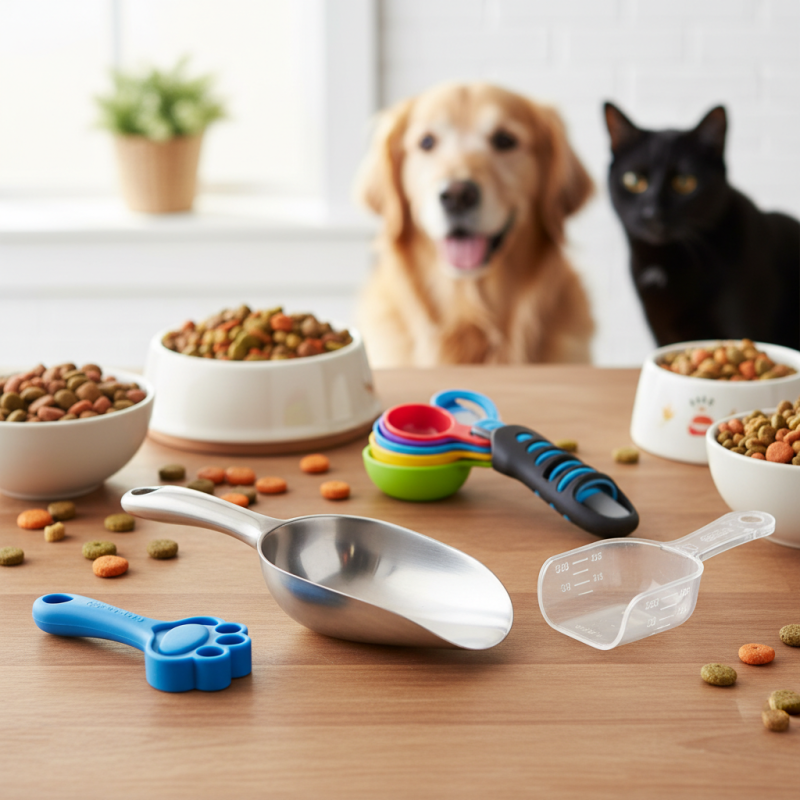
Understanding pet food scoops is key for every pet owner. These tools may seem simple, but their function extends beyond just scooping. A good food scoop helps measure accurate portions and prevents overfeeding. This is essential for maintaining a healthy weight in pets.
Many pet owners often overlook the significance of the scoop's design. Some scoops are deep, while others are shallow. Choosing a scoop that fits well into your pet's food container saves time and effort. It also reduces the mess during feeding. Despite this, many scoops are not easy to clean. This can be a big oversight. Regular cleaning is crucial to prevent bacteria buildup.
Using a scoop may seem straightforward, but not everyone pays attention to details. The material of the scoop matters too; plastic can absorb odors and stains. Metal scoops might last longer but can scratch easily. Reflecting on your choice can lead to better feeding practices. A simple tool can make a difference in both nutrition and hygiene for your pet.
When selecting a pet food scoop, consider the material and design as they can greatly affect functionality. Plastic scoops are common due to their lightweight nature. They are often easy to clean but may wear down over time. Metal scoops, while heavier, offer durability and a more hygienic option. Some pet owners appreciate their sturdiness, especially for larger bags of pet food.
Design is another key factor. Some scoops feature long handles that help reach deep into bags. Others come with measurement markings on the side, which take the guesswork out of portion control. This can lead to better weight management for pets. However, some designs may lack grip or aren’t as user-friendly as they seem. It’s essential to find a scoop that feels comfortable to use.
In practice, the ideal scoop depends on individual preferences. Some owners may prefer the simplicity of a basic design, while others might seek multifunctional tools. Exploring various options and features can be an enlightening process. Investing time to find the right scoop can make feeding more efficient and enjoyable, enhancing the overall pet care experience.
| Scoop Type | Material | Capacity (Cups) | Design Features | Best For |
|---|---|---|---|---|
| Plastic Scoop | Plastic | 2 | Lightweight, Colorful | Small Dogs and Cats |
| Stainless Steel Scoop | Stainless Steel | 4 | Durable, Easy to Clean | All Pets |
| Wooden Scoop | Wood | 3 | Eco-Friendly, Rustic Design | Natural Preferences |
| Silicone Scoop | Silicone | 2.5 | Flexible, Non-Stick | Small to Medium Pets |
| Measuring Cup Scoop | Plastic | 1 | Precise Measurements | Diet-Controlled Pets |
When selecting a pet food scoop, several crucial factors should guide your decision. The primary consideration is the scoop's size. A one-cup scoop may be sufficient for small pets, while larger breeds require scoops that hold more food. According to the American Pet Products Association, nearly 67% of U.S. households own pets, and portion control is vital for maintaining their health. An accurate scoop can help avoid overfeeding, which is linked to obesity in pets.
Material is another important factor. Many scoops are made of plastic, which can wear over time. A study by the Veterinary Journal highlighted that plastic may harbor bacteria, posing health risks. Stainless steel scoops are durable and easier to clean. However, they might be heavier, which could be a drawback for some. Consider your comfort when handling the scoop, especially if you feed multiple pets daily.
Ergonomics play a significant role too. A comfortable grip can make feeding easier, reducing strain during repeated use. Look for scoops with contoured designs. They not only enhance your experience but also prevent spills, keeping your pet's feeding area tidy. Remember, what works for one owner may not suit another, so reflecting on your specific needs is essential when choosing the right scoop.
Choosing the right pet food scoop can make a significant difference in your feeding routine. Pet size is a key factor in this choice. For small dogs and cats, a scoop with a 1-cup capacity works well. This size is manageable for portion control. It helps ensure pets do not overeat, promoting a healthier diet. According to the American Pet Products Association, over 50% of pets are overweight, highlighting the need for portion management.
Medium to large breed pets often require a scoop with a 2 to 3-cup capacity. This allows for accurate and efficient feeding. However, larger scoops can sometimes lead to overfeeding if users are not careful. Data from veterinary studies suggests that pet owners often underestimate portion sizes, leading to potential health issues.
Some pet owners may overlook the importance of materials used in scoops. A durable plastic or stainless steel option is preferable. These materials are easier to clean and maintain hygiene. A study in the Journal of Animal Science emphasizes that cleanliness in feeding tools is crucial for preventing diseases. The right scoop can save you effort and time, although there’s room for many pet owners to reconsider their current choices.
Maintaining your pet food scoop is crucial for keeping your pet's meals hygienic. Regular cleaning helps prevent cross-contamination. According to the American Kennel Club, about 63% of pet owners neglect proper cleaning of feeding tools. This can lead to health issues for pets. Simple care methods can enhance the life of your scoop while ensuring your pet’s safety.
Wash your scoop after every use. Hot, soapy water is ideal. A disinfectant solution can further reduce bacteria. The Centers for Disease Control and Prevention suggest that surfaces contacting food should be cleaned thoroughly. Pay attention to crevices. They can harbor old food particles and germs. Dry the scoop properly, as moisture can promote mold growth.
Inspect your scoop regularly for wear or cracks. A damaged scoop may collect bacteria despite cleaning efforts. Replace it if needed. Pet food advice often mentions choosing materials that are non-porous. This characteristic aids in better cleaning and maintenance. However, even the best materials require care. Over time, scrapes can accumulate, making cleaning more difficult. Regular checks and appropriate maintenance are essential to keep your pet’s feeding routine healthy.
: Plastic and stainless steel are common. Plastic is lightweight but may wear out. Stainless steel is durable and hygienic.
A scoop with a long handle can reach deep bags. Some scoops have measurement markings for better portion control.
A one-cup scoop is often sufficient for small dogs and cats. It aids in portion control and healthy eating habits.
Overfeeding can lead to obesity. Accurate scoops help manage portions effectively, promoting pet health.
A comfortable grip reduces strain during repeated use. Contoured designs prevent spills and make feeding easier.
Yes, plastic may harbor bacteria over time. Stainless steel is easier to clean and more hygienic for feeding.
Larger scoops can lead to overfeeding if users aren’t careful. Many owners underestimate portion sizes, which can harm pets.
Regularly reconsidering your scoop choice ensures it meets your feeding needs. Your preferences may change over time.
Many overlook the importance of materials and ergonomics. These factors significantly impact feeding efficiency and hygiene.
Invest time in selecting the right scoop. The right choice makes feeding more efficient and enjoyable for both you and your pet.
Choosing the right Pet Food Scoop is essential for every pet owner, as it plays a crucial role in accurately measuring and serving food. Understanding the functionality of various pet food scoops, including their materials and designs, helps pet owners select the best option for their furry companions. Key factors to consider include the scoop's capacity, ease of cleaning, and ergonomic design.
Different types of pet food scoops are available to accommodate pets of various sizes, ensuring that both small and large breeds are properly fed. Additionally, maintaining and caring for your Pet Food Scoop extends its lifespan and ensures hygiene. By following some simple maintenance tips, pet owners can keep their scoops in great condition, promoting a healthy feeding routine for their pets.

Colourful Pet